


Conservation group outlines development vision after paddling with the Litunga at Kufuluhela 2026
MONGU — African Rivers, an international non-profit working on the conservation and sustainable management of Africa’s river systems, has set out a development agenda for Barotseland that pairs cultural preservation with infrastructure, digital and renewable energy investment, following its participation in the 2026 Kufuluhela Ceremony.
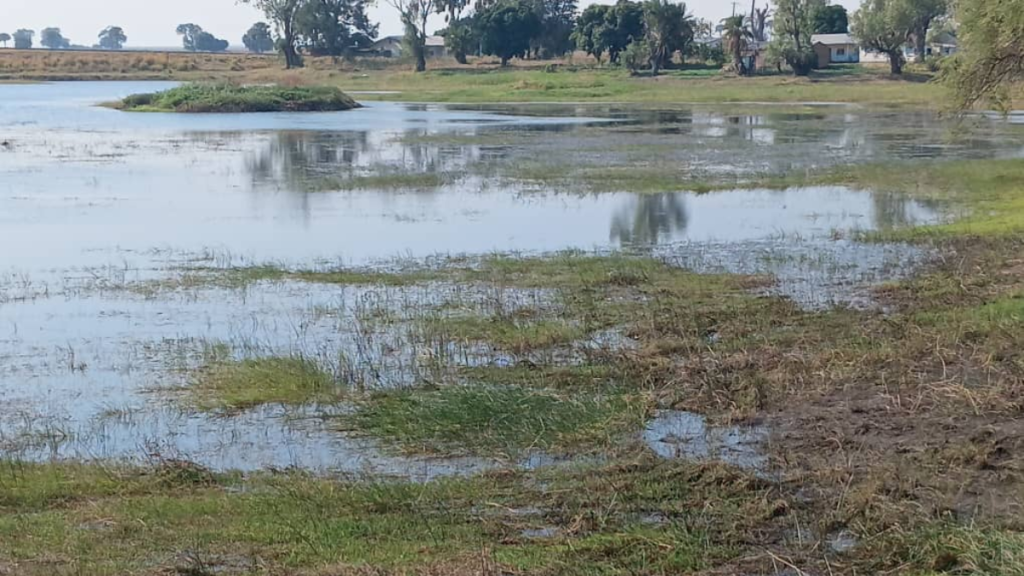
The organisation took part as paddlers and invited guests at the ceremony held on 23 July 2026, and used the occasion to assess the state of the Barotse Floodplains and the Zambezi River, along with the livelihoods of the communities that depend on them.
The delegation was led by Dr Kelvin Kamayoyo, Technical Advisor for African Rivers and the Acacia Trade and Development Consulting Group, accompanied by investment and artificial intelligence specialists.
A ceremony read as an economic signal
Kufuluhela marks the Litunga’s return journey from Limulunga to Lealui once the floodwaters recede, closing the cycle that opens each year with the Kuomboka migration.
African Rivers framed the event as more than a cultural occasion, describing it as <q>memory made visible</q> and the heartbeat of a people who have kept a covenant with land, water and culture across generations.
Accompanying His Majesty the Litunga along the royal canal, the organisation said, was a practical as well as symbolic reminder of the value of unity, environmental stewardship and heritage preservation. It thanked the Barotse Royal Establishment (BRE) for the invitation and restated its commitment to initiatives that link conservation with socio-economic development.
Movable bridges on the Mongu–Kalabo Road
The most concrete proposal to emerge from the visit concerns the Mongu–Kalabo Road, where African Rivers is recommending a redesign incorporating bascule (drawbridge) or vertical lift spans.
Dr Kamayoyo argues that movable bridge technology would allow the Nalikwanda royal barge to pass without obstruction while keeping the road open to traffic year-round.
According to the proposal, such a design would:
- Preserve the cultural integrity of the Kuomboka and Kufuluhela ceremonies
- Improve safety for traditional processions
- Enhance navigation along the royal canal
- Maintain reliable transport links for road users
The organisation’s underlying contention is that modern engineering and cultural preservation are not competing claims on the same corridor, and that a single crossing can serve both.
Restoring the Mwayowamo Canal
African Rivers is also calling for the rehabilitation of the Mwayowamo Canal, which it identifies as the principal route used during both the Kuomboka and Kufuluhela ceremonies.
Restoration, the organisation says, would:
- Improve navigation for the Nalikwanda
- Protect a significant element of Lozi cultural heritage
- Support flood management across the Barotse Floodplains
- Strengthen wider environmental conservation efforts
A regional data centre for Barotseland
Beyond conservation, Dr Kamayoyo proposed attracting investment into a regional data centre sited in Barotseland and serving the wider Southern African Development Community (SADC) market.
The proposal envisages a facility that would improve digital connectivity, support artificial intelligence applications, strengthen climate resilience planning, create employment for young people and stimulate innovation and enterprise growth.
African Rivers argues the case is complementary rather than parallel: better digital infrastructure would sharpen environmental monitoring and enable data-driven planning across the floodplain.
Renewable energy and eco-tourism
The organisation identified renewable energy and eco-tourism as the two sectors with the clearest potential to reshape the Barotse economy without eroding its ecosystems. Responsible investment in both, it said, could generate durable employment, diversify the regional economy and reinforce conservation outcomes.
Unity and stewardship
Reflecting on the ceremony, African Rivers noted that the annual journey stands for resilience, cooperation and shared responsibility, observing that the waters that test the region are also the waters that sustain it.
The lessons of Kufuluhela, it added, extend beyond tradition and offer a template for future investment in education, infrastructure, conservation, health and economic development.
African Rivers closed by restating its readiness to work with the Barotse Royal Establishment and other stakeholders on initiatives that balance cultural preservation with sustainable growth — a partnership model it expects to matter more as Barotseland contends with climate change, infrastructure deficits and the need for economic diversification.
Editor’s Note: This article is based on a press release issued by African Rivers on 25 July 2026. The views, proposals and recommendations expressed are those of the organisation and its representatives, and have not been independently verified by The Zambian Economist.