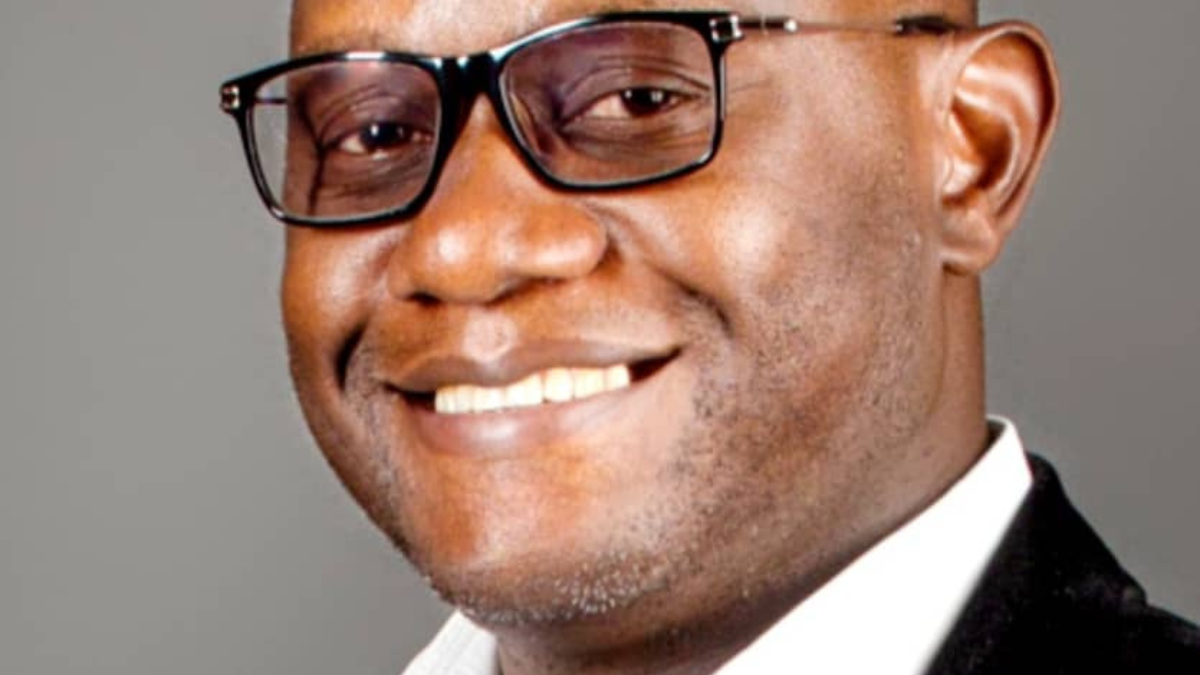
By Dr Wilson Silungwe

Political polarization has become one of the most significant challenges facing Zambia's media sector. As the country's democratic space continues to evolve, media institutions increasingly find themselves perceived as sympathetic to particular political parties or ideological positions. Rather than being viewed as neutral platforms for informing the public, many media outlets are often categorized as either pro-government or pro-opposition. This perception has profound implications for journalistic credibility, public trust, and the overall health of Zambia's democracy.

Historically, the Zambian media landscape has comprised both state-owned and privately owned media organizations. State-owned media have traditionally been accused of giving greater prominence to government activities and policies, while some privately owned media outlets have been perceived as providing more favorable coverage to opposition political parties. Although these perceptions may not always reflect the actual editorial policies of individual media organizations, they have contributed to widespread public skepticism regarding the objectivity of news reporting.

The growth of political polarization has been further amplified by the rapid expansion of digital media and social networking platforms. Today, news consumers have access to numerous online news outlets, blogs, podcasts, and social media pages, many of which openly promote partisan viewpoints. Algorithms employed by social media platforms often reinforce users' existing political beliefs by presenting content that aligns with their preferences. Consequently, audiences become increasingly isolated within ideological "echo chambers," reducing opportunities for exposure to diverse perspectives.

One of the most serious consequences of political polarization is the erosion of public trust in journalism. Citizens who perceive media organizations as politically biased are less likely to believe the information presented, regardless of its factual accuracy. This declining confidence weakens the media's traditional role as a trusted watchdog over government, business, and society. In extreme cases, audiences dismiss legitimate investigative reports simply because they originate from media outlets perceived to support opposing political interests.
Political polarization also undermines the principle of balanced reporting, which lies at the heart of professional journalism. Ethical journalism requires reporters to present multiple viewpoints, verify information rigorously, and distinguish facts from opinion. However, in highly polarized environments, journalists may experience pressure from media owners, advertisers, political actors, or audiences to frame stories in ways that support particular narratives. Such pressures can result in selective reporting, sensational headlines, omission of important facts, or disproportionate coverage of political events.

The commercialization of the media has further complicated the situation. Media organizations operate in an increasingly competitive environment where audience numbers, online engagement, and advertising revenue determine financial sustainability. Political content often generates significant public attention, encouraging some media houses to publish provocative or sensational stories that reinforce political divisions rather than promote informed public debate. In some cases, economic pressures may influence editorial decisions, thereby compromising journalistic independence.

The effects of media polarization extend beyond journalism itself to the broader democratic process. During election periods, citizens depend on the media to provide accurate, balanced, and timely information about political parties, candidates, and public policies. When media organizations are perceived as partisan, voters may struggle to make informed decisions based on objective information. Polarized reporting may also contribute to political intolerance, deepen societal divisions, and increase the spread of misinformation and disinformation across digital platforms.

Addressing political polarization requires a collective commitment from journalists, media owners, regulators, civil society organizations, educational institutions, and political leaders. News organizations should strengthen editorial independence by adopting transparent editorial policies and enforcing professional codes of ethics. Continuous professional development in areas such as fact-checking, conflict-sensitive reporting, and digital verification can enhance journalists' ability to report accurately and fairly, even in politically charged environments.

Media literacy among citizens is equally important. An informed public that understands how news is produced, verifies information from multiple credible sources, and recognizes misinformation is less vulnerable to manipulation. Universities and journalism training institutions should incorporate media literacy, digital journalism, ethics, and critical thinking into their curricula to prepare future journalists for an increasingly complex information environment.

Ultimately, the long-term credibility and sustainability of Zambia's media sector depend on its ability to uphold the principles of independence, fairness, accuracy, and accountability. While political diversity of opinion is an essential feature of democratic societies, journalism should strive to serve the public interest rather than partisan interests. By rebuilding public trust through ethical reporting and balanced coverage, Zambia's media can continue to fulfil its constitutional role as the fourth estate, fostering transparency, accountability, informed citizenship, and democratic governance.

• The author is a Communication Lecturer at University of Lusaka
Related coverage: State House Concerned Over Derogatory Language During Campaigns and The Ideology of a Zambian.