

Banking & Finance
What Decides Where the Kwacha Closes Each Day?
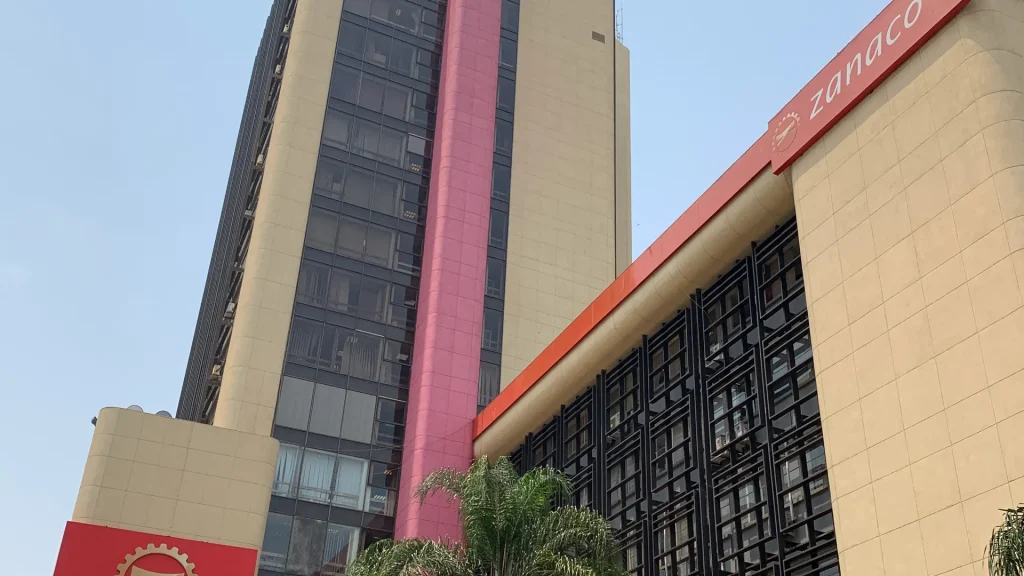
The kwacha’s closing rate is set by banks trading dollars with one another, not by the Bank of Zambia. Lubinda Sinyani explains who brings dollars in, who takes…
Your Brand. Our Platform. Maximum Impact.
Financial markets, banking, insurance, taxation, investment, fintech, and economic reforms.
The kwacha’s closing rate is set by banks trading dollars with one another, not by the Bank of Zambia. Lubinda Sinyani explains who brings dollars in, who takes…

EAZ calls for clear tax rules, predictable administration and measurable reforms at the HLB Tax Indaba, linking revenue mobilisation with business confidence.

The Economics Association of Zambia has welcomed the IMF Extended Credit Facility staff-level agreement as zero-interest concessional finance, and wants it to free up domestic credit for businesses.

The kwacha has weakened from K17.87 per dollar in June to about K19.9 despite copper near US$14,000 a tonne. Kelvin Chisanga on the fuel bill, the policy rate…

EAZ President Dr Edna Kabala-Litana met FNB Zambia's economics team to seek support for November's Post-Budget Analysis Dinner and propose an MoU on research, financial literacy and inclusion.
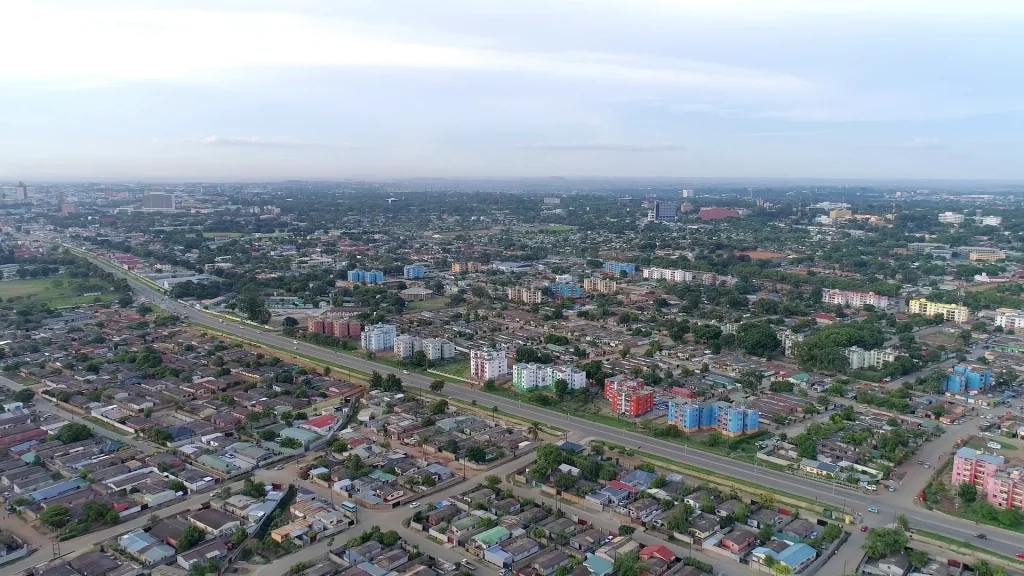
Zambia's new 20-year Government bond extends the yield curve and gives pension funds a long-term asset. Kelvin Chisanga on what the first auction must reveal.

A bond buyback most Zambians never heard about is reshaping how banks read the country's finances, and it says as much about copper as it does about debt.
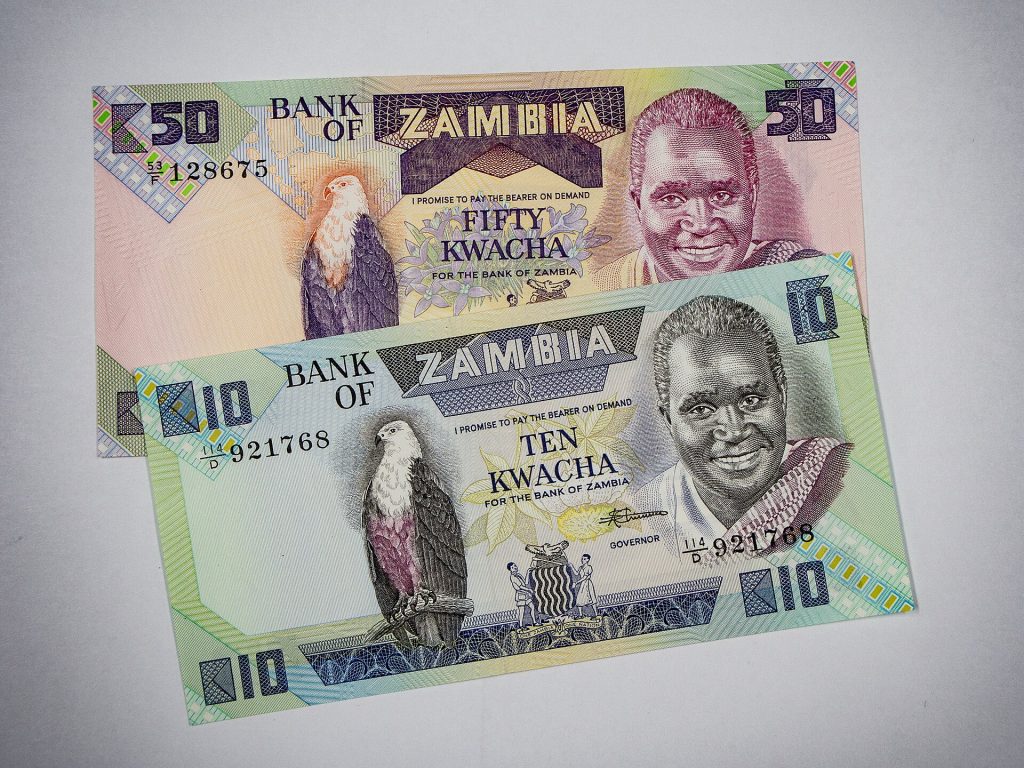
First-quarter grant receipts came in 67 percent below target. Kelvin Chisanga argues the answer is not more grants but an economy that finances itself through production, exports and…