

A bond buyback most Zambians never heard about is reshaping how banks read the country’s finances, and it says as much about copper as it does about debt.
When ABSA Bank Zambia’s Managing Director, Mizinga Melu, sat down with Finance and National Planning Minister Situmbeko Musokotwane in Lusaka this week, she did not lead with growth forecasts. She led with a debt transaction most Zambians never noticed.
In the second quarter of this year, government repurchased close to $1.36 billion in Fixed Rate Step-Up Amortizing Notes due in 2053, nearly three decades before they were due to mature. The buyback was financed with $600 million from the African Development Bank alongside government’s own resources.
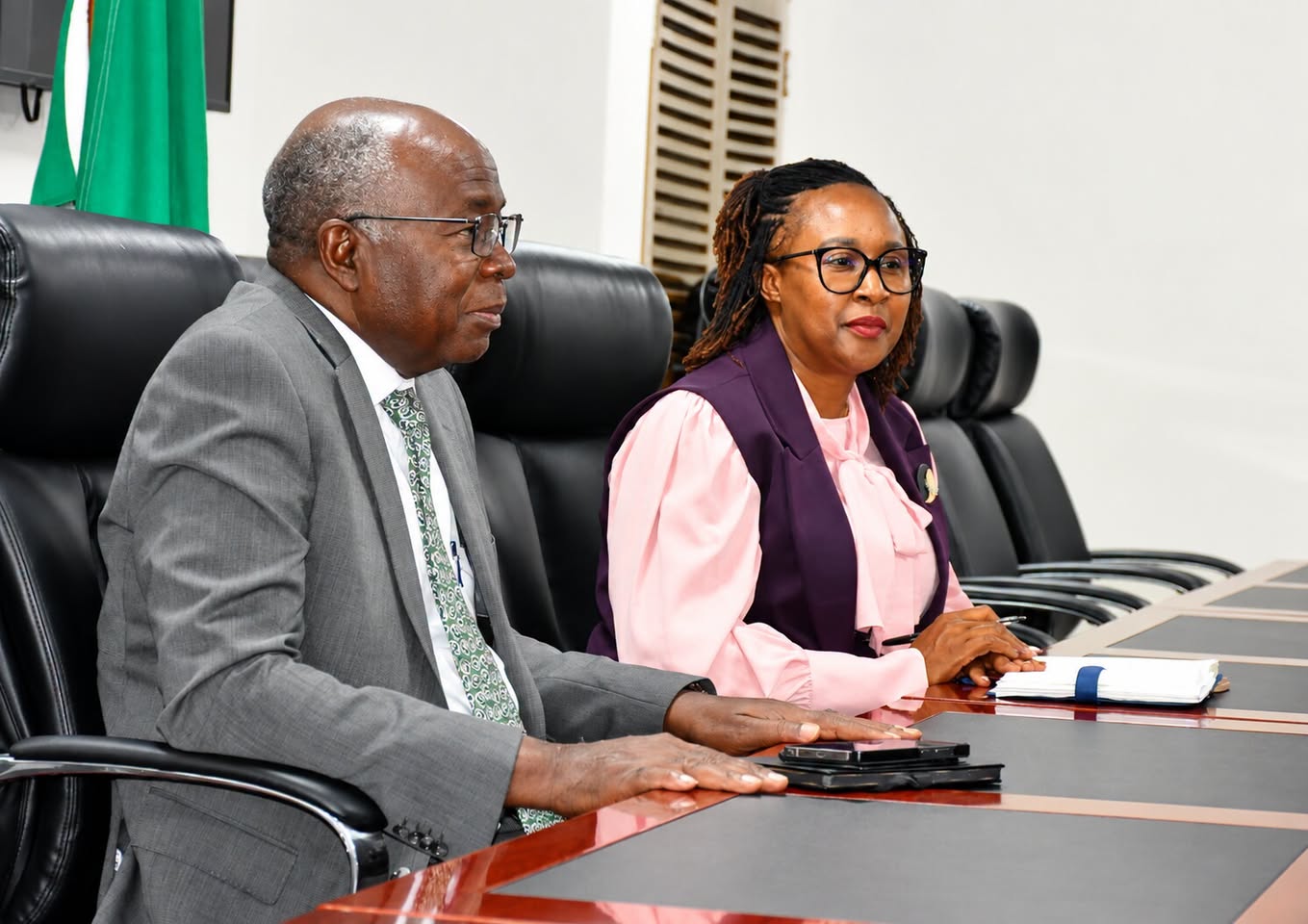
“I think that was unprecedented. People did not see that coming,” Melu told the Minister, describing the move as the kind of financial innovation the market is now watching for from Zambia.
Paying off long-dated debt early reduces the interest a government pays over the life of that debt and removes a future liability from the books before it grows. For a country that spent the past several years restructuring debt with creditors, retiring bonds voluntarily and ahead of schedule is a different kind of signal, one of capacity rather than distress. Government has described the transaction as marking a shift from debt restructuring to what it calls proactive debt management.
Musokotwane, responding to Melu’s remarks, said positive sentiment from institutions such as ABSA needs to be converted into “increased capital facilitation transactions, investment, production, exports and jobs,” and that government would maintain policy stability and fiscal discipline to give investors more certainty over their capital.
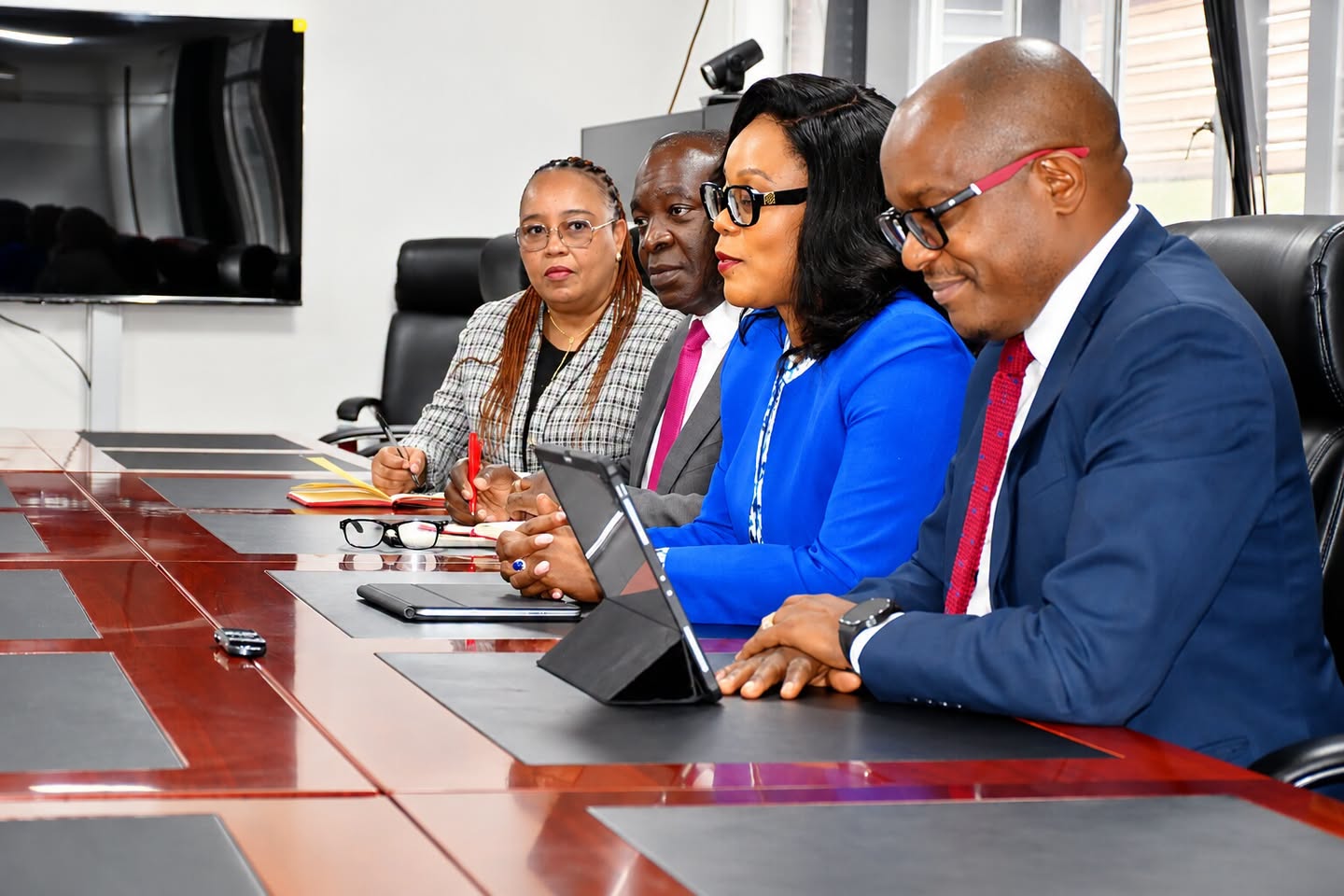
The debt story sits alongside a production story. Melu pointed to copper, where government has set a target of three million tonnes of annual production. That target drew scepticism when it was first announced. She said expectations of reaching about one million tonnes this cycle now look achievable, a milestone she called an important step toward the longer-term goal.
None of this changes a household’s budget overnight. But debt service already competes with health, education and infrastructure spending in the national budget every year. A lighter long-term interest bill, if government keeps to the discipline it has signalled, is one of the few economic developments that widens room for that spending without new taxes or new borrowing.
Melu’s comments describe sentiment among ABSA’s own corporate customers, not an independent measure of business confidence, and the copper milestone she referenced remains a projection rather than a confirmed production figure. Both will be tested in the numbers government and mining companies report in the coming quarters.
ABSA used the meeting to also highlight its community investments, including the ABSA Marathon, now in its eighth year and grown from under 1,000 participants to more than 11,500 registered runners.