Zambia plans to preserve recent macroeconomic gains while redirecting economic policy toward investment, production and exports, as government seeks to turn stabilisation into faster job creation and higher household incomes.
By The Zambian Economist Analyst
KEY TAKEAWAYS
- Government intends to hold inflation, reserves and debt discipline in place while shifting policy weight toward production and exports, built around the 10-10-5-3-3-1-1-1 targets President Hakainde Hichilema announced for the Grow Zambia Agenda.
- Annual inflation eased to 6.2% in August 2026, from 24.4% in August 2021, giving the Treasury room to argue that stability now needs to show up in jobs and household incomes.
- Revenue policy leans on widening a tax compliance rate of about 58% at the end of 2025, rather than raising rates; the Zambia Revenue Authority’s Extended Voluntary Disclosure Scheme, running from 18 September to 31 December 2026, waives all penalties and interest on settled principal tax.
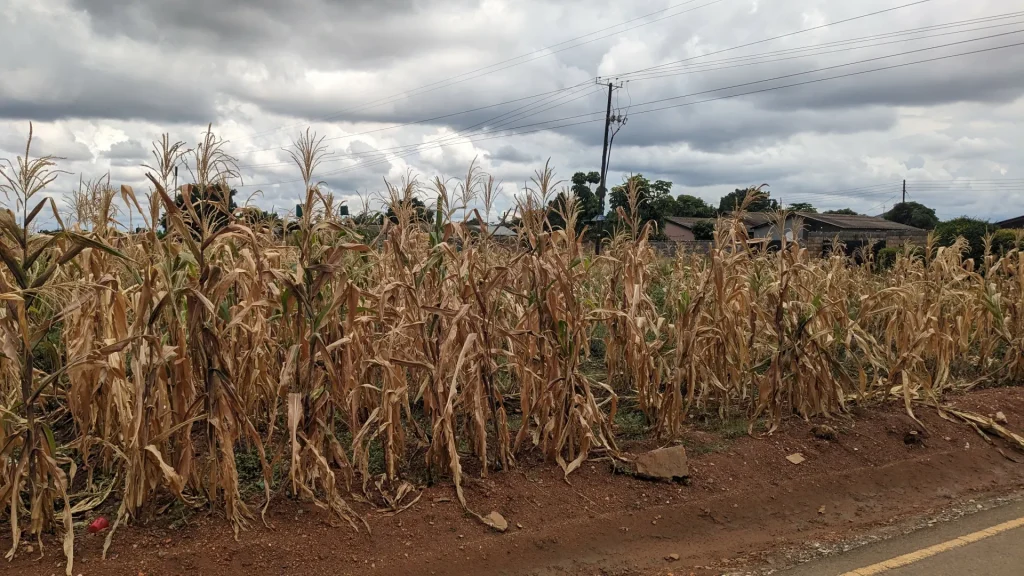
- Agriculture is positioned as the fastest source of new jobs and income, soybeans in three to four months and sugar in about a year, with input reforms already removing roughly 250,000 fake beneficiaries from a 1.21 million-strong farming subsidy list.
- About 300,000 to 400,000 young Zambians enter the labour market every year, a scale Dr Musokotwane says makes commercial forestry, agro-processing and private capital necessary alongside government spending, not optional extras.
A foundation the Treasury does not want to lose
Finance and National Planning Minister Dr Situmbeko Musokotwane used a ZNBC Sunday Interview on 20 September to lay out how government plans to convert five years of macroeconomic repair into faster job creation. Stability remains the base of the Grow Zambia Agenda, he said, and the Treasury intends to keep inflation well clear of the 15% to 20% range Zambia lived with earlier in the decade, hold foreign reserves above three months of import cover, manage public debt prudently and protect investor confidence built up since 2021.
The numbers give that claim some weight. The Zambia Statistics Agency put annual inflation at 6.2% in August 2026, down from 24.4% in August 2021. “Our job now is to produce, produce, produce and export, export and export,” Dr Musokotwane said, framing lower inflation as the platform for a new phase rather than the destination itself.
Ten numbers behind the strategy
The production push is organised around the 10-10-5-3-3-1-1-1 framework President Hakainde Hichilema set out for the Grow Zambia Agenda: 10 million tonnes of maize, 10,000 megawatts of electricity capacity, 5 million tourist arrivals a year, 3 million tonnes each of copper and soybeans, 1 million tonnes each of wheat and sugar, and at least US$1 billion in annual beef exports. Hitting those targets means coordinating land, electricity, roads, irrigation, financing, skills, investment approvals and export corridors around specific projects, Dr Musokotwane said, rather than treating them as separate policy tracks.
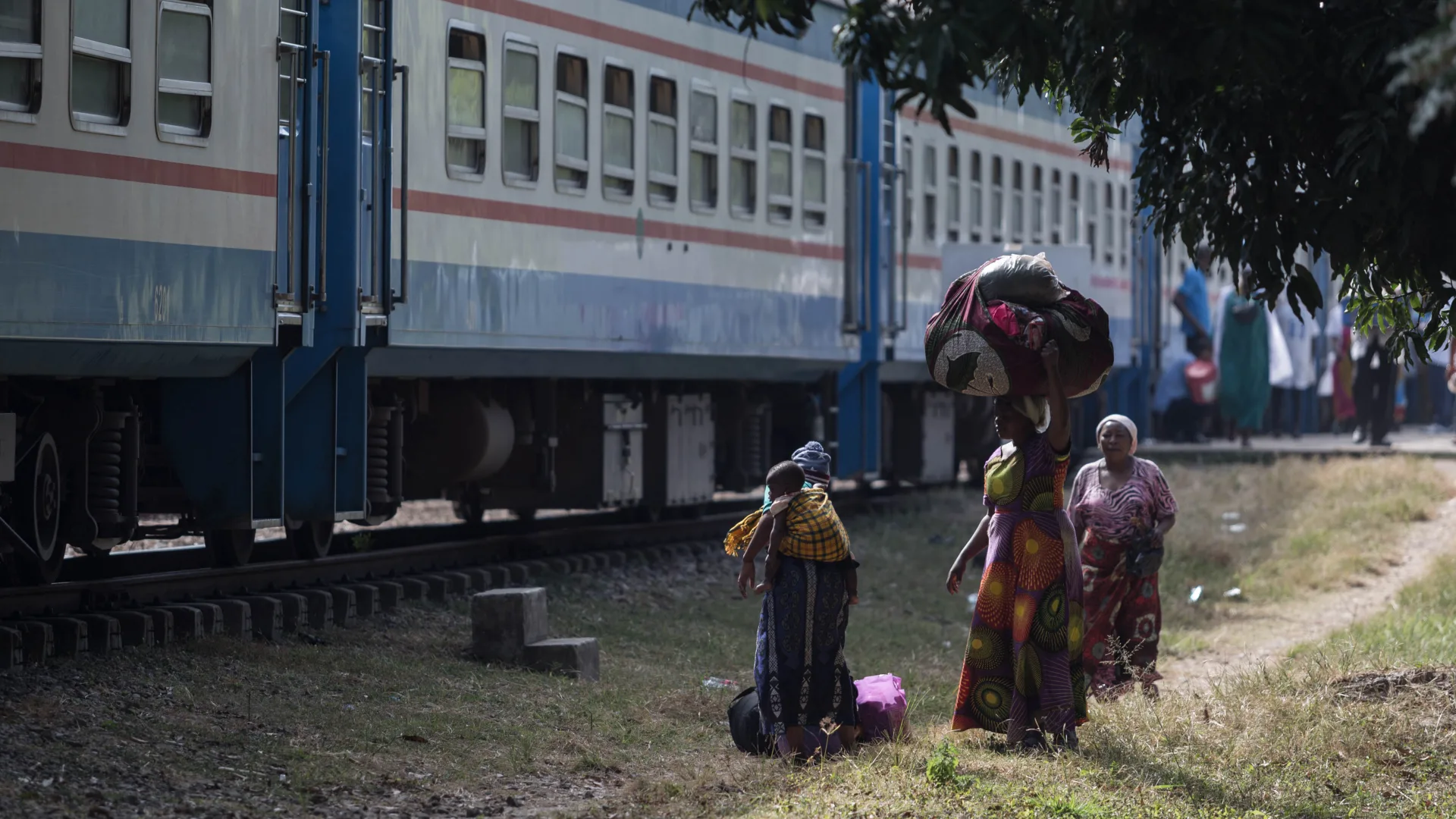
He pointed to two pieces of infrastructure carrying the weight of that plan: rehabilitation of the TAZARA line and development of the Lobito Corridor, both intended to move substantially larger volumes of agricultural and mineral exports than Zambia’s current road and rail network can manage.
Private capital asked to do more
Government wants public-private partnerships, domestic capital markets and stronger domestic resource mobilisation to carry more of the financing load, freeing scarce public money for projects that cut business costs and lift productivity. Dr Musokotwane said Zambia’s own savings cannot finance the scale of expansion the plan envisages across mining, agriculture, forestry, manufacturing, tourism, energy and transport, which keeps foreign direct investment central to the strategy. He also wants Zambian pension funds, businesses, cooperatives, farmers and individual investors drawn in as participants, not just observers.
Delivery is meant to be tracked more closely than in the past: major projects will sit in a database reviewed monthly, an attempt to stop approvals from stalling for three, four or six months at a time.
Agriculture’s fastest wins
Agriculture is expected to deliver some of the quickest gains in jobs and income. Soybeans can be harvested in three to four months, Dr Musokotwane said, while sugar moves from planting to harvest in roughly a year, both faster paybacks than most of the other targets in the framework. Government also wants existing farms producing more from the same inputs: he cited an objective of lifting maize output from around 50 bags to 100 or 150 bags using the same four bags of fertiliser, through better farming practice rather than more land or more subsidy.
Cleaning up who actually receives that subsidy has already changed the numbers once. Reforms to input distribution removed about 250,000 fake farmers from a list of 1.21 million beneficiaries, Dr Musokotwane said, a correction that should make the existing farmer input support programme go further for the people it was designed for.
Widening the net instead of raising the rate
On revenue, the emphasis is on compliance rather than new or higher taxes on businesses already paying them. Zambia’s tax compliance rate stood at about 58% at the end of 2025, and digitalisation, registration and enforcement are meant to close that gap rather than push rates up on the taxpayers already inside the net.
The Zambia Revenue Authority’s Extended Voluntary Disclosure Scheme, launched on 18 September, offers a full waiver of penalties and interest where taxpayers settle principal liabilities between 17 September and 31 December 2026, a narrow window built to pull hesitant taxpayers into compliance before enforcement tightens.
The jobs math behind the plan
Roughly 300,000 to 400,000 young Zambians enter the labour market each year, a figure that sets the real scale of the employment challenge behind the growth targets. Sustained private investment has to absorb both those new entrants and the existing backlog of unemployed young people, which is why Dr Musokotwane keeps returning to scale rather than individual projects.
Commercial forestry is one sector he thinks Zambia has barely used. He pointed to South Africa, where close to 1 million hectares of commercial forest plantation supports an estimated 300,000 to 400,000 jobs across planting, harvesting, processing and related industries such as timber, particle board, veneer, pulp and paper. That model, he argued, differs fundamentally from relying indefinitely on naturally occurring timber species such as Mukula, which could be depleted within five to ten years without a sustainable replacement in place. The broader aim is to push Zambia’s export base beyond copper into agriculture, forestry, tourism and manufacturing, so that a single commodity price no longer sets the pace for the whole economy.
Where the growth is supposed to land
Dr Musokotwane was direct about how the Grow Zambia Agenda will be judged: whether growth shows up as higher incomes, more jobs, stronger businesses, better electricity supply, improved markets for farmers and stronger public revenue for education, health, infrastructure and the Constituency Development Fund. Higher exports, he said, bring in more foreign exchange, raise business activity, support jobs and suppliers, and strengthen Treasury revenue in turn.
Over the next five years, government expects agriculture, mining, tourism, energy and manufacturing to expand production, employment and incomes together rather than in sequence. “Our objective is a Zambia that produces more and earns more money,” Dr Musokotwane said, adding that the gains of the past five years now need to scale into something households can measure in jobs, incomes, business expansion and wider participation in growth.
Related reading: Musokotwane’s Day-One Message: Zambia Moves From Stabilisation to Growth, Musokotwane’s Reappointment Shows Policy Continuity, Next Phase Set for Productive Economics and Cabinet Sets 2027 Budget Priorities: Growth, Jobs and Tax Compliance.
On the revenue side: The Four Pillars of Zambia’s Revenue Strategy, and the Gap They Have to Close and Tax the Economy Better, Not More. On production targets: Grow Zambia Targets Offer Real Opportunities, Says Haabazoka and Zambia’s Copper Target Needs an Economy Built Around It.
Related: Anthrax Outbreak Spreads to Zambia’s Cattle Herds as a Harsher Rainy Season Approaches.
WARNING! All rights reserved. This material and all other digital content on this website may not be reproduced, published, broadcast, rewritten, or redistributed, in whole or in part, without the prior express permission of The Zambian Economist. Where permission is granted, the content must be clearly credited to “The Zambian Economist,” with “www.zambianeconomist.com” prominently displayed.
WhatsApp: +260775574228 | Email: info@zambianeconomist.com
© 2026 The Zambian Economist.