The Zambia Meteorological Department says isolated thunderstorms will reach northern Zambia from Sunday before strong winds cover the entire country from Wednesday, with farmers advised to protect harvested crops and boat operators told to stay off the water during storms.
By The Zambian Economist Analyst | Lusaka | 26 September 2026
Key Takeaways
- The Zambia Meteorological Department has warned of thunderstorms, strong winds and isolated rainfall across the country from Sunday, 27 September to Friday, 2 October 2026.
- Isolated thunderstorms are expected over northern parts of Northwestern, Luapula and Northern provinces from 27 to 29 September, caused by moist air from the Congo, dry air from the south-east and high temperatures.
- Strong winds are forecast across the whole country from 30 September to 2 October, with cloudy conditions and isolated rainfall likely in eight provinces.
- Farmers have been advised to protect harvested crops from rain damage, and water transport operators to suspend activities during stormy conditions.
- The public has been warned not to shelter under trees during thunderstorms because of lightning, and to limit exposure to dust, wind and direct sun.
LUSAKA: The Zambia Meteorological Department has warned of thunderstorms, strong winds and isolated rainfall from Sunday, 27 September to Friday, 2 October 2026, the first organised spell of storm activity ahead of Zambia’s 2026/2027 rainy season.
The advisory covers two separate phases: thunderstorms over the north of the country early in the week, followed by strong winds across all of Zambia as the week closes.
What the forecast says
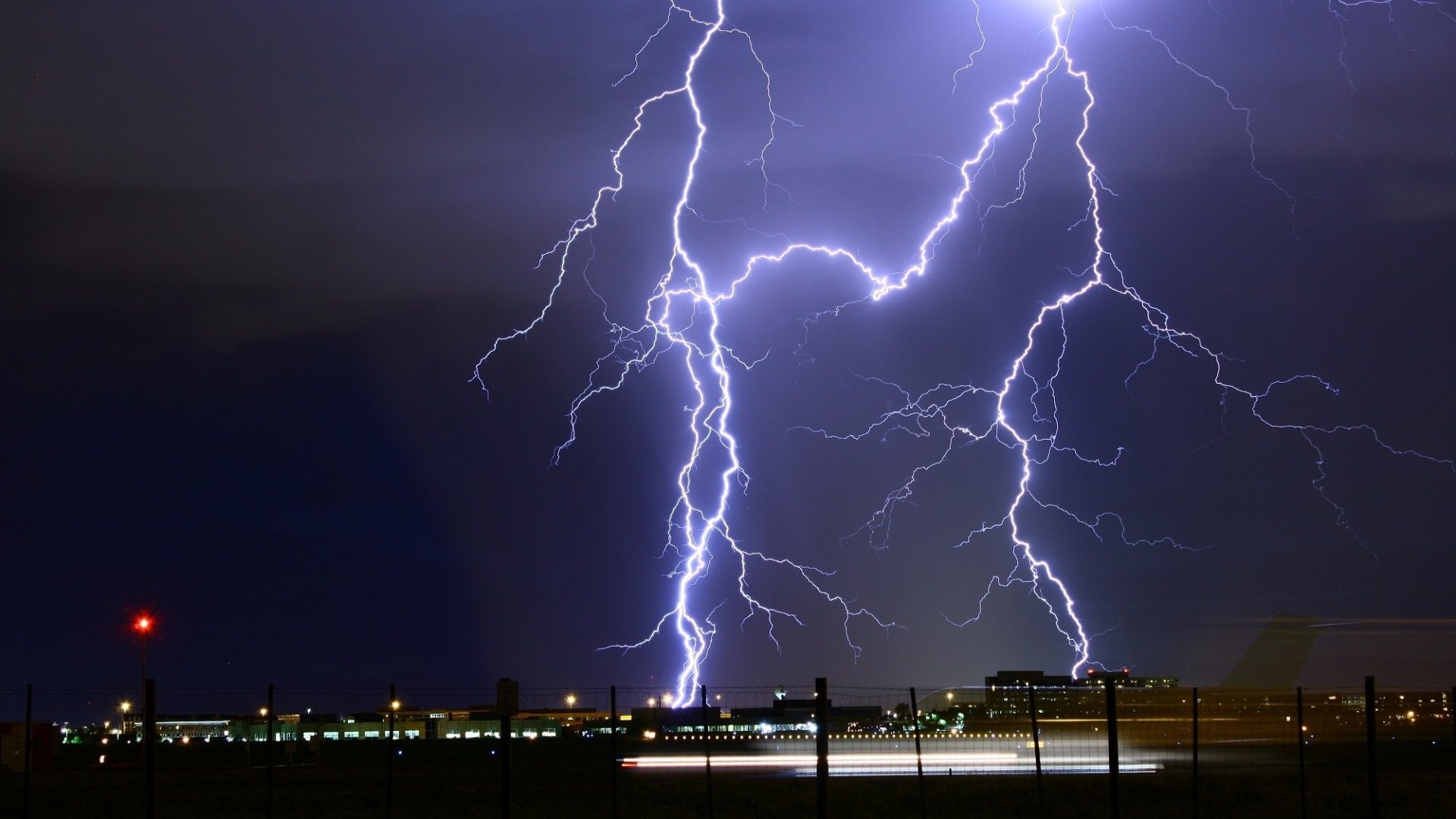
From 27 to 29 September, isolated thunderstorms are expected over northern parts of Northwestern, Luapula and Northern provinces. The Department attributes them to moist air flowing in from the Congo, dry air pushing up from the south-east, and high temperatures in some areas.
From 30 September to 2 October, the picture changes. Strong winds are expected across the entire country, and eight provinces, Eastern, Lusaka, Central, Southern, Western, Northwestern, Copperbelt and Luapula, are likely to experience cloudy conditions and isolated rainfall.
Daytime temperatures are also expected to fall slightly in parts of Lusaka, Central and Southern provinces, as well as southern parts of Eastern Province.
| Period | Conditions | Areas affected |
|---|---|---|
| 27 to 29 September | Isolated thunderstorms | Northern parts of Northwestern, Luapula and Northern provinces |
| 30 September to 2 October | Strong winds countrywide; cloudy conditions and isolated rainfall | All provinces; cloud and rain most likely in Eastern, Lusaka, Central, Southern, Western, Northwestern, Copperbelt and Luapula |
| 30 September to 2 October | Slightly lower daytime temperatures | Parts of Lusaka, Central and Southern provinces, and southern Eastern Province |
The advisory does not give uniform rainfall or temperature figures for every district, so conditions will vary from one place to the next. Residents should treat the Department’s daily forecasts as the working guide for their own area.
Why storms are arriving before the rains
Thunderstorms this early do not mean the rainy season has started. Zambia’s main rains normally run from November to March. What the Department is describing is a classic early-season setup: moist Congo air meeting dry south-easterlies over hot ground, which is enough to set off localised storms in the north long before the season settles in.
The context matters for planning. The government has already directed ministries and local authorities to activate contingency plans for a drier, hotter 2026/2027 season, with forecasters putting El Niño’s odds above 90 percent and a delayed, below-normal start to the rains in the south (rainy season outlook). A week of thunderstorms in the north does not cancel that warning. Households, farmers and businesses would be unwise to read this spell as a normal season on the way.
The early storms also land in a season when climate shocks are already on the national balance sheet, from food-security risks hanging over maize exports to the power gap El Niño could open up.
Farmers told to protect the harvest
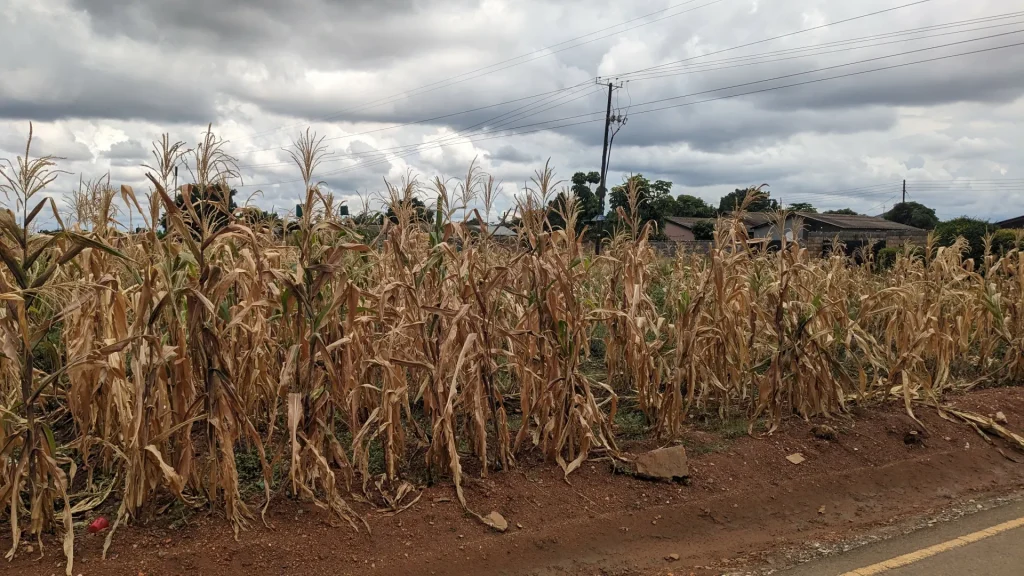
The most direct commercial instruction in the advisory goes to farmers: protect harvested crops from possible rain damage.
The warning is not abstract. Zambia has just come off a strong harvest, and grain has spent weeks queueing at FRA depots and sheds. Any stock still sitting under tarpaulins or in the open, whether at a depot, a cooperative shed or a household granary, is what this week’s rain can reach. Maize that takes up moisture spoils or sprouts, and buyers grade it down or reject it outright. For farmers counting on sales into export deals such as the Kenyan maize purchase, damp grain is a direct loss of income.
The practical steps are cheap compared with the loss: move bags under a solid roof, stack them off the ground on pallets or bricks, keep tarpaulins weighted down against the strong winds forecast from 30 September, and check stacks for damp patches after each storm.
Boats, trees and dusty winds
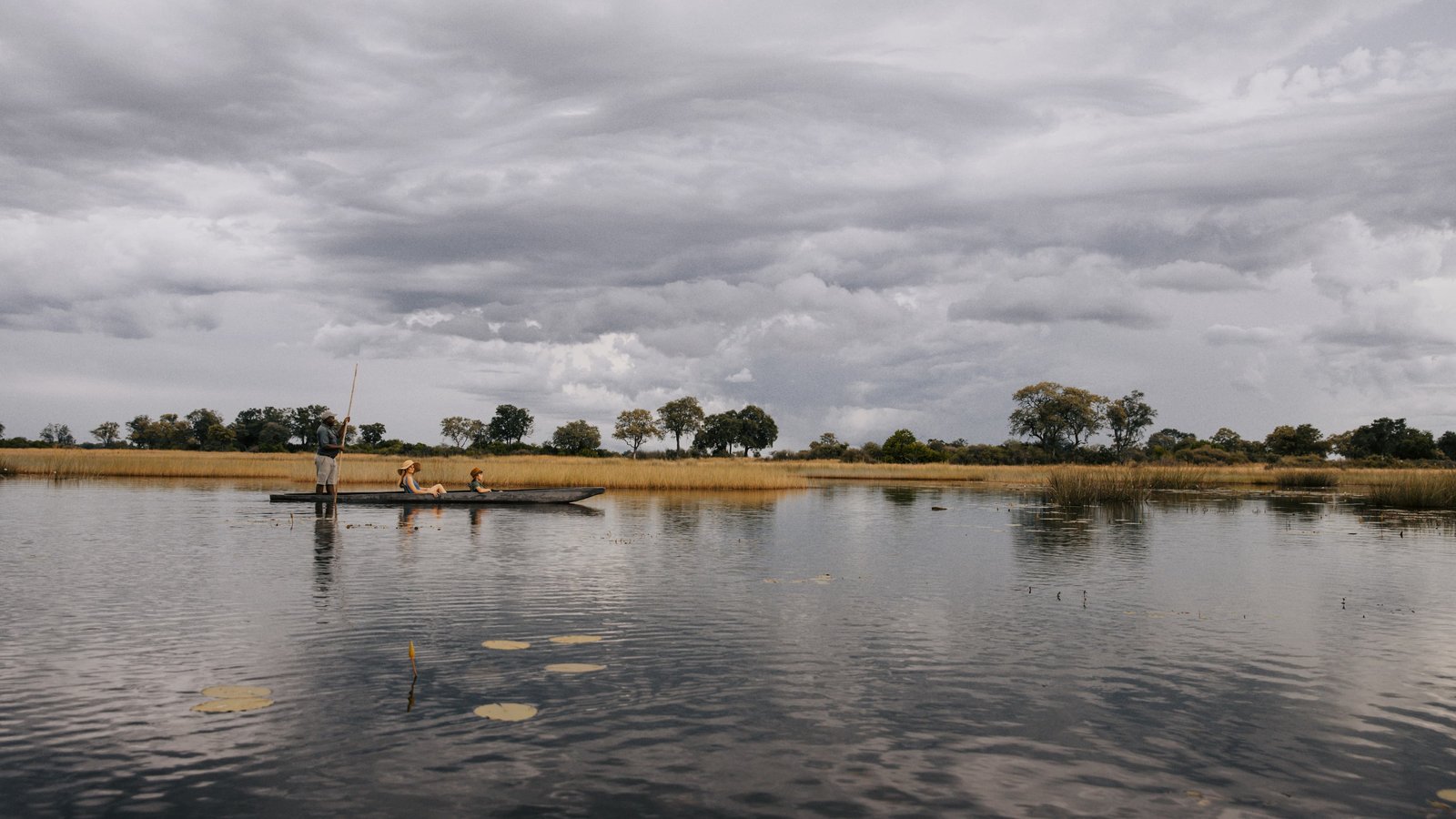
Water transport operators have been advised to suspend activities during stormy conditions to prevent accidents. Strong winds can turn lakes and rivers dangerous within minutes, and the ferry and fishing routes on water bodies such as Lake Tanganyika, Lake Bangweulu, Lake Kariba and the Zambezi are the obvious exposure.
The public has also been advised not to shelter under trees during thunderstorms because of the risk of lightning strikes. The same winds that make trees dangerous can lift roofing sheets, market stall covers, billboards and construction hoardings, so securing loose structures before Wednesday is cheaper than replacing them.
For people working outdoors, traders, farm labourers, construction crews and transporters, the Department advises avoiding prolonged exposure to dusty and windy conditions, staying hydrated and limiting direct exposure to the sun.
What happens next
The Department says it will continue monitoring weather conditions and provide updates in collaboration with the Disaster Risk Management Division. For most readers the working habit is simple: check the daily forecast for your district each morning this week, because isolated storms pick their places.
What this means for business and households
- Grain and storage: everyone holding maize, groundnuts, soya or other produce in bags should have it under cover and off the ground before 30 September. Storage providers and agro-dealers should expect demand for pallets, tarpaulins and fumigation services after the rains.
- Transport: boat operators should plan for stoppages, and road transporters on dusty corridors should expect poor visibility during the wind phase.
- Construction and events: the 30 September to 2 October window is a poor one for crane work, hoardings, staging and outdoor events unless everything is tied down.
- Health and staffing: outdoor employers should rotate staff out of dust and sun, and provide water. People with respiratory conditions should carry medication and limit time in dusty wind.
The first storms of the season are a reminder rather than a crisis. Cover the grain, tie down what the wind can lift, keep off the water when the sky turns, and put the daily forecast into the week’s operating plan.
Related reading
- Government Orders Immediate Drought Preparations as Zambia Faces Drier, Hotter 2026/2027 Rainy Season
- Zambia Braces for Windy, Cooler Weather Until August 30
- Zambia’s Maize Export Opportunity Faces Food-Security and Climate Risk
- FRA Congestion and the Logistics of a Bumper Harvest
- Agriculture and Mining hub: full coverage
WARNING! All rights reserved. This material and all other digital content on this website may not be reproduced, published, broadcast, rewritten, or redistributed, in whole or in part, without the prior express permission of The Zambian Economist. Where permission is granted, the content must be clearly credited to “The Zambian Economist,” with “www.zambianeconomist.com” prominently displayed.
WhatsApp: +260775574228 | Email: info@zambianeconomist.com
© 2026 The Zambian Economist.