

Government has ordered ministries, provincial administrations and local authorities to activate contingency plans immediately, after forecasters put the odds of an El Niño season above 90%, with the south facing a delayed start to the rains.
KEY TAKEAWAYS
- Government has directed ministries, provincial administrations and local authorities to activate contingency measures immediately, ahead of a forecast drier, hotter 2026/2027 rainy season.
- Rainfall will vary sharply by region: above-normal to normal in the Northern Belt, changeable in the Central Transition Zone, and below-normal with a delayed onset in the Southern Belt.
- Forecasters and the World Meteorological Organisation put the probability of El Niño developing this season above 90%, the same phenomenon behind the 2023/2024 dry spells, which drew emergency relief for 5.8 million people and destroyed nearly a million of the 2.27 million hectares of maize planted that year.
- Up to 1.2 million people, about 7% of the population in the 93 districts assessed, could face severe food shortages between October 2026 and March 2027.
- Government says it has cut the number of people needing humanitarian food assistance by 79.3% over the past two growing seasons, progress it wants to protect through early action rather than post-disaster relief.
A season split in two
Government launched the National Seasonal Rainfall Forecast Outlook for the 2026/2027 season on Friday at the Radisson Blu Hotel in Lusaka, setting out a forecast that splits the country roughly into three. The Northern Belt is expected to receive above-normal to normal rainfall. The Central Transition Zone faces changing conditions through the season. The Southern Belt is forecast to receive below-normal rainfall and a delayed onset of the rains, the combination that did the most damage to crops and water supplies in the last major dry spell.
Secretary to the Cabinet Patrick Kangwa, delivering the outlook, directed ministries, provincial administrations and local authorities to activate their contingency measures without delay. The instruction was explicit about timing: the country should use the climate information it already has to prepare, rather than wait for a disaster to force the response.
Why El Niño is back in the conversation
Kangwa named El Niño as the main driver of Zambia’s weather this season. Forecasters and the World Meteorological Organisation put the probability of it developing above 90%, a figure that carries weight because of what the last episode cost. The 2023/2024 El Niño-induced dry spell triggered emergency relief for more than 5.8 million people. Of the 2.27 million hectares of maize planted that season, nearly a million hectares were lost outright.
Those numbers are the baseline against which this season’s forecast has to be read. A season with a similar probability of El Niño, and a similar regional rainfall pattern in the south, is why government moved to activate contingency plans on the day the outlook was launched rather than waiting for the rains to under-deliver first.
The food security numbers
Government estimates that approximately 1.2 million people could face severe food shortages between October 2026 and March 2027, roughly 7% of the population in the 93 districts assessed. Set against that risk is a run of progress it does not want to lose: the number of people requiring humanitarian emergency food assistance has fallen by 79.3% over the past two growing seasons. Kangwa framed the current planning cycle as an effort to protect that gain, not simply to react to the coming season on its own terms.
What government has directed
Permanent Secretaries and Provincial Administration Heads have been instructed to put their contingency plans into action immediately, with responses tailored to the different conditions expected in each part of the country. For farmers in the drier southern and central areas, the advice is to consider early-maturing and drought-tolerant crops and to wait for confirmation from the Zambia Meteorological Department on the onset of the rains before planting, rather than planting to the calendar.
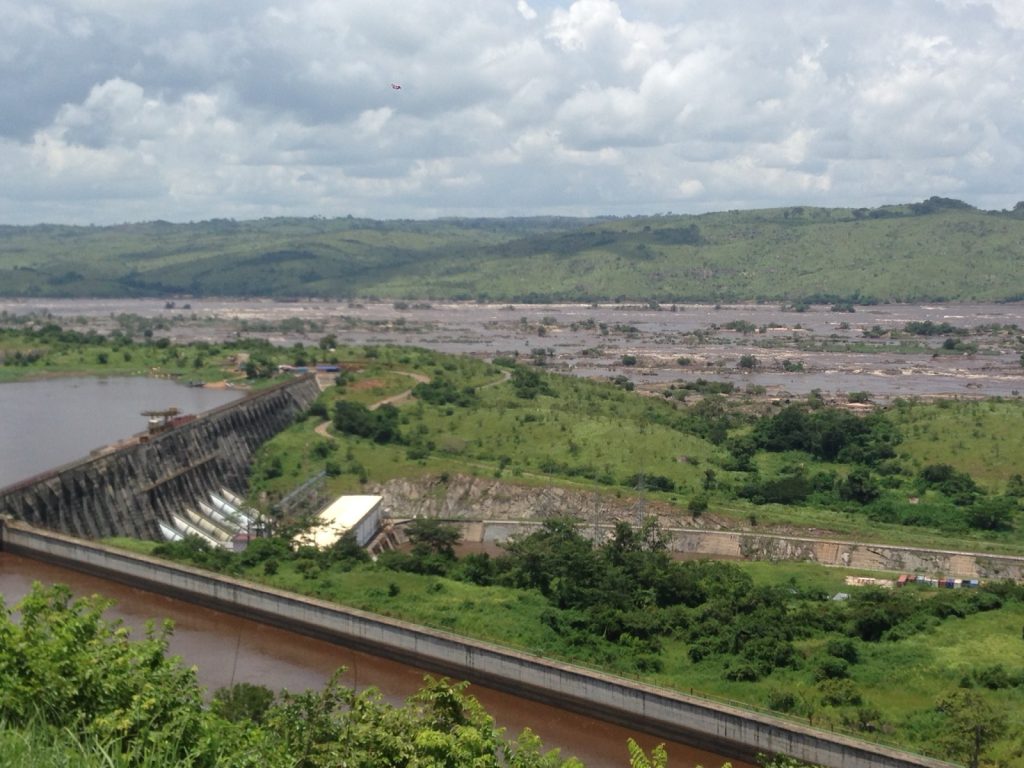
Government has also called for closer monitoring of dam levels, water conservation and power generation, given the anticipated reduction in water inflows into parts of the Zambezi. The National Disaster Risk Reduction and Management Division and the Ministry of Health have been directed to prepare for the hazards specific to each region: heat and water shortages in the south, and the higher risk of disease outbreaks and flooding in the north.
Kangwa asked farmers to work with agricultural extension officers and to follow advisories from the Zambia Meteorological Department, and directed ministries, provincial administrations and local authorities to make sure the seasonal outlook reaches planners and decision-makers at every level, not just at the centre. He credited cooperating partners, including the SCRALA project supporting climate resilience among farming communities in 16 vulnerable districts, for backing the preparedness plan and the launch of the outlook.
What this means for business and planning
For agribusiness and input suppliers, the regional split in the forecast is the detail worth acting on early: demand for early-maturing and drought-tolerant seed varieties is likely to concentrate in the Southern Belt and parts of the Central Transition Zone, while the Northern Belt’s more favourable outlook keeps it the safer bet for standard maize varieties. Insurers and lenders exposed to agricultural risk, including through weather-indexed products, have a season to plan around rather than a surprise to absorb after the fact.
For energy planners, the direction to increase monitoring of dam levels and water conservation points to the same pressure point that shaped the 2023/2024 crisis: reduced inflows into the Zambezi affect both irrigation and power generation, and any tightening this season would arrive on top of a power system still working through the effects of the last drought.
The 79.3% reduction in people needing humanitarian food assistance is the figure government has the most riding on. It is evidence that the response to the last El Niño built real capacity, and the emphasis on early contingency action this time is an attempt to show that capacity holds up against a repeat, rather than being reset by it.
Related reading: El Nino Warning: Zambia Told to Fix Its Power Gap Before the Drought Bites, Njala Insurance: The Case for Paying Zambia’s Drought Cover in Maize, Not Kwacha, FRA Maize Floor Price 2026: K347 a Bag, and What It Costs and Zambia’s Power Deficit and the Real Cost to Business and Understanding the ‘Supersized’ El Nixc3xb1o of 2026/2027.
WARNING! All rights reserved. This material and all other digital content on this website may not be reproduced, published, broadcast, rewritten, or redistributed, in whole or in part, without the prior express permission of The Zambian Economist. Where permission is granted, the content must be clearly credited to “The Zambian Economist,” with “www.zambianeconomist.com” prominently displayed.
WhatsApp: +260775574228 | Email: info@zambianeconomist.com
© 2026 The Zambian Economist.