
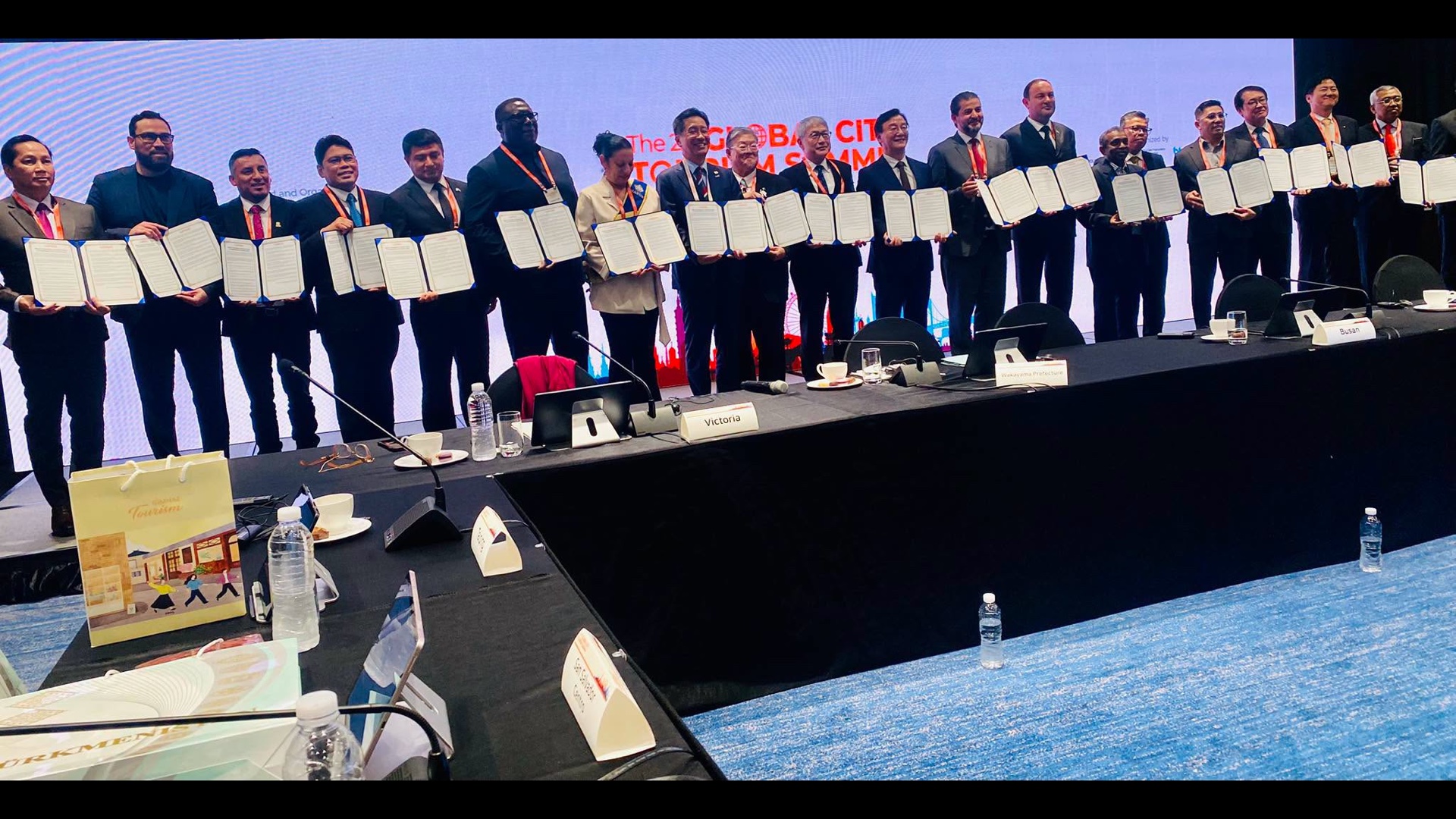
Lusaka Mayor Chitambala Mwewa has used the 2nd Global City Tourism Summit in Busan, South Korea, to ask global partners for smart city solutions, waste-to-value innovation and digital destination marketing, telling mayors that sustainable tourism begins with a clean environment.
KEY TAKEAWAYS
- Lusaka Mayor Chitambala Mwewa addressed the Mayors’ Roundtable at the 2nd Global City Tourism Summit 2026 in Busan, South Korea, held under the theme “Local Tourism; Connecting Urban Economies and Tourism Innovation”.
- He called for global partnerships in smart city solutions, waste-to-value innovation and digital destination marketing to drive sustainable city tourism.
- Lusaka, home to an estimated 3.1 million people, is positioning itself as a tourism destination anchored on culture, heritage, local cuisine and community experiences.
- Existing initiatives include the Kabwata Cultural Village, city food tours, township arts and the Make Lusaka Clean, Green and Healthy campaign.
- Mayors and delegates signed a declaration working towards a Common Vision for Sustainable City Tourism in 2040.
LUSAKA: The Mayor of Lusaka, Mr Chitambala Mwewa, has called for global partnerships in smart city solutions, waste-to-value innovation and digital destination marketing, positioning the Zambian capital as a city that intends to earn from tourism without wrecking the environment that tourists come to enjoy.
Mr Mwewa made the call when he delivered his Mayoral Statement at the Mayors’ Roundtable during the 2nd Global City Tourism Summit 2026 in Busan, South Korea. The summit, held under the theme “Local Tourism; Connecting Urban Economies and Tourism Innovation”, has drawn mayors and delegates from across the world to share working models for tourism-led growth that spreads benefits beyond hotel lobbies and into townships, markets and small businesses.
Lusaka as a destination, not a stopover
Central to the Mayor’s message is that Lusaka has spent decades being treated as a transit point on the way to Livingstone, South Luangwa or Victoria Falls. That is the framing he wants changed. He told delegates that Lusaka, Zambia’s capital with an estimated 3.1 million people, is positioning itself as a tourism destination in its own right, anchored on culture, heritage, local cuisine and community experiences.
The pitch is already backed by activity on the ground. Mr Mwewa cited the Kabwata Cultural Village, where traditional craft and architecture are on display; city food tours that turn Lusaka’s kitchens and markets into attractions; township arts; and the Make Lusaka Clean, Green and Healthy campaign that targets the state of the city’s streets, parks and public spaces.
The clean city campaign links directly to the argument this publication has made about the environment Lusaka’s residents actually live in. A city that has lost its tree cover and cooks in its own heat does not sell itself to visitors, and the Mayor’s stress on clean, green public spaces acknowledges that the city’s living infrastructure is part of the product, not decoration around it.
Sustainable tourism begins with a clean environment
Mr Mwewa told the roundtable that sustainable city tourism depends on reliable infrastructure, effective waste management, environmental protection and well-maintained public spaces, noting that sustainable tourism begins with a clean environment. It is a statement of the obvious that most city budgets still manage to avoid. A visitor who cannot find a clean public toilet, a litter-free market or a park with shade does not return, and does not recommend.
This is where the Mayor’s three partnership asks fit together. Smart city solutions cover the infrastructure side, from lighting and transport to data that helps a city understand visitor flows. Waste-to-value innovation turns the cost centre of refuse collection into a revenue line, composting and recycling what the city currently burns or buries. Digital destination marketing is how a city of 3.1 million people competes for attention against better-funded rivals without a matching advertising budget.
A common vision for 2040
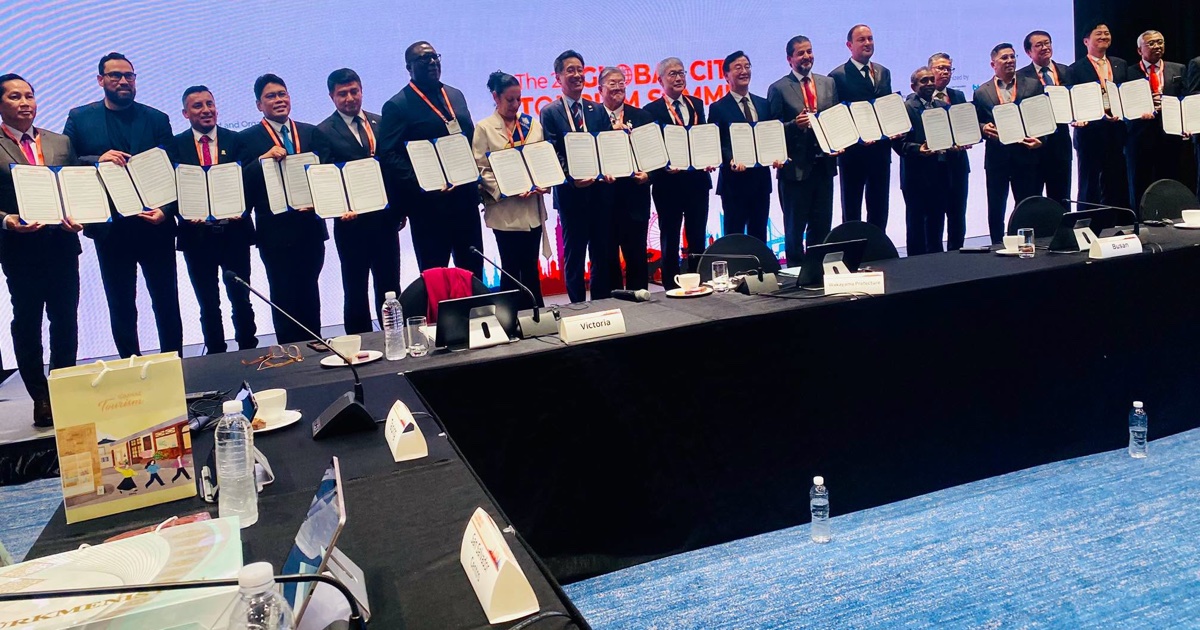
Mr Mwewa urged cities to work towards a Common Vision for Sustainable City Tourism in 2040, one that promotes vibrant urban economies, innovation and liveable cities. The mayors and delegates at the summit also signed a declaration to reach a shared understanding among global tourism cities on that common vision.
For Lusaka, the value of such a declaration is practical rather than ceremonial. Membership of a global network of tourism cities opens access to the models that have worked elsewhere, from waste-to-energy plants feeding city budgets to cultural districts that lifted township incomes. It also gives the Lusaka City Council a reference point when arguing locally for spending on public spaces that can otherwise be dismissed as cosmetic.
What this means for business and policy
For business: a city that markets food tours, cultural villages and township arts is signalling demand for tour operators, lodges, restaurants, event planners, craft producers and digital marketers. Firms that build products around the initiatives the Mayor cited are moving with the official direction of travel rather than against it.
For policy: the summit commitment will be tested at home. Reliable infrastructure, effective waste management and maintained public spaces are council deliverables that show up in budgets, not in statements. The Make Lusaka Clean, Green and Healthy campaign, and the willingness to chase waste-to-value innovation, are the domestic indicators to watch between now and the summit’s next edition.
For investors: urban tourism infrastructure in a city of 3.1 million people is an under-served market. Convention facilities, hospitality training, waste recycling ventures and digital platforms for destination marketing all sit inside the agenda the Mayor has now taken global.
Related reading
- Super El Niño Makes African Cities Sweat
- Trees Are the Nerves of Planet Earth
- Zambia Agriculture and Mining hub: full coverage
WARNING! All rights reserved. This material and all other digital content on this website may not be reproduced, published, broadcast, rewritten, or redistributed, in whole or in part, without the prior express permission of The Zambian Economist. Where permission is granted, the content must be clearly credited to “The Zambian Economist,” with “www.zambianeconomist.com” prominently displayed.
WhatsApp: +260775574228 | Email: info@zambianeconomist.com © 2026 The Zambian Economist.
Work With The Zambian Economist: Advertise With Us | List With Us | Submit an Article