
Funds have gone to prioritised districts in nine provinces, while the latest food security analysis projects that about 1.25 million people will face acute food insecurity during the coming lean season.
Key Takeaways
- The Government says it has disbursed K31.7 million to buy and distribute relief food in prioritised districts across nine provinces.
- About 1.25 million people are projected to face crisis or worse levels of acute food insecurity between October 2026 and March 2027, 7 per cent of the population in the 93 districts analysed.
- The response plan covers food supplies, water protection, disease surveillance and preparedness for potential droughts and floods.
- The public summary does not give district allocations, food quantities or a delivery timetable.
Zambia has disbursed K31.7 million for food relief in prioritised districts across nine provinces as it prepares for the anticipated effects of the 2026/2027 El Niño, according to a government summary of Vice-President Mutale Nalumango’s ministerial statement.
The money is intended to finance the procurement and distribution of food to vulnerable communities. The Ministry of Information and Media published the summary on 23 October.
What does the food security assessment show?
Nalumango cited the 2026 Zambia Vulnerability and Needs Assessment, whose field findings feed the Integrated Food Security Phase Classification (IPC) analysis for Zambia.
The IPC report projects that 1,253,124 people, about 1.25 million, will be in IPC Phase 3 (Crisis) or worse between October 2026 and March 2027. That is up from about 698,000 people between April and September 2026.
The 1.25 million figure is 7 per cent of the 19.1 million people living in the 93 districts covered by the analysis. It should not be read as 7 per cent of Zambia’s total population, or as a sign that every one of the 93 districts faces the same level of need.
The ministry’s summary gave the at-risk period as August 2026 to March 2027. The IPC report sets the projection at October 2026 to March 2027, the lean season before the next harvest.
The assessment describes people at risk over a specified period. It does not establish that all those people have already received relief, or that they will all be covered by this particular disbursement.
What will the preparedness plan cover?
The Government is implementing a 2026/2027 El Niño Preparedness and Response Plan to coordinate action on the anticipated effects of the weather phenomenon, including potential droughts and floods.
Measures outlined in the statement include climate-smart farming practices, stronger disease surveillance and protection of water sources. Water and energy conservation, food supplies and the continuity of essential services also form part of the response.
The Government and cooperating partners are mobilising financial, human and material resources. Public information will be distributed through radio, television and community platforms to help people receive early warnings and preparedness advice.
Advice for farmers and households
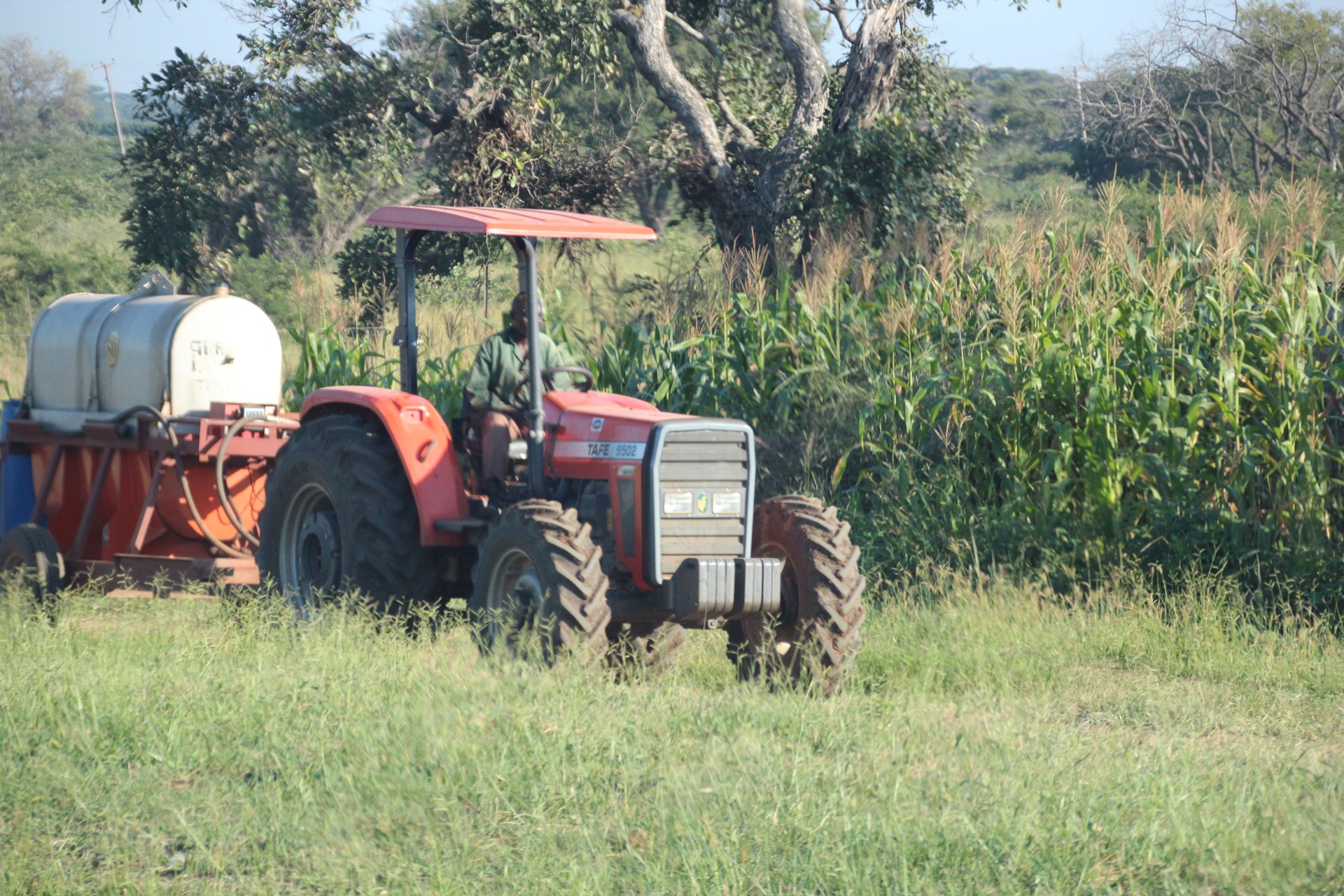
Nalumango urged MPs to share seasonal forecasts in their constituencies and encourage farmers to follow advice from the Zambia Meteorological Department and agricultural extension officers.
Citizens were also asked to conserve water, use appropriate farming practices and preserve available household food stocks.
For farmers deciding when and what to plant, local forecasts and extension advice matter more than assuming that the same conditions will apply across the country. The seasonal outlook released in September points to normal to above-normal rainfall in the north and below-normal rainfall in the south. The government summary does not provide a district-by-district outlook.
From disbursement to food on the table
The K31.7 million is a reported release of funds for procurement and distribution. That is a different stage from confirming that food has reached households.
The public summary does not identify the recipient districts or explain how the money is divided between food purchases and delivery costs. It also gives no food tonnage, beneficiary total for this release or distribution timetable.
Those details will help communities and MPs track implementation. The immediate measures of delivery are how much food is purchased, where it goes and when eligible households receive it.
For households with limited food stocks, timely assistance could reduce the need to divert scarce cash from other essentials. For public agencies, the practical task is to turn the funding into deliveries before shortages deepen.
Related: Why the 2026/2027 super El Niño threatens Zambia’s food, power and budget | Understanding the supersized El Niño of 2026/2027 | The K19.9 billion supplementary budget and payments to FRA maize farmers
Sources: Ministry of Information and Media summary of the Vice-President’s ministerial statement, 23 October 2026; IPC Zambia Acute Food Insecurity Analysis, April 2026 to March 2027.
WARNING! All rights reserved. This material and all other digital content on this website may not be reproduced, published, broadcast, rewritten, or redistributed, in whole or in part, without the prior express permission of The Zambian Economist. Where permission is granted, the content must be clearly credited to “The Zambian Economist,” with “www.zambianeconomist.com” prominently displayed.
WhatsApp: +260775574228 | Email: info@zambianeconomist.com
© 2026 The Zambian Economist.