Key takeaways
- The current El Niño began around July 2026 and the WMO expects it to persist until March 2027, or slightly beyond.
- It sits in the central and eastern tropical Pacific, but shifts winds, rainfall and temperatures across the world, including Zambia.
- Early assessments from the WFP and the African Development Bank warn of crop failures, collapsed fisheries and energy shortages, with the poorest countries carrying the heaviest burden.
- For Zambia, the pattern points to a drier, hotter 2026/2027 rainy season, which puts maize harvests and hydropower generation back under pressure.
- Dr Kelvin Kamayoyo, Technical Advisor for African Rivers: a small change in the Pacific creates big, cascading changes in rainfall, agriculture and infrastructure everywhere else.
A supersized El Niño is under way in the Pacific Ocean, and it is the kind of weather event that reaches a maize field in Choma and a power station at Kariba without either knowing the other exists. The World Meteorological Organization assesses that the event began around July 2026 and will persist until March 2027, or slightly beyond. For Zambia, whose last encounter with this pattern in 2023/2024 produced a national drought emergency and day-long power cuts, the question is whether the country is better prepared this time.
The supersized El Niño of 2026/2027 matters because a small change in the Pacific creates big, cascading changes in rainfall, temperature, agriculture and infrastructure everywhere else in the world, notes Dr Kelvin Kamayoyo, Technical Advisor for African Rivers. This article draws on content analysis and lived experience.
What El Niño actually is
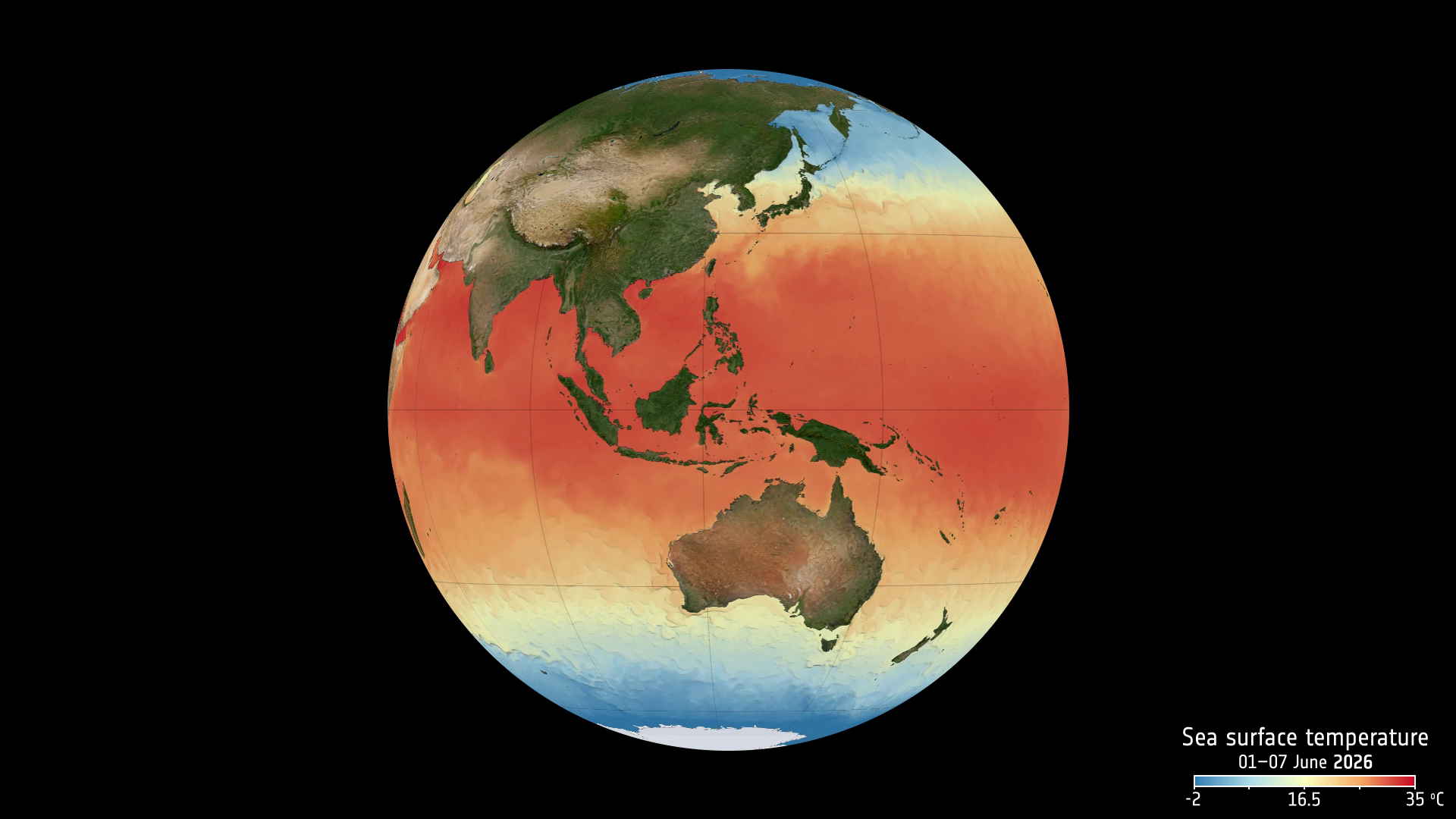
Physically, El Niño is located in the central and eastern tropical Pacific Ocean, where an anomalous warming of sea surface temperatures alters atmospheric circulation, and in turn shifts winds, rainfall and temperatures far beyond the ocean itself (McPhaden et al., 2006).
It is one phase of a larger cycle called the El Niño-Southern Oscillation (ENSO). The cycle flips back and forth between El Niño and its cooler counterpart, La Niña, every 2 to 7 years (Bjerknes, 1969). That rhythm makes prediction possible. What it does not do is make each event equal, because the intensity of any single El Niño varies widely. A defining feature of the phenomenon is its unpredictability and the disproportionate way it manifests from one region to the next (McPhaden et al., 2006).
Why the ripples travel worldwide
As The Weather Network’s Nicole Karkic explains, warming Pacific Ocean temperatures are the trigger, but the ripple effects travel worldwide because the atmosphere is all connected. That is why one patch of warm ocean can contribute to floods in Bangladesh, drought in Zambia and heatwaves in Europe within the same season.
The early assessments for this event are blunt. The WMO and the World Food Programme warn of historic crop failures, collapsed fisheries, energy shortages and mass hunger, with the poorest countries bearing the heaviest burden (WMO, 2026; WFP, 2026). The African Development Bank’s 2026 outlook reaches a similar conclusion for the continent, flagging climate shocks as a drag on growth exactly when many African economies are trying to stabilise debt (AfDB, 2026).
Nor is this a distant forecast. The impacts are already unfolding across farms, rivers and markets, and without urgent adaptation, millions more people face acute hunger and displacement within the next six months (WFP, 2026; AfDB, 2026).
What it means for Zambia
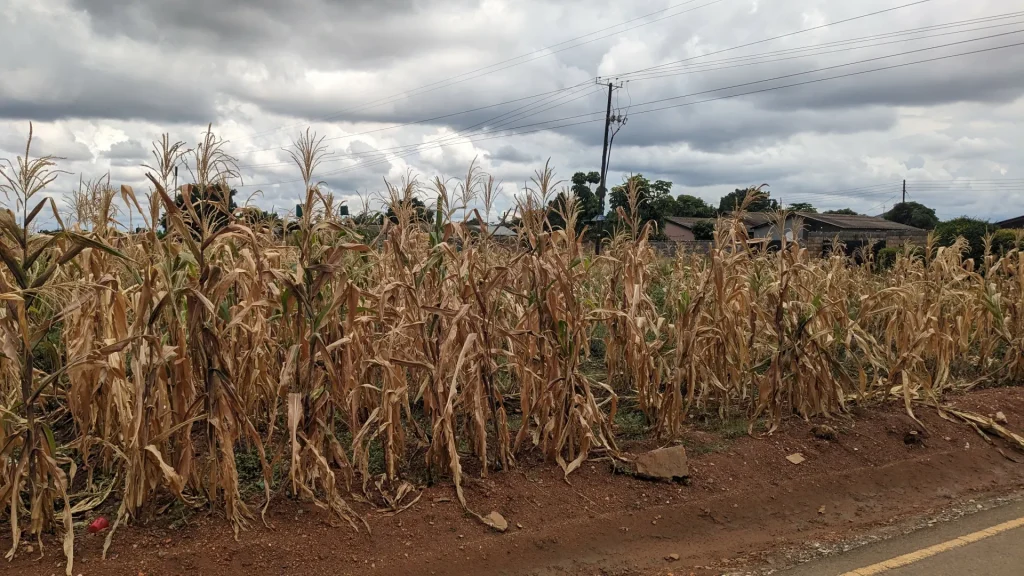
Zambia sits on the wrong side of this teleconnection. In an El Niño year, the southern half of the country typically receives below-normal rainfall between December and February, the window in which maize, the national staple, does most of its growing. The 2023/2024 season showed what happens when that window fails: the government declared a national disaster, maize output fell sharply, food inflation climbed and low water levels at Kariba forced extended load shedding that cut into mining output and SME earnings.
The government has not been standing still. It has already ordered drought preparations across line ministries ahead of a drier, hotter 2026/2027 rainy season, a step we examined in Government Orders Immediate Drought Preparations as Zambia Faces Drier, Hotter 2026/2027 Rainy Season. Zambia’s broader readiness, from grain reserves to river monitoring, is assessed in Zambia Leads with Foresight in Preparing for the 2026/2027 Supersized El Niño, and the stress the event places on river systems is set out in Supersized El Niño 2026/2027 To Stress Rivers.
What it means for business and investors
Agribusiness should treat a below-normal rainy season as the base case rather than the downside scenario. Millers and grain traders can expect tighter domestic maize supply and renewed pressure on mealie meal prices from the second quarter of 2027 if the forecast holds, which also revives the food-security questions raised by Zambia’s maize export plans. Power-intensive operators, including miners on the Copperbelt, should factor renewed hydropower risk into 2027 production plans, given how quickly Kariba levels translated into load shedding in 2024.
For investors, the trade is about watching the second-round effects: food inflation feeding into wage demands and Bank of Zambia policy, and agricultural input demand rising as farmers switch to early-maturing and drought-tolerant seed. Insurers and lenders serving smallholders will face the same concentration of weather risk documented in the case for paying Zambia’s drought cover in maize rather than kwacha.
What it means for policy
The 2023/2024 drought tested Zambia’s response systems and exposed the gaps. The 2026/2027 event will test whether the fixes worked: the state of the strategic food reserve, irrigation coverage for commercial and smallholder farmers, and the credibility of drought insurance payouts. Anticipatory action is cheaper than relief, which is the logic the WFP has applied in its 2026 outlook (WFP, 2026). Budget allocations in the 2027 fiscal frame will show whether that logic has been absorbed.
References
- African Development Bank (AfDB) (2026) African Economic Outlook 2026: Climate Shocks and Growth. Abidjan: AfDB.
- Bjerknes, J. (1969) ‘Atmospheric Teleconnections from the Equatorial Pacific’, Monthly Weather Review, 97(3), pp. 163-172.
- McPhaden, M.J., Zebiak, S.E. and Glantz, M.H. (2006) ‘ENSO as an Integrating Concept in Earth Science’, Science, 314(5806), pp. 1740-1745.
- World Food Programme (WFP) (2026) El Niño Anticipatory Action and Food Security Outlook 2026-2027. Rome: WFP.
- World Meteorological Organization (WMO) (2026) El Niño/La Niña Update. Geneva: WMO.
Related reading: Understanding the ‘Supersized’ El Niño of 2026/2027 and El Niño Warning: Zambia Told to Fix Its Power Gap Before the Drought Bites.
Related: Anthrax Outbreak Spreads to Zambia’s Cattle Herds as a Harsher Rainy Season Approaches.
WARNING! All rights reserved. This material and all other digital content on this website may not be reproduced, published, broadcast, rewritten, or redistributed, in whole or in part, without the prior express permission of The Zambian Economist. Where permission is granted, the content must be clearly credited to “The Zambian Economist,” with “www.zambianeconomist.com” prominently displayed.
WhatsApp: +260775574228 | Email: info@zambianeconomist.com
© 2026 The Zambian Economist.