Community service gives Zambia’s Independence commemorations a practical purpose. The lasting benefit will depend on what happens after the celebrations.
Key Takeaways
- Zambia marks 62 years of Independence on 24 October 2026, having gained independence in 1964.
- The supplied commemorative message highlights community cleaning, donations to vulnerable groups and tree planting as expressions of shared responsibility.
- The National Assembly reports holding a tree-planting exercise at Northmead Secondary School on 22 October as part of Independence Week.
- Lasting results require regular waste collection, care for planted trees and continued support for people in need.
Zambia’s 62nd Independence anniversary falls on 24 October 2026. On the eve of the commemoration, the call to take shared responsibility for the country’s future brings the national conversation into everyday places: the street outside a shop, a school compound and a neighbourhood’s shared spaces.
The commemorative message supplied to The Zambian Economist points to community cleaning, donations to vulnerable groups and tree planting by citizens and public institutions. Its appeal is for participation in national development, with the Grow Zambia Agenda presented as the wider framework for inclusive growth.
How is Zambia marking Independence through service?
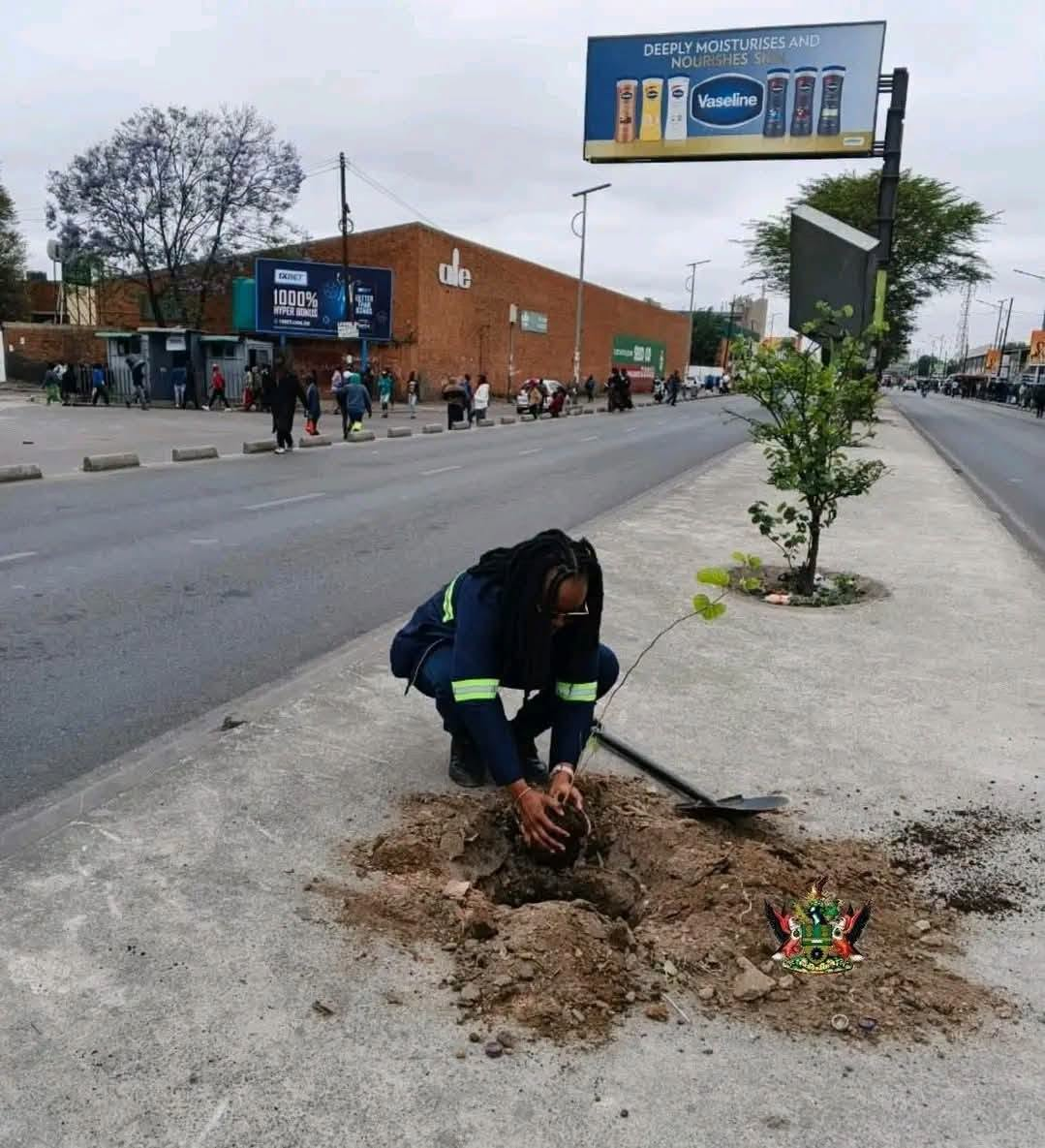
One documented example comes from the National Assembly, which reports that it held a tree-planting exercise at Northmead Secondary School in Lusaka on 22 October 2026. Its account places the exercise within Cabinet-approved Independence Week activities.
Such activities give people a way to contribute directly to their surroundings. A trader can help organise a clean-up around a trading area. A business can support an agreed local need. A school can assign responsibility for watering and protecting newly planted trees.
Why does community care matter for the economy?
Public spaces form part of the working environment for Zambia’s small businesses. Customers and traders use the same pavements, drains and market surroundings. Keeping those spaces usable is a practical concern for people earning a living there.
A clean-up can remove accumulated waste, but its benefit depends on where that waste goes and whether collection continues. Moving rubbish from one corner to another simply transfers the problem. Councils, businesses and residents need arrangements that make routine upkeep possible.
Tree planting has a similar test. A sapling needs a suitable site and someone responsible for its care. The useful measure is how many trees remain healthy after planting, rather than the number photographed on the day.
Donations can address immediate needs among vulnerable households. Their value is greatest when organisers establish what recipients need and distribute support with dignity. The supplied message gives no totals for donations, participants or trees, so it does not establish the scale of these activities or their economic impact.
What does shared responsibility require of public institutions?
Citizens can contribute time and resources. Public institutions remain responsible for delivering the services within their mandates and accounting for the resources they use. Volunteer effort works best alongside dependable public services.
For councils and other participating bodies, a useful follow-up would identify who will maintain each site, how waste will be collected and who will care for planted trees. Businesses considering support can ask for a specific task and a named local partner, making the contribution easier to follow through.
How does this connect to the Grow Zambia Agenda?
The commemorative message links community service to the Grow Zambia Agenda’s ambition for inclusive growth and wider opportunity. At neighbourhood level, that connection rests on follow-through: public spaces that remain usable and local institutions that respond to people’s needs.
These activities do not, by themselves, demonstrate higher national output or new employment. They can, however, give citizens a direct role in caring for the places where daily economic life happens. Read our Grow Zambia Agenda explainer for the wider policy context.
The anniversary’s supplied message, “Zambia@62: Our Journey, Our Growth, Our Future”, invites reflection on the country’s progress since 1964. Its practical challenge is to carry the spirit of service into the weeks that follow 24 October. A cared-for tree or a regularly maintained public space would be a lasting contribution.
Related: Zambia’s 62nd Independence anniversary and the economics of Independence Week.
Explore our Leadership & Governance hub and Business & Economy coverage.
Sources: commemorative message supplied to The Zambian Economist; National Assembly report on its Independence Week tree-planting exercise; State House background on Independence Day. Analysis of follow-up requirements is by The Zambian Economist.
WARNING! All rights reserved. This material and all other digital content on this website may not be reproduced, published, broadcast, rewritten, or redistributed, in whole or in part, without the prior express permission of The Zambian Economist. Where permission is granted, the content must be clearly credited to “The Zambian Economist,” with “www.zambianeconomist.com” prominently displayed.
WhatsApp: +260775574228 | Email: info@zambianeconomist.com
© 2026 The Zambian Economist.
Work With The Zambian Economist
Advertise With Us | List With Us | Submit an Article
Events | About Us | Contact Us