President Hakainde Hichilema is using the Harare summit to promote trade and investment under the Grow Zambia Agenda. For Zambian firms, the test will be easier market access and projects that reach implementation.
Key Takeaways
- Hichilema has arrived in Harare for the 25th COMESA Heads of State and Government Summit on 22 October 2026, according to his official communication.
- The President says the Grow Zambia Agenda will guide his calls for more trade and investment.
- UNCTAD’s COMESA Investment Report 2025 records US$65 billion in foreign direct investment in 2024. That is a historical flow, not money available for allocation at this summit.
- The practical issues for Zambia are border procedures, reliable transport and power, and investment agreements with clear delivery terms.
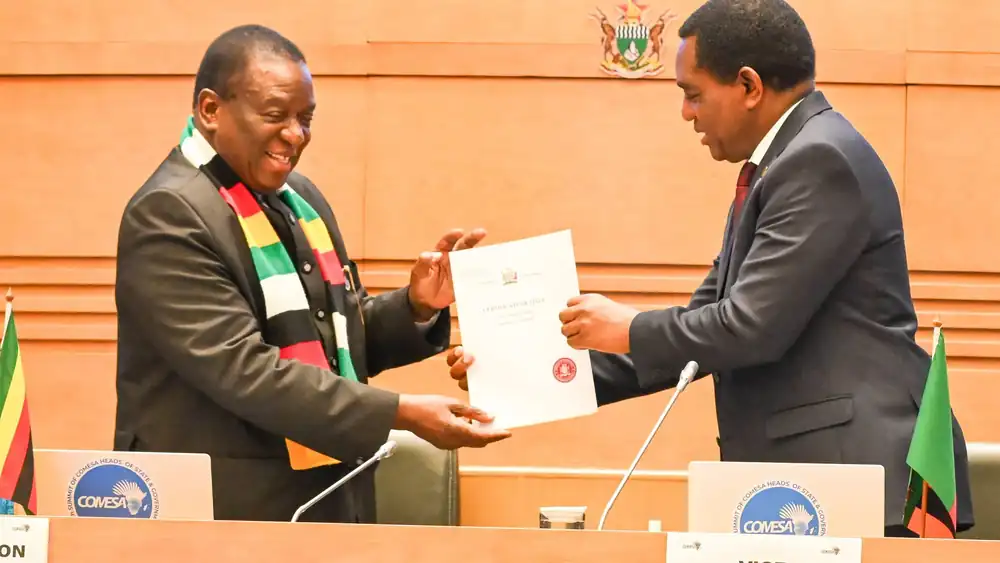
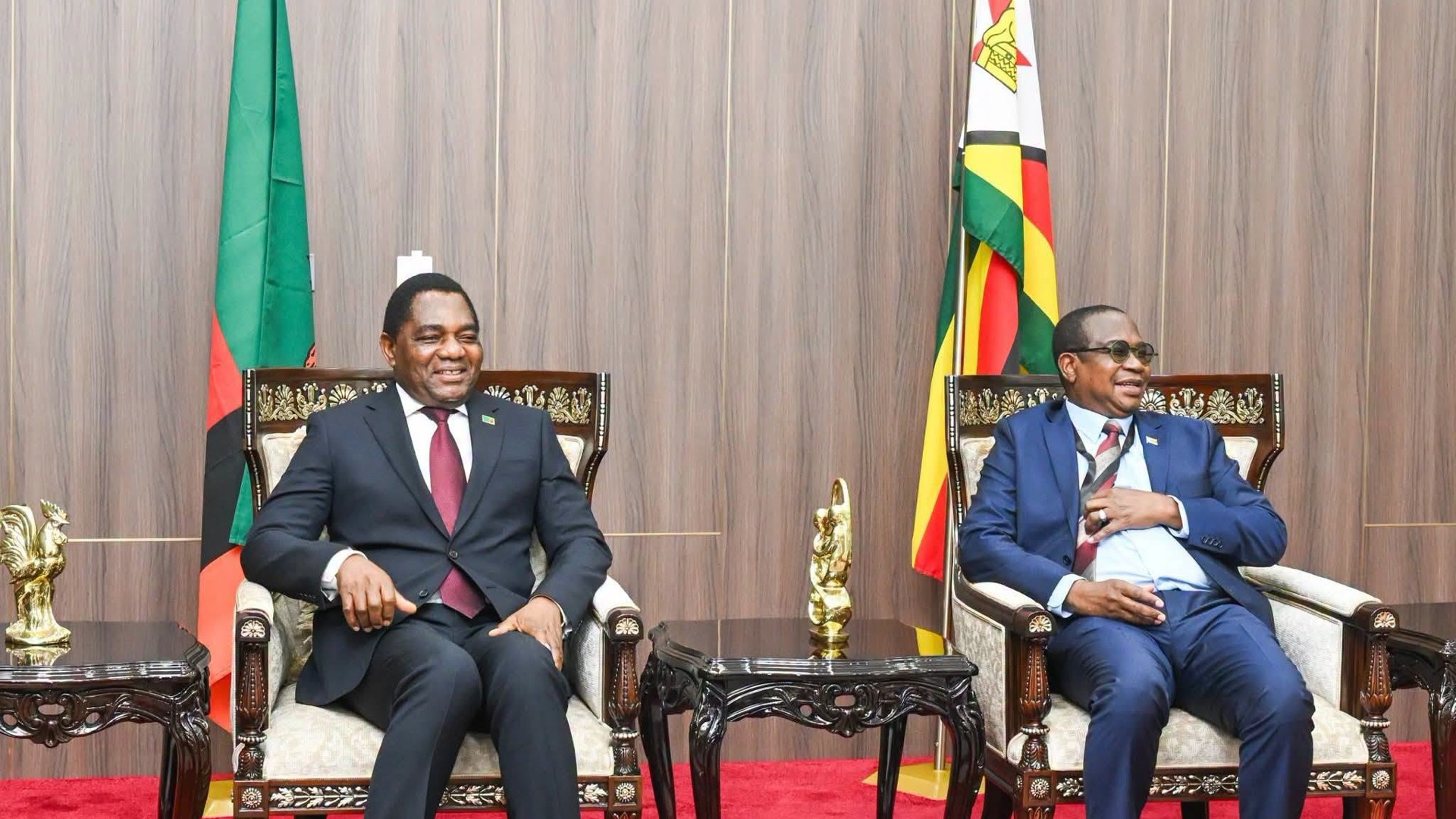
President Hakainde Hichilema has arrived in Harare, Zimbabwe, for the 25th COMESA Heads of State and Government Summit, taking the Grow Zambia Agenda into discussions on regional trade and investment.
In his official communication on 22 October 2026, the President said the agenda would remain central to his discussions and his calls for greater trade and investment within Africa and beyond. The summit also marks Zimbabwe’s assumption of the COMESA chairmanship.
Why does COMESA matter for Zambia?
The Common Market for Eastern and Southern Africa brings together 21 member states. Its Secretariat is based in Lusaka, giving Zambia an established role in the organisation’s work on regional economic integration.
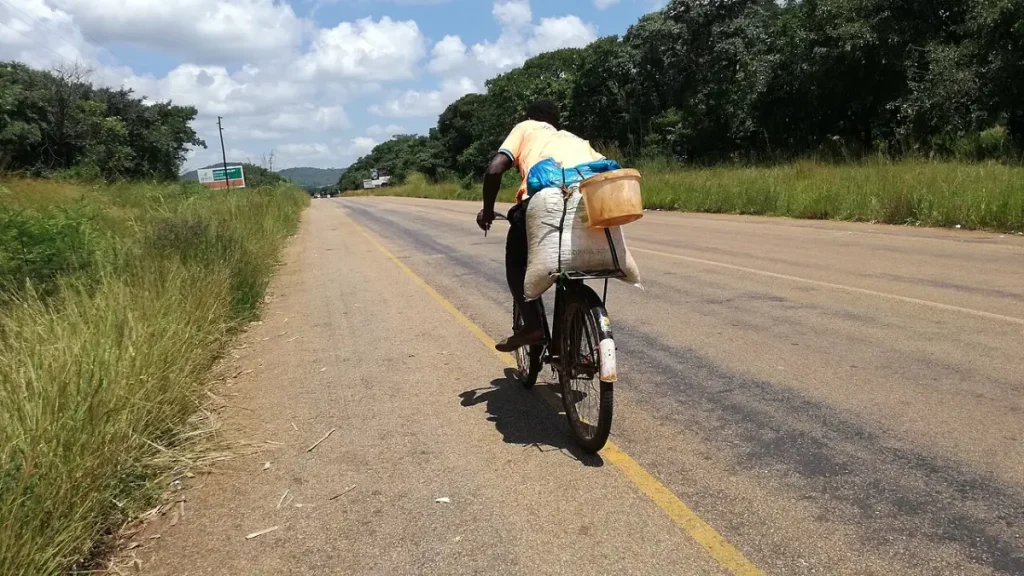
For a Zambian producer, regional integration matters when goods cross a border. Customs procedures, permits, transport links and the recognition of product standards can determine how long a consignment takes to reach a customer and what the journey costs.
A summit can agree priorities and direct further work. The benefit to a business depends on what national authorities and border agencies implement afterwards. A communiqué alone does not shorten a delivery time.
The investment figure needs context
The COMESA Investment Report 2025, published by UN Trade and Development, records US$65 billion in foreign direct investment inflows to member states in 2024, an increase of 154 per cent.
The year matters: 2025 is the report’s title, while 2024 is the period covered by that figure. These inflows describe investment already recorded across the bloc. They are not a grant, a summit pledge or a fund from which Zambia can claim a share.
UNCTAD says the increase was driven largely by Egypt’s Ras El-Hekma project. Five recipients accounted for 90 per cent of the bloc’s inflows. The headline total therefore gives an incomplete picture of the investment reaching individual economies.
For Zambia, attracting future investment will require viable projects, credible contracts and the infrastructure needed to operate them. Membership of a large regional market can support that case, but does not guarantee an investment decision.
What does Grow Zambia need from regional trade?
The Grow Zambia Agenda sets out the government’s ambitions to expand production and economic activity. Regional markets could provide customers for additional output and routes to markets further afield.
That opportunity depends on supply as well as demand. Farms and factories need reliable electricity, working capital and affordable transport. Exporters also need predictable rules and payment arrangements. A larger potential market does not establish that every additional tonne produced will find a buyer.
For small businesses, the most useful changes may be practical ones: clearer documentation, fewer avoidable delays and consistent charges. For larger investors, the questions include power supply, freight capacity and the enforceability of agreements.
What should readers watch after Harare?
| Development | Evidence to look for |
|---|---|
| Trade facilitation | Named border measures, implementation dates and evidence of shorter clearance times. |
| Investment announcements | Identified investors, financing terms, approvals and a timetable for delivery. |
| Transport and energy cooperation | Specific agreements and operating improvements that businesses can use. |
| Summit decisions | A published communiqué identifying responsibilities and next steps. |
The President’s message establishes Zambia’s priorities for the discussions. Whether the summit advances those priorities will be clearer when decisions, agreements and implementation details are published.
Related coverage: Zambia’s objectives ahead of the Harare summit and the reappointed presidential advisory team. Follow our Business & Economy coverage.
Correction, 22 October 2026: An earlier version dated COMESA’s US$65 billion FDI figure to 2025. It relates to 2024. This article also removes an incorrect population comparison and clarifies that historical FDI inflows are not an available investment fund.
Sources: President Hakainde Hichilema’s official communication on arrival in Harare, 22 October 2026; State House’s summit announcement; UNCTAD, COMESA Investment Report 2025. Featured photograph: Office of the President.
WARNING! All rights reserved. This material and all other digital content on this website may not be reproduced, published, broadcast, rewritten, or redistributed, in whole or in part, without the prior express permission of The Zambian Economist. Where permission is granted, the content must be clearly credited to “The Zambian Economist,” with “www.zambianeconomist.com” prominently displayed.
WhatsApp: +260775574228 | Email: info@zambianeconomist.com © 2026 The Zambian Economist.
Work With The Zambian Economist: Advertise With Us · List With Us · Submit an Article
Related: Hichilema Returns From COMESA Summit as Vice-Chair, Hands Over Title for New Headquarters in Lusaka.