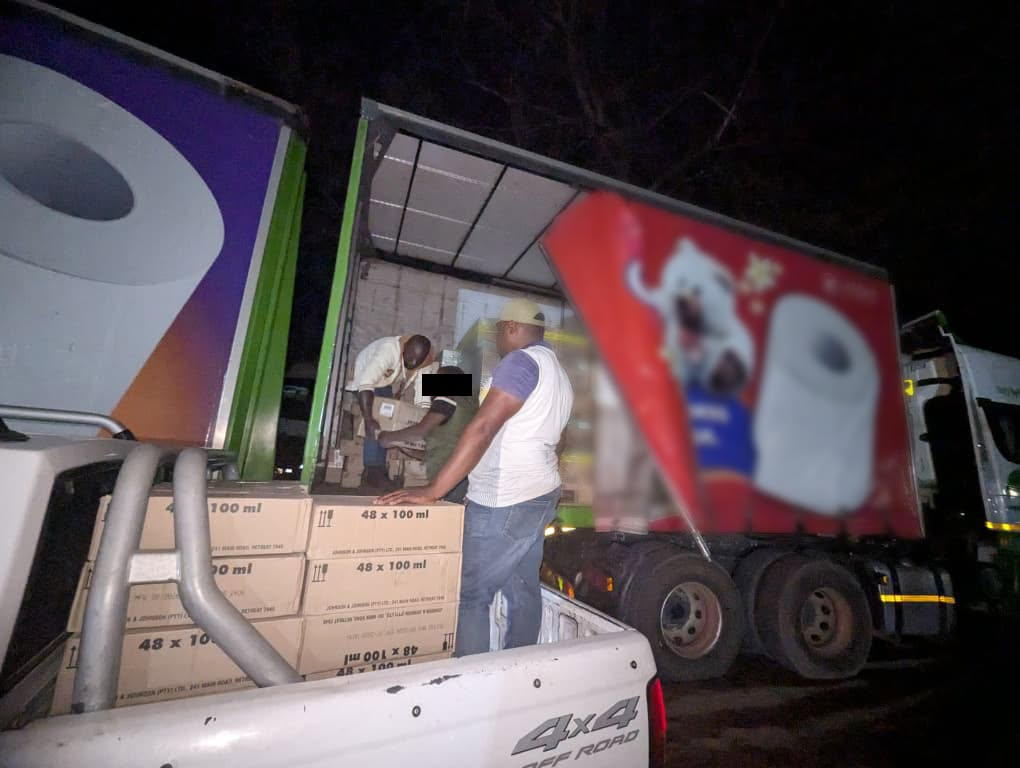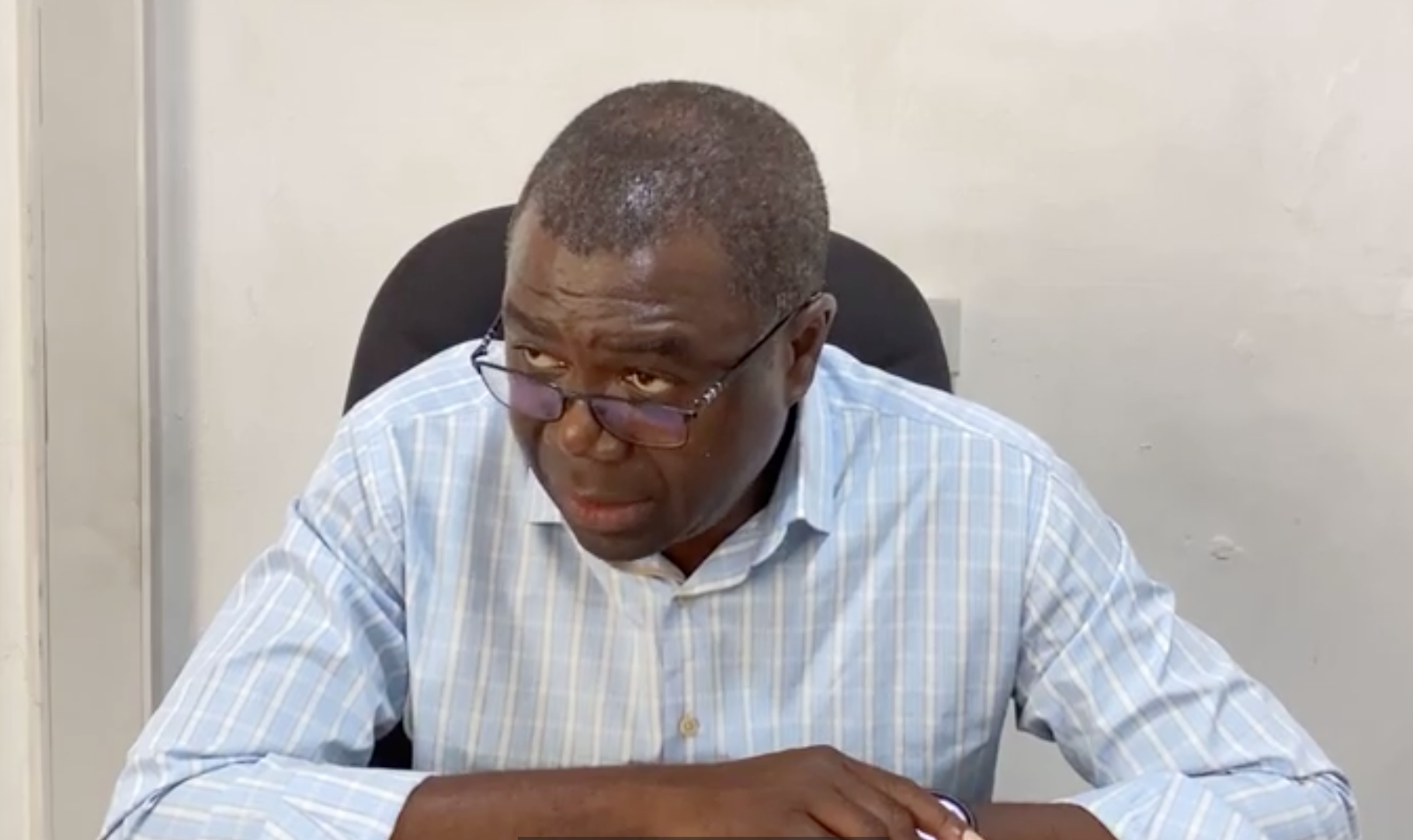
Health Minister Roma Chilengi’s spot check at Livingstone University Teaching Hospital puts medicine availability and patient care under scrutiny. The Ministry’s announcement does not report what the inspection found.
Key takeaways
- Health Minister Prof. Roma Chilengi visited Livingstone University Teaching Hospital to assess service delivery, medicines and medical supplies, and facility conditions.
- The Ministry of Health reported the spot check on 21 October 2026.
- Its announcement gives no stock figures, inspection findings or timetable for corrective work.
- For patients, the useful follow-up would be evidence of medicine availability and reliable services, alongside action on any problems identified.
Health Minister Prof. Roma Chilengi has conducted a spot check at Livingstone University Teaching Hospital to assess healthcare delivery, the availability of essential medicines and medical supplies, and the condition of its facilities, according to the Ministry of Health.
The Ministry published the update on 21 October 2026 alongside a video of the visit. It described the inspection as part of the Government’s efforts to improve access to quality care.
The announcement does not say whether particular medicines were unavailable, which facilities required attention, or what instructions followed the inspection. Those details are needed before the visit can be treated as evidence of better services.
What was the Livingstone hospital spot check assessing?
The stated scope covered the services patients receive, stocks of essential medicines and medical supplies, and the general state of the hospital’s facilities. These are connected parts of care: a consultation may still leave a patient with further costs or another journey if the prescribed medicine or required service is unavailable.
That is an explanation of why the inspection matters, rather than a finding about conditions at Livingstone University Teaching Hospital. The Ministry’s published caption does not provide a facility-level assessment.
Why medicine availability matters to household budgets
When a patient has to obtain medicine elsewhere, the cost can extend beyond the price at a pharmacy. There may be another transport fare, time away from work, or a relative’s time spent accompanying them. For someone running a small business, hours spent making repeat trips can also mean hours away from customers.
No household-cost estimate accompanied this visit, and there is no basis in the announcement for calculating those expenses at Livingstone. The practical question for follow-up reporting is whether patients can complete the care they need without avoidable additional journeys.
What would show whether the inspection led to action?
A useful public update would identify any problems found, explain who is responsible for addressing them and give a date for checking progress. If no shortages or facility problems were identified, publishing the scope and results would still help readers understand what was checked.
For medicine stocks, an availability figure needs a definition: which medicines were assessed, on what date, and over what period? A snapshot of supplies on one day cannot, by itself, establish whether patients have been able to obtain them consistently.
For hospital services, readers would benefit from an account of any interruptions and the steps taken to resolve them. None of these measures has been announced in the Ministry’s caption; they are suggested tests for assessing the outcome.
The public-finance question is what reaches patients
For health managers and policymakers, the visit is an opportunity to compare the position reported through administrative systems with what is happening at a hospital. Any response should be matched to the problem actually established, whether that concerns supplies, equipment or the organisation of services.
The announcement contains no new procurement award or spending commitment. Suppliers and investors should therefore avoid reading the inspection as a notice of new contracts.
The next useful story is the result: what was found and, where action was needed, what changed for patients.
Explore our Health & Lifestyle coverage and Leadership & Governance hub. Related reporting: Zambia’s 2025 audit and health-sector arrears. Find organisations in our business directory and upcoming discussions in our events listings.
Source: Ministry of Health Zambia’s official video announcement, 21 October 2026. Household-cost and accountability discussion: The Zambian Economist’s analysis.
WARNING! All rights reserved. This material and all other digital content on this website may not be reproduced, published, broadcast, rewritten, or redistributed, in whole or in part, without the prior express permission of The Zambian Economist. Where permission is granted, the content must be clearly credited to “The Zambian Economist,” with “www.zambianeconomist.com” prominently displayed.
WhatsApp: +260775574228 | Email: info@zambianeconomist.com
© 2026 The Zambian Economist.