Zambia’s Meteorological Department has issued a hot-weather alert for 20–24 October. For people earning a living outdoors, reducing exposure will require practical changes to working hours and access to drinking water and shade.
Key takeaways
- The Zambia Meteorological Department’s alert is valid from 20 to 24 October 2026 and warns of severe heat conditions from prolonged high temperatures.
- The public is advised to drink water, limit strenuous outdoor activity during peak afternoon hours and seek shade or a well-ventilated place.
- Dizziness, confusion or fainting require immediate medical attention, according to the advisory.
- Employers and market managers can help by providing drinking water, shaded rest areas and safer work schedules.
- Farmers are advised to provide livestock with enough water and shade and ensure proper storage of fish feed.
The Zambia Meteorological Department has warned of severe heat conditions across Zambia during an alert period running from 20 to 24 October 2026. Its advice is to reduce exposure, stay hydrated and protect people who are particularly vulnerable to high temperatures.
The advisory, issued at 15:40 CAT on Tuesday, 20 October, says a tropical warm airflow from the east is influencing Zambia’s weather and is expected to remain active throughout the forecast period.
For a market trader, construction worker or farmer, the warning raises a practical problem: how to keep earning while avoiding prolonged exposure to the heat. A safer working day may mean moving heavier tasks to cooler hours and making water and shaded breaks part of the job.
What does the alert say?
The department describes the expected conditions as severe heat caused by prolonged high temperatures. The bulletin does not give maximum temperatures for individual districts or quantify likely losses to farming or business.
It advises people to drink plenty of water, limit strenuous outdoor activities, particularly during peak afternoon hours, and keep cool in shaded or well-ventilated places. Cool showers are among the options it lists where available.
The alert also asks healthcare facilities to prepare for increased cases of heat-related illness and urges particular protection for children and older people. The department says it will continue monitoring weather patterns and sharing updates alongside the Disaster Risk Management Division.
Why heat becomes an income problem
Someone paid by the day or dependent on daily sales may find it difficult to stop working during the hottest hours. Yet continuing strenuous activity without adequate rest or water can put health at risk.
The World Health Organization’s guidance on workplace heat stress explains that the strain on workers depends on physical effort, environmental conditions and clothing. Air temperature alone does not capture the full exposure: humidity, direct sunlight and air movement also matter.
For Zambia’s informal businesses, the economic risk is straightforward. Illness can interrupt trading and add treatment or transport costs to a household budget. That is a possible consequence of exposure, rather than a measured loss from this particular alert.
Our reporting on the pressures on informal workers’ incomes shows why additional disruptions deserve attention. People with limited cash reserves have less room to absorb time away from work.
What employers and market managers can do
Businesses should assess which tasks expose workers to the most heat and whether demanding outdoor work can be moved away from peak afternoon hours. Ready access to safe drinking water and a shaded place to rest can make the advisory more practical.
Supervisors can make sure workers know the warning signs and can report feeling unwell promptly. Market committees can check whether traders and customers have access to shade and water, especially in exposed trading areas.
These are practical responses to the alert, rather than new legal requirements announced in the bulletin. A market stall, building site and enclosed workshop will need different arrangements.
When should you seek medical attention?
The Meteorological Department advises immediate medical attention if someone experiences dizziness, confusion or fainting. Stop the activity and move the person to a cooler place while arranging help. Do not leave them alone.
The WHO describes heatstroke as a medical emergency. MedlinePlus advises against giving anything by mouth to an unconscious person.
Households should check on children, older relatives and people who need help keeping cool or obtaining water. WHO advises never leaving children or dependent adults alone in parked vehicles.
Livestock and fish feed need protection too
The advisory asks livestock owners to provide animals with enough water and shade. It also calls for proper storage of fish feed during the hot weather.
For farmers, that means checking watering arrangements and storage conditions before problems develop. Follow the feed supplier’s storage instructions and seek veterinary or extension advice where animals show signs of distress.
The bulletin does not forecast specific crop failures or livestock deaths. Those outcomes should not be assumed from the warning. The immediate task is to reduce avoidable exposure and keep essential farm routines working.
Shade is also an investment
Over the longer term, covered trading spaces, suitable trees and better ventilation can make workplaces more usable during hot weather. Our analysis of trees, food security and livelihoods considers why protecting shade and the local environment has economic value.
For this alert period, households and businesses need measures they can use now. Check daily weather updates, plan demanding tasks for cooler hours where possible and make sure vulnerable people can reach water and a cooler place.
More coverage: Health & Lifestyle and Business & Economy.
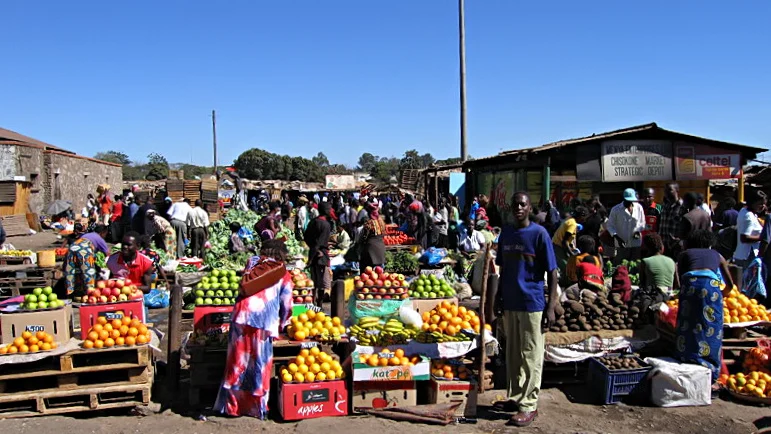
Image: Traders and shoppers at Chisokone Market, Kitwe. Archive photograph used to illustrate outdoor trading, not conditions during this alert. Photograph: Edu-Tourist / Flickr, via Wikimedia Commons, CC BY 2.0; cropped. The photograph retains its Creative Commons licence.
WARNING! All rights reserved. This material and all other digital content on this website may not be reproduced, published, broadcast, rewritten, or redistributed, in whole or in part, without the prior express permission of The Zambian Economist. Where permission is granted, the content must be clearly credited to “The Zambian Economist,” with “www.zambianeconomist.com” prominently displayed.
WhatsApp: +260775574228 | Email: info@zambianeconomist.com
© 2026 The Zambian Economist.
Work With The Zambian Economist
Advertise With Us | List With Us | Submit an Article
Subscribe to our weekly briefing | Events | About Us | Contact Us