Musokotwane says the next five years should turn wider access to education into skills employers need, building on free education and CDF-supported training.
Key Takeaways
- The Government plans to prioritise job-ready technical skills over the next five years, according to Finance Minister Situmbeko Musokotwane.
- The emphasis will be on practical competence, building on free education and CDF-supported training.
- Musokotwane cited Thailand’s development as an example of how skilled workers support infrastructure and production.
- The statement sets out a policy direction but does not specify new funding, training targets or job-creation estimates.
Zambia will prioritise practical technical training over the next five years to help more people secure employment and start businesses, Finance and National Planning Minister Situmbeko Musokotwane has said.
In a statement published by the Ministry of Finance and National Planning on 23 October, Musokotwane said wider access to education must translate into the ability to perform the work required by employers.
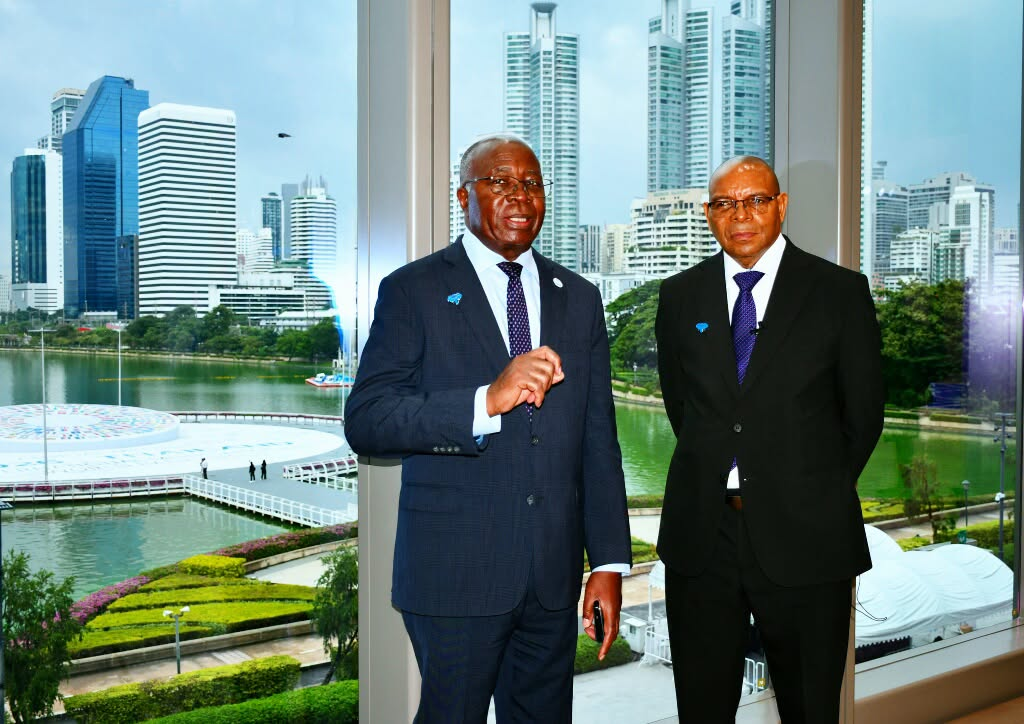
His remarks followed the 2026 IMF and World Bank Group Annual Meetings in Bangkok. The meetings ran from 12 to 18 October.
From classroom access to workplace competence
Musokotwane said free education and Constituency Development Fund (CDF) supported training had laid a foundation. The next phase would focus on the quality of training and how beneficiaries apply their skills.
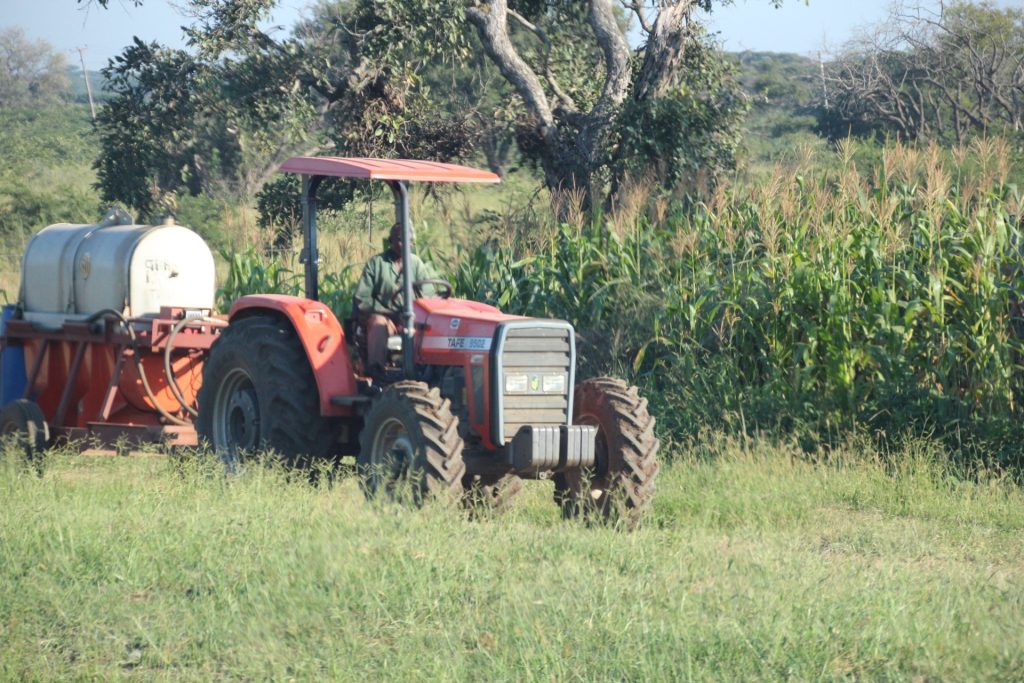
He identified mechanics, electricians, engineers, miners, technicians and clerks among the workers Zambia needs to meet industry requirements and increase production.
Competence in technical occupations does not always depend on holding a university degree, he said. For many jobs, the immediate requirement is the ability to carry out specific tasks accurately and efficiently.
What Zambia can learn from Thailand
The minister pointed to Thailand’s modern infrastructure as evidence of the contribution made by skilled artisans and technicians. Zambia needed a workforce able to produce comparable results in construction, mining, manufacturing and agriculture, he said.
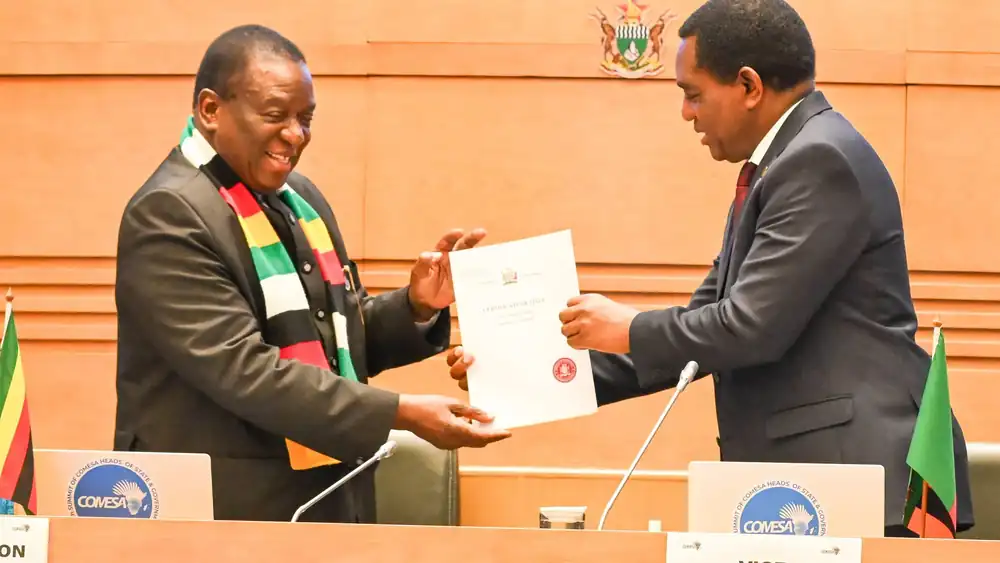
His argument places practical training within the Government’s wider Grow Zambia Agenda. That agenda seeks to turn economic stability and public investment into increased production and private-sector growth. Read our related coverage of the Grow Zambia Agenda at the COMESA summit.
What this could mean for workers and businesses
For a young Zambian choosing a training course, the policy emphasis makes the connection between learning and paid work central. A course’s value depends partly on whether it provides enough workshop practice and teaches skills that employers or customers will pay for.
For businesses, a larger pool of competent workers could reduce recruitment difficulties and the time spent retraining new employees. Self-employment offers another route for tradespeople, although equipment costs and access to customers also affect whether a skill becomes a reliable income.
These are potential benefits rather than guaranteed outcomes. Training alone cannot ensure employment if businesses are not creating jobs or if graduates lack the tools to work independently.
What has been announced, and what remains unclear?
The ministry’s statement describes a policy priority for the next five years. It does not set out a new budget, the number of training places to be funded, an implementation timetable or a forecast of jobs to be created.
Those details will matter when assessing delivery. Useful measures would include completion rates, employer assessments of graduates’ skills and how many trainees move into employment or sustained self-employment.
For now, the test Musokotwane has set is practical: whether expanded education and training help Zambians do the work that the economy needs.
Source: Ministry of Finance and National Planning statement, 23 October 2026.
Explore more reporting in Business & Economy and our Business Directory.
WARNING! All rights reserved. This material and all other digital content on this website may not be reproduced, published, broadcast, rewritten, or redistributed, in whole or in part, without the prior express permission of The Zambian Economist. Where permission is granted, the content must be clearly credited to “The Zambian Economist,” with “www.zambianeconomist.com” prominently displayed.
WhatsApp: +260775574228 | Email: info@zambianeconomist.com
© 2026 The Zambian Economist.