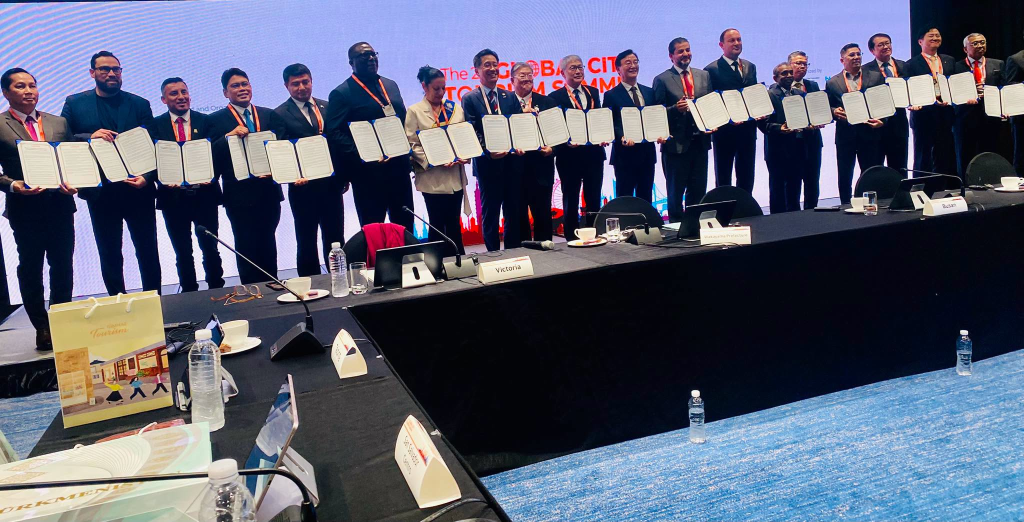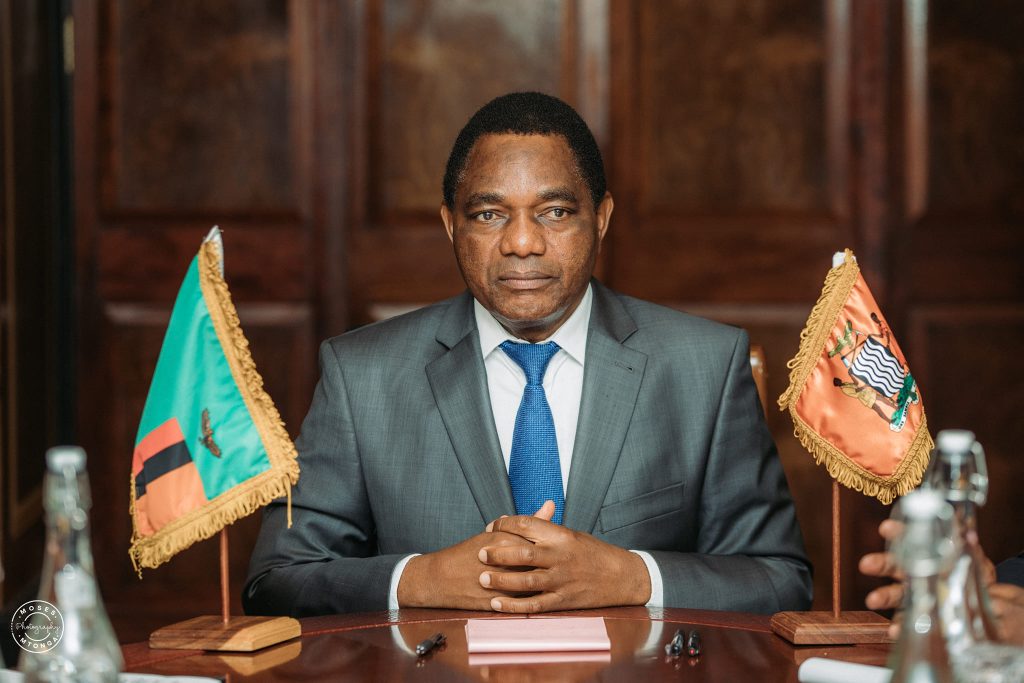


Delegates from four countries and the European Union joined Zambian officials in Chilanga this week for a two-day dialogue on financial crime, as Attorney General Mulilo Kabesha set out three specific priorities for the country’s new public-private partnership against money laundering.
By The Zambian Economist Analyst
KEY TAKEAWAYS
- Zambia’s two-day Public-Private Sector Dialogue on financial crime, held at Sandy’s Creations in Chilanga, drew delegates from Liberia, Zimbabwe, South Africa, the United States and the European Union alongside Zambian stakeholders.
- Attorney General Mulilo Kabesha named three priorities for the new AML/CFT/CPF partnership: faster information sharing, converting information into actionable intelligence, and coordinated action to protect the economy and mineral wealth.
- Accountant General Nsandi Manza linked the initiative to the Grow Zambia Agenda, saying illicit financial flows reduce the resources available for development.
- Financial Intelligence Centre Director General Clement Kapalu said mining sector financial flows and supply chains are vulnerable to corruption, fraud, tax evasion, smuggling and money laundering.
- The dialogue follows this week’s launch of the partnership itself and builds on Zambia’s recent upgrade to compliant or largely compliant status on 38 of 40 Financial Action Task Force recommendations.
Delegates compare notes on a shared problem
Zambia’s Public-Private Sector Dialogue on Anti-Money Laundering, Countering the Financing of Terrorism and Counter-Proliferation Financing (AML/CFT/CPF) ran for two days at Sandy’s Creations in Chilanga, bringing together government agencies, banks, mining companies and other private-sector players from across Zambia. International delegates from Liberia, Zimbabwe, South Africa, the United States and the European Union joined the sessions to share how their own jurisdictions handle similar risks.
Financial crime rarely stays inside one country’s borders. A launderer moving proceeds through a Zambian bank account, a regional trading company or a cross-border property deal can just as easily be operating out of Harare or Johannesburg, which is part of why the dialogue was built around comparing practical approaches rather than presenting a single national plan.
Three priorities, stated plainly
Attorney General and Anti-Money Laundering Authority Chairperson Mulilo Kabesha used his address to narrow the partnership’s mandate to three tasks: stronger and faster information sharing, converting that information into actionable intelligence, and coordinated action to protect Zambia’s economy and mineral wealth from criminal exploitation.
Kabesha described financial crime as, in large part, a battle for information. Banks, professional service providers, regulators, civil society, law enforcement agencies, prosecutors, the judiciary and businesses each hold a different piece of the picture, and no single institution sees the whole chain. He urged participants to make sure the dialogue produced practical, measurable results rather than a further round of talks.
He also called on businesses to treat AML/CFT/CPF compliance as an investment in the economy’s long-term integrity rather than a regulatory box to tick, and asked regulators to keep supervision risk-based and proportionate to the size and nature of the institutions they oversee.
Manza: illicit flows work against the Grow Zambia Agenda
Ministry of Finance and National Planning Accountant General Nsandi Manza, who chairs the National AML/CFT/CPF Task Force, told the dialogue that the partnership supports the Grow Zambia Agenda, which places prudent financial management, domestic resource mobilisation, investment and job creation at the centre of the government’s economic plan.
Illicit financial flows cut into the money available for development and work against sustainable, inclusive growth, Manza said, which is why tackling them needs coordinated action rather than separate efforts by government and business. She described the private sector’s role as identifying and reporting suspicious transactions, with government responsible for the policy, regulatory, supervisory, intelligence and enforcement frameworks around that reporting. She said the forum should move past discussion toward concrete information sharing, capacity building, joint initiatives and practical solutions.
FIC: mining supply chains are the exposed link
Financial Intelligence Centre Director General Clement Kapalu said the launch marks an important step in strengthening Zambia’s AML/CFT/CPF framework, and pointed specifically to mining sector financial flows and supply chains as vulnerable to corruption, fraud, tax evasion, smuggling and money laundering.
That vulnerability is what makes the dialogue’s exchange of information on emerging risks, typologies and trends more than an academic exercise. Kapalu said the partnership’s success will ultimately depend on whether participating institutions can turn information into intelligence, and intelligence into action, echoing Kabesha’s own framing of the challenge.
Why the mineral link matters beyond the conference room
Zambia’s push to expand copper output and position itself in minerals used for electric vehicles and renewable energy also expands the value moving through the accounts, contracts and shipments that financial criminals target. Revenue lost to laundering, tax evasion or smuggling in that chain is revenue that does not reach the treasury, and by extension does not fund public services or the infrastructure the Grow Zambia Agenda is meant to finance.
For banks, auditors, commodity traders and logistics firms operating in the mineral value chain, the priorities set out this week point toward closer reporting obligations and faster cooperation with the Financial Intelligence Centre. For investors weighing Zambia’s mining sector, a functioning AML/CFT/CPF framework is also a governance signal: it speaks to whether the institutions around the resource, not just the resource itself, can be relied on.
What happens next
Kabesha’s call for practical and measurable results sets a bar the partnership will be judged against once the delegates have gone home. International experience-sharing is only useful if it changes how quickly a Zambian bank flags a suspicious transaction, how fast the Financial Intelligence Centre can act on it, and whether a resulting case reaches court. Zambia’s improved standing with the Financial Action Task Force gives the partnership a credible starting point, but Kapalu’s own measure, information turned into intelligence and intelligence turned into action, is the one that will determine whether this week’s dialogue changes outcomes or simply adds to the record of meetings held.
Related reading: Attorney General Kabesha Launches Public-Private Partnership to Fight Money Laundering and Mining Licences Surge: 2,375 Issued in 2025, and What’s Driving the Boom.
WARNING! All rights reserved. This material and all other digital content on this website may not be reproduced, published, broadcast, rewritten, or redistributed, in whole or in part, without the prior express permission of The Zambian Economist. Where permission is granted, the content must be clearly credited to “The Zambian Economist,” with “www.zambianeconomist.com” prominently displayed.
WhatsApp: +260775574228 | Email: info@zambianeconomist.com
© 2026 The Zambian Economist.