
By The Zambian Economist Analyst
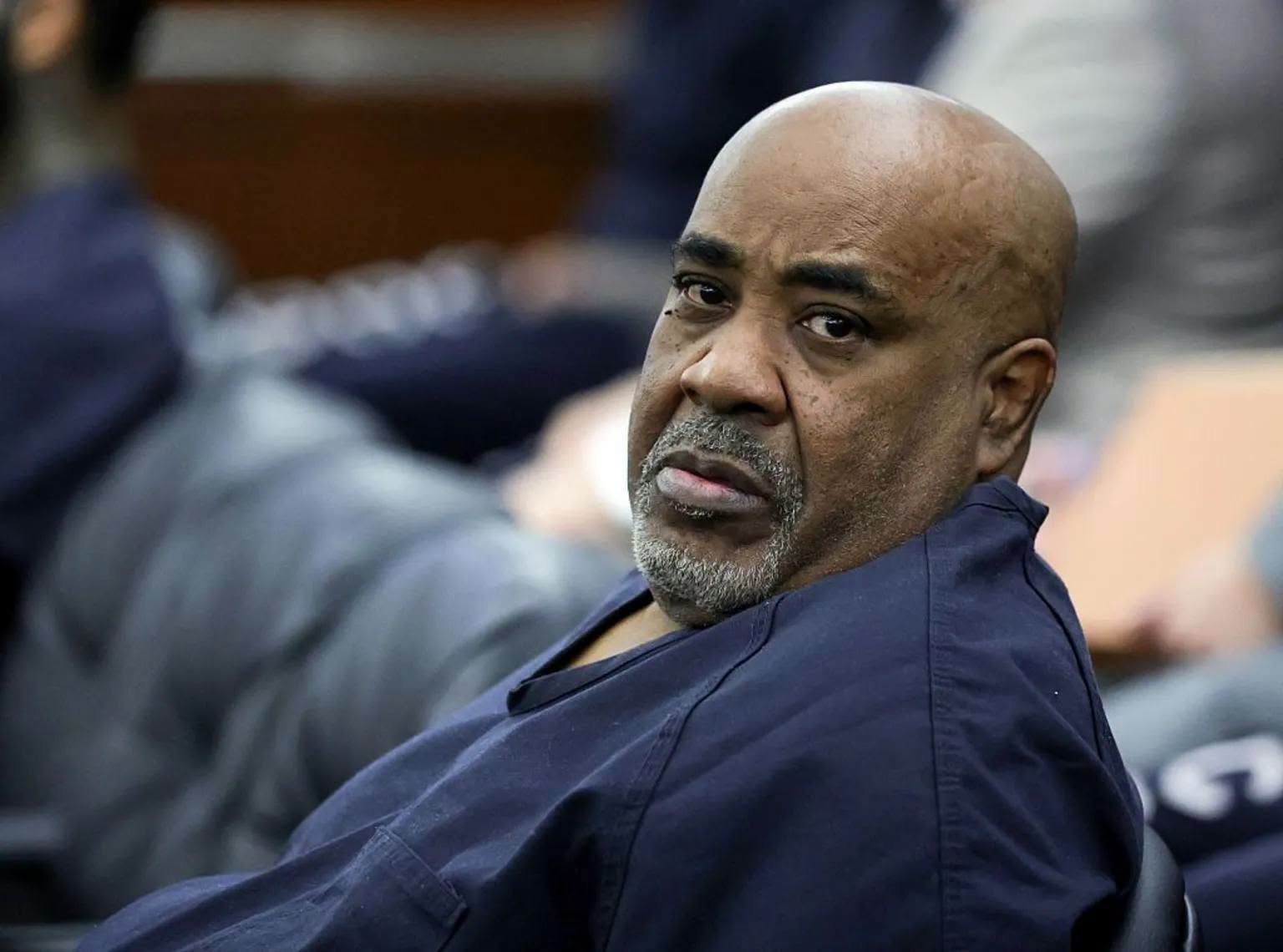
Jury selection has begun in Las Vegas for Duane “Keffe D” Davis, the only person charged over the 1996 killing of rap star Tupac Shakur. Davis has pleaded not guilty and is presumed innocent unless and until proven guilty in court.
Nearly 30 years after gunfire struck Tupac Shakur on a Las Vegas street, a jury is being selected to decide whether Duane Davis helped organise the attack. The case may finally put sworn testimony and courtroom scrutiny around a story that has lived for decades in music, memoirs, documentaries and conspiracy theories.
Jury selection began on Monday, 10 August 2026, in Clark County District Court. Opening arguments are expected to begin on 17 August. Davis, 63, faces one count of murder with a deadly weapon with the intent to promote, further or assist a criminal gang. If convicted, he could spend the rest of his life in prison without the possibility of parole.
The only person charged in the case
Prosecutors do not allege that Davis fired the shots. Their case is that he helped arrange the confrontation and supplied the gun used in the drive-by shooting. They say his own public statements, a police interview and passages from his memoir help connect him to the killing.
The defence rejects that account. Davis has pleaded not guilty, and his lawyers argue that there is no physical evidence proving he directed the shooting. They also say material in his memoir, Compton Street Legend, was partly fictionalised and shaped to sell books and attract media attention.
That distinction will be central to the trial. A public story told for publicity is not automatically a reliable confession, but prosecutors are entitled to ask a jury to consider whether particular details were admissions against interest. The jury must decide what is credible, what is corroborated and whether the state has proved every element of the charge beyond a reasonable doubt.
What happened on 7 September 1996
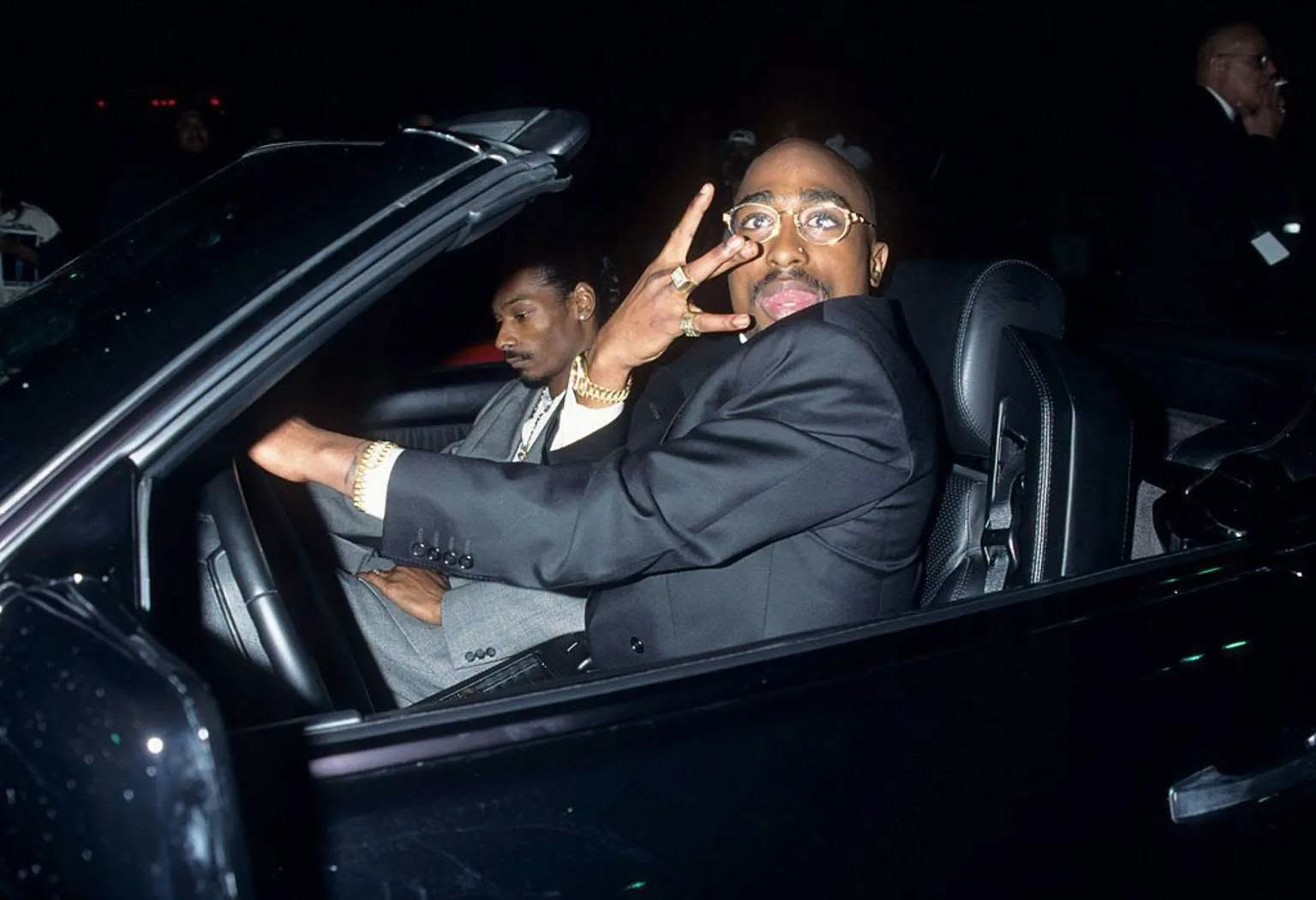
Tupac and Death Row Records co-founder Marion “Suge” Knight attended the Mike Tyson and Bruce Seldon boxing match at the MGM Grand in Las Vegas. After the fight, hotel surveillance footage captured Tupac and members of his entourage attacking Orlando Anderson, who police identified as an alleged member of the South Side Compton Crips.
Roughly three hours later, Tupac was riding in the passenger seat of Knight’s BMW near the Las Vegas Strip when a white Cadillac pulled alongside the vehicle. Gunfire erupted. Tupac was struck four times. Knight was wounded but survived. Tupac died six days later, on 13 September 1996, aged 25.
Investigators questioned Anderson within weeks. He denied involvement and was never charged. Anderson was killed in an unrelated shooting in 1998. For years, Las Vegas police said witnesses would not cooperate, while people around Tupac argued that investigators had treated them as suspects and failed to pursue important leads.
From a music rivalry to lethal street conflict
The killing unfolded during an era when two different conflicts had become dangerously entangled. Los Angeles was living with violent rivalry between the Bloods and Crips street gangs. At the same time, American hip-hop was being marketed through an increasingly bitter East Coast versus West Coast narrative.
Death Row Records, home to Tupac, Snoop Dogg and Dr Dre, became a symbol of the West Coast. Bad Boy Records, founded by Sean “Diddy” Combs and associated with the Notorious B.I.G., represented New York’s commercial resurgence. Headlines, interviews and diss tracks amplified the contest until entertainment, business competition, personal disputes and neighbourhood violence were often discussed as if they were one story.
The irony is that Tupac was born in New York. He later moved to northern California and became strongly identified with Southern California after signing with Death Row. His life never fitted neatly into the simplified coastal rivalry that surrounded him.
The evidence at the centre of the trial
The prosecution’s challenge is unusual. The crime is almost three decades old, physical evidence is limited and several people linked to the events have died. The state’s case therefore leans heavily on words Davis has spoken or published over the years.
A judge has ruled that prosecutors may use Davis’s memoir and a 2008 police interview at trial. Davis has argued that the interview was given under an immunity arrangement. Prosecutors say the information was later repeated publicly and that the book can be considered alongside other evidence. The court’s ruling permits the material to be presented; it does not decide whether it is true or whether Davis is guilty.
Suge Knight has long been described as the last surviving eyewitness from the BMW. Whether he gives evidence, and what weight a jury would place on any testimony, will be determined through the trial process. A witness list is not proof, and the appearance of a famous name does not change the prosecution’s burden.
What the trial can and cannot settle
A verdict can answer the criminal charge before this jury. It cannot resolve every rumour attached to Tupac’s death, explain every decision made during the original investigation or settle every conspiracy theory built over 30 years.
The court will focus on admissible evidence and the specific allegation against Davis. That is narrower than the cultural mythology, but it is also more disciplined. Jurors will be instructed to separate evidence from entertainment, memory from reconstruction, and reasonable inference from speculation.
The case is expected to last several weeks. Testimony could revisit the MGM Grand fight, gang associations, the route taken by the vehicles, the police investigation and the circumstances in which Davis made statements about that night.
A cultural legacy that became an enduring business
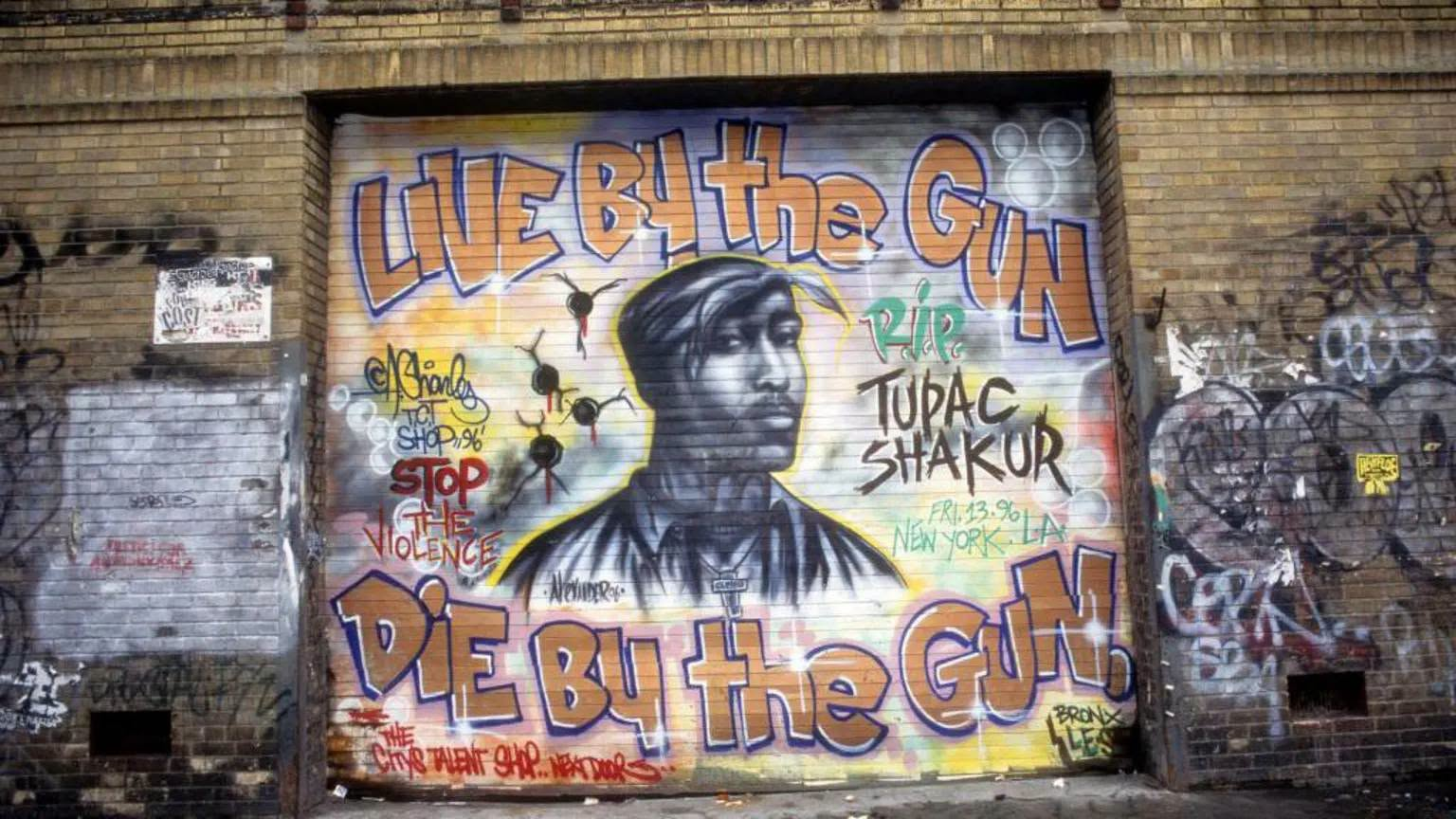
Tupac’s death froze him at 25, but it did not freeze the commercial life of his work. His recordings, publishing rights, image, documentaries, films, exhibitions and licensed merchandise became part of a global cultural economy. New listeners continue to discover his music through streaming services, social media and film soundtracks.
That afterlife shows why the business architecture around an artist matters. Music is not only performance. It is also ownership of master recordings, songwriting rights, publishing administration, contracts, royalties, trademarks, image rights, archives and estate planning. When those foundations are unclear, the artist’s family may struggle while intermediaries continue to earn from the catalogue.
Violence also carries an economic cost that is easily hidden behind celebrity. It can end a creative career, destroy future production, destabilise employees and families, damage brands, divert money into litigation and leave communities paying for trauma long after headlines fade.
Lessons for Zambia’s creative economy
For Zambia’s musicians, producers, managers and promoters, the Tupac story is distant in geography but relevant in principle. Our creative industries need stronger contracts, transparent royalty accounting, professional security, conflict management and reliable records of ownership.
An emerging artist should know who owns the master recording, who controls distribution, how songwriting shares are divided, what a manager may deduct and how income will reach the family if tragedy occurs. Verbal promises may feel friendly at the beginning of a career, but written agreements protect relationships when money and fame arrive.
Promoters and venue operators also have a commercial duty to assess security risks without turning entertainment spaces into places of intimidation. Good security planning protects audiences, workers, artists and the long-term reputation of the industry.
At The Zambian Economist, our purpose is to bring economic issues closer to the people. The economics of culture includes not only sales and streaming, but also rights, risk, reputation, employment and the value that creative work can generate across generations.
Responsible coverage matters
Because Davis is on trial, careful language is essential. He is accused, not convicted. His not-guilty plea means the allegations must be tested before an impartial jury. Reporting should distinguish what prosecutors allege, what the defence disputes and what the court has actually ruled.
Readers should also be cautious about viral clips that present speculation as evidence. Court proceedings, filed decisions and reporting from identifiable news organisations provide a better foundation than anonymous posts or edited videos.
What happens next
The immediate task is to select jurors who can consider the evidence fairly despite the case’s fame. Opening arguments are expected on 17 August, after which prosecutors will begin calling witnesses and presenting exhibits. The defence will test that evidence through cross-examination and may present its own witnesses.
Whatever the verdict, the trial marks a significant moment in one of popular culture’s most enduring criminal cases. It also places a sober question behind the legend: can evidence gathered across decades meet the demanding standard required for a murder conviction?
Key takeaways
• Jury selection: Began in Las Vegas on 10 August 2026.
• The accused: Duane “Keffe D” Davis, 63, has pleaded not guilty.
• The allegation: Prosecutors say he helped organise the shooting and supplied the weapon; they do not allege that he fired it.
• The defence: His lawyers dispute the evidence and say parts of his memoir were fictionalised.
• The standard: Davis is presumed innocent unless prosecutors prove guilt beyond a reasonable doubt.
• The wider lesson: Artist safety, contracts, rights ownership and estate planning are economic issues as well as entertainment matters.
Sources and further reading
This feature draws on current court reporting by the Associated Press, AP’s trial backgrounder, its report on the evidence ruling, the Clark County District Court trial calendar, and background reporting supplied to the newsroom from BBC News.
Editorial note: This article reports allegations and court proceedings. Duane Davis has pleaded not guilty and is presumed innocent unless and until proven guilty in a court of law. Dates and trial arrangements may change by order of the court.
WARNING! All rights reserved. This material and all other digital content on this website may not be reproduced, published, broadcast, rewritten, or redistributed, in whole or in part, without the prior express permission of The Zambian Economist. Where permission is granted, the content must be clearly credited to “The Zambian Economist,” with “www.zambianeconomist.com” prominently displayed.
WhatsApp: +260775574228 | Email: info@zambianeconomist.com
© 2026 The Zambian Economist.