By Zambian Economist Analyst
Zambia’s current account is projected to swing from a modest surplus in 2026 to a much wider one in 2027, powered almost entirely by copper. Here is what that means for reserves and the kwacha.
The Surplus Nobody Is Talking About
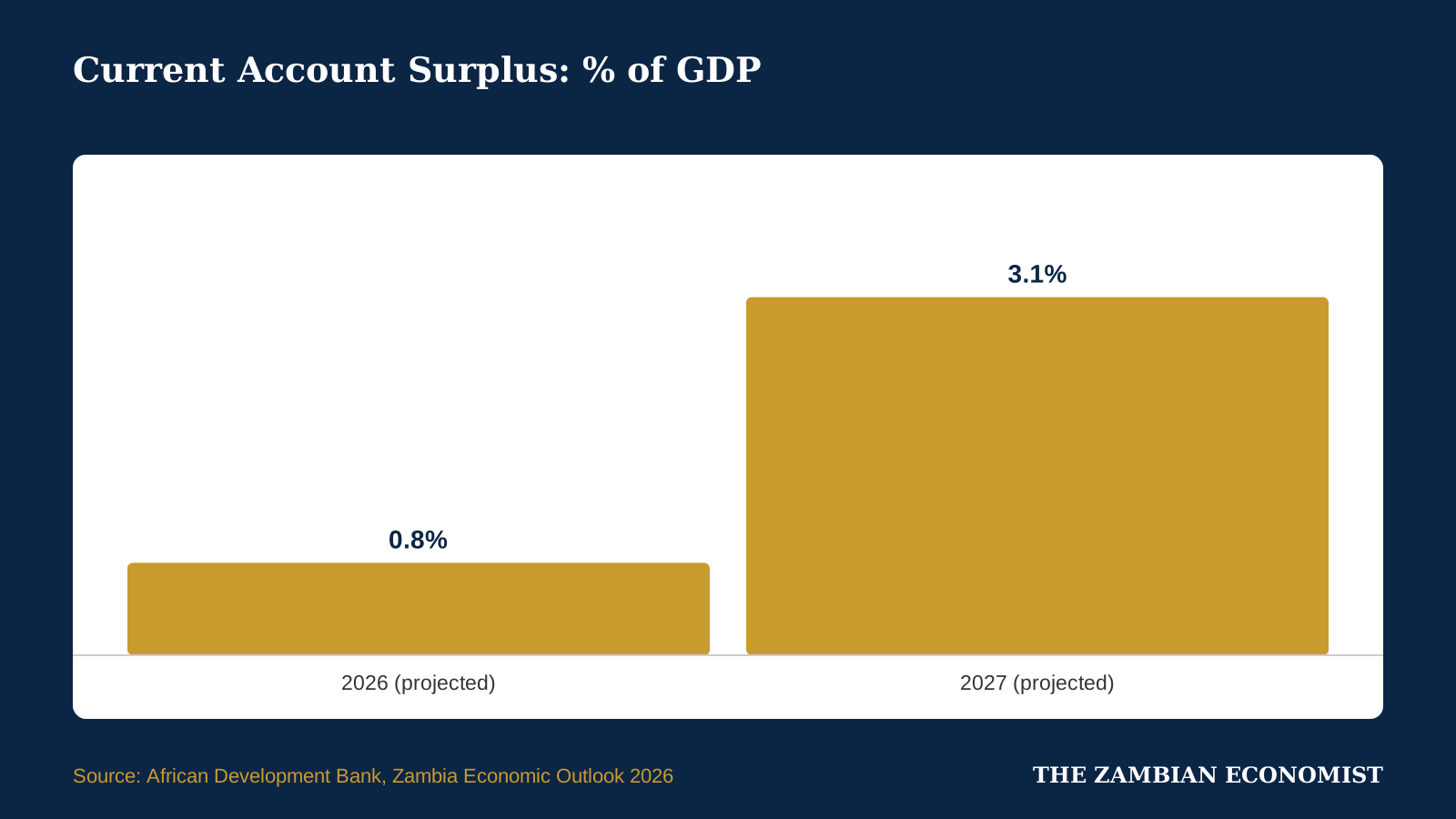
While campaign coverage has focused on jobs, prices and power, one number has moved quietly in Zambia’s favour: the current account. The African Development Bank projects a surplus of 0.8% of GDP in 2026, widening to 3.1% in 2027, driven by higher copper export earnings on the back of strong global prices.
What Is Actually Driving It
A current account surplus means Zambia is earning more from exports, remittances and income abroad than it is spending on imports and payments abroad. With copper generating around 70% of export earnings, the recent rally in benchmark copper futures toward $14,000 a tonne feeds directly into the trade balance. The capital and financial account, by contrast, is roughly balanced: foreign direct investment inflows from Canada, Australia, the UK, China and the US are offsetting the amortisation of Eurobonds and other commercial debt.
Where the Money Goes
The practical consequence of a current account surplus is that it builds foreign exchange reserves. Zambia’s reserves are already slightly above the standard benchmark of four months of import cover, and a widening surplus in 2027 would extend that buffer further, giving the central bank more room to manage kwacha volatility without drawing reserves down sharply.
| Metric | 2026 (projected) | 2027 (projected) |
|---|---|---|
| Current account (% of GDP) | +0.8% | +3.1% |
| Real GDP growth | 5.0% | 6.3% |
| Copper share of export earnings | ~70% | |
Business and Investor Implications
A widening surplus, if it materialises as projected, is one of the more supportive backdrops for kwacha stability heading into 2027. For importers, that argues against assuming further currency depreciation is inevitable. For exporters outside mining, it is a reminder that the surplus is narrowly sourced: agriculture, tourism and manufacturing exports remain a small share of the total by comparison with copper.
Key Takeaways
- Zambia’s current account is projected to move from a 0.8% surplus in 2026 to 3.1% in 2027.
- Higher copper export earnings, not non-mining exports, are the main driver.
- The surplus supports foreign exchange reserves already slightly above the four-months-of-imports benchmark.
Related reading: Why a Strong Kwacha Is Not Always Good News for Zambia and Copper and the Kwacha: How the Link Actually Works