
At a Johannesburg Chamber of Commerce and Industry forum, Zambia presented itself as a platform for regional expansion, with debt restructuring, energy reform and productive-sector investment at the centre of the case.
Key Takeaways
- Zambia presented its investment case to South African business leaders at a JCCI forum in Johannesburg on 20 August 2026.
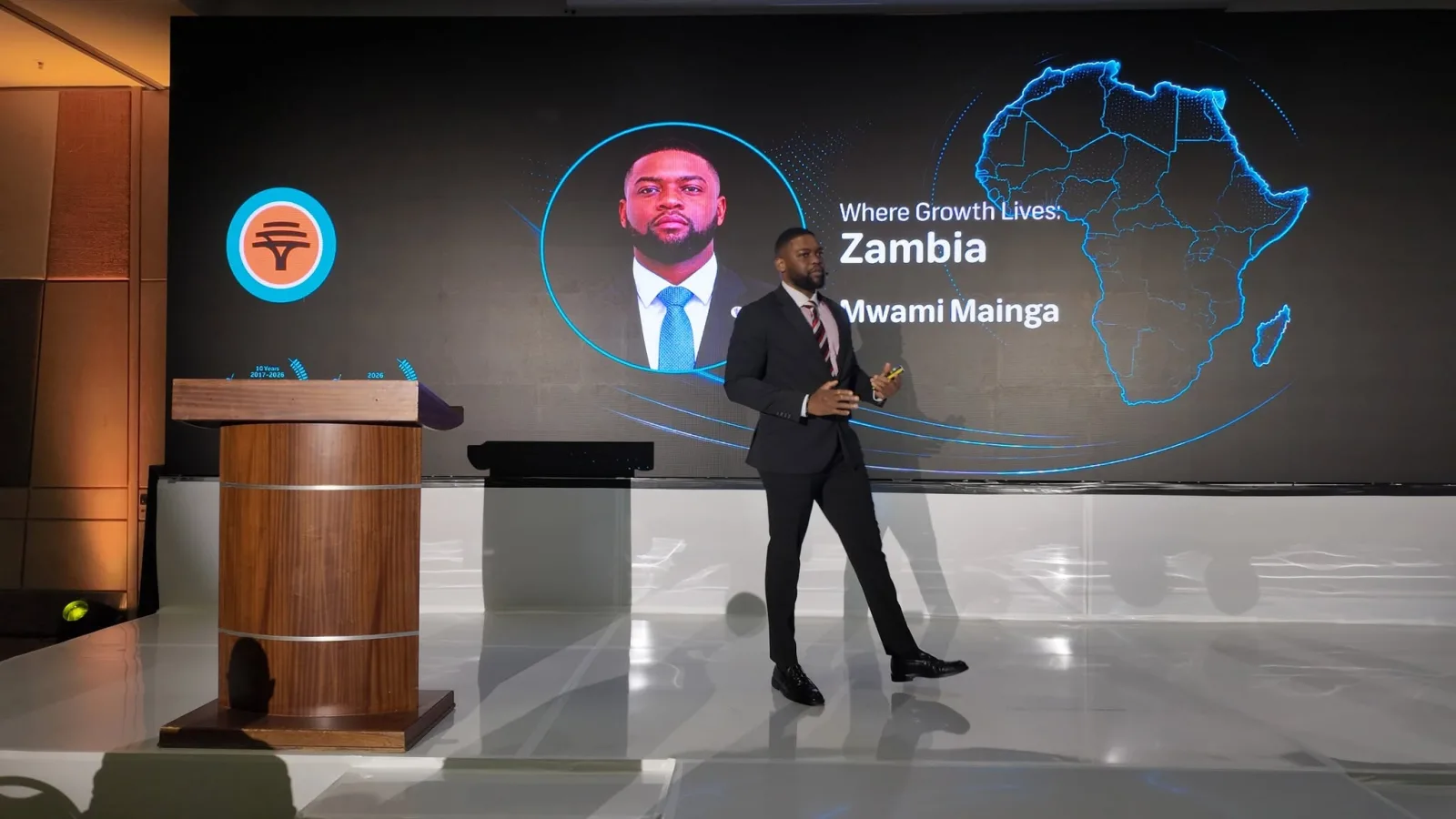
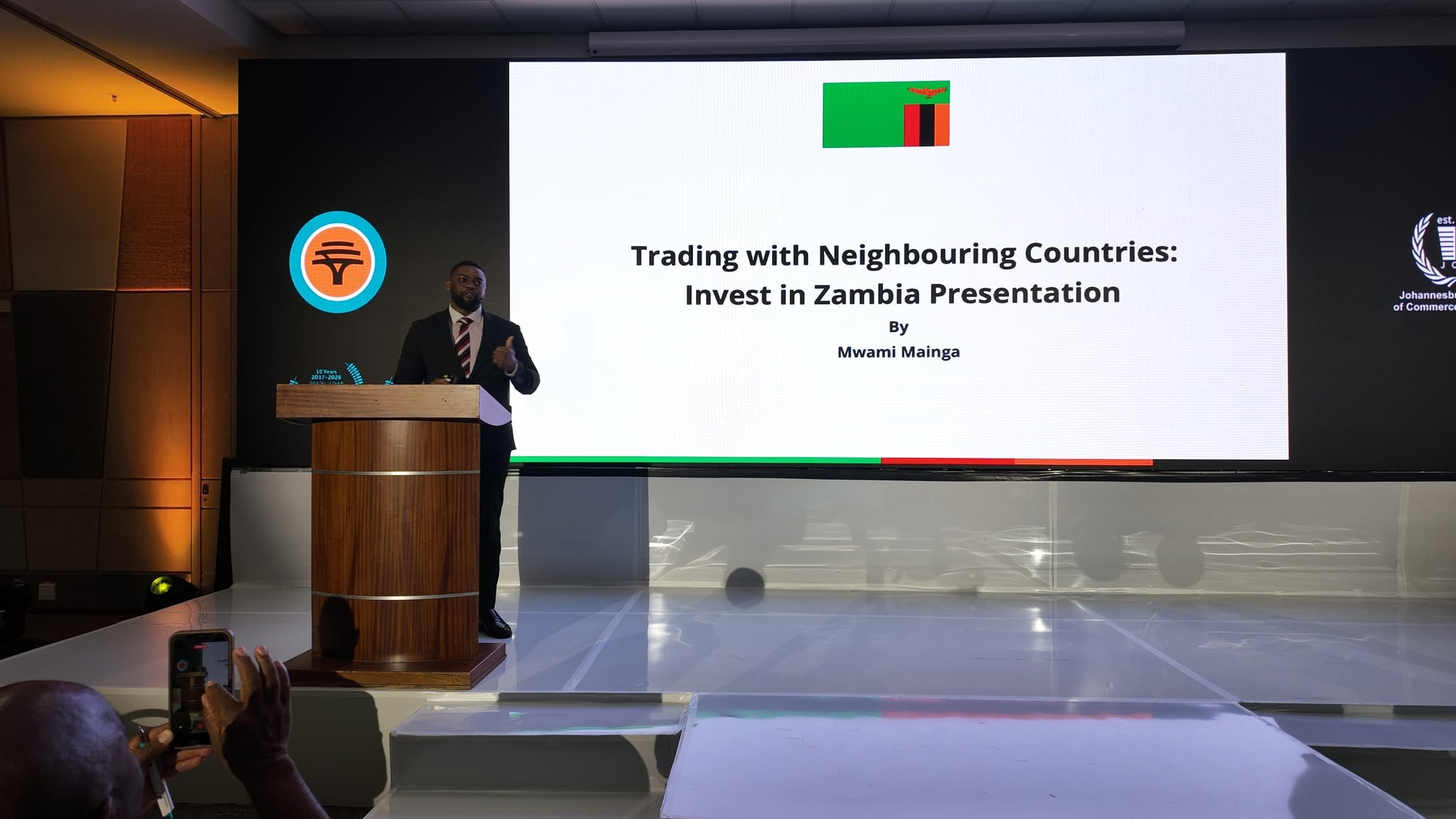
- Mwami Mainga, First Secretary for Trade and Economics at the Zambia High Commission in Pretoria, led the country’s headline presentation.
- Debt restructuring agreements now cover about 94% of Zambia’s restructuring perimeter, strengthening the macroeconomic story while debt and power risks remain.
- The investment test is whether Zambia can convert diplomatic visibility into bankable projects, reliable energy, predictable rules and durable commercial partnerships.
JOHANNESBURG: Zambia has taken its investment message directly to one of Southern Africa’s most influential business communities, using a high-level trade forum in Johannesburg to present opportunities, explain the country’s changing economic position and invite South African firms to look north for their next phase of regional growth.
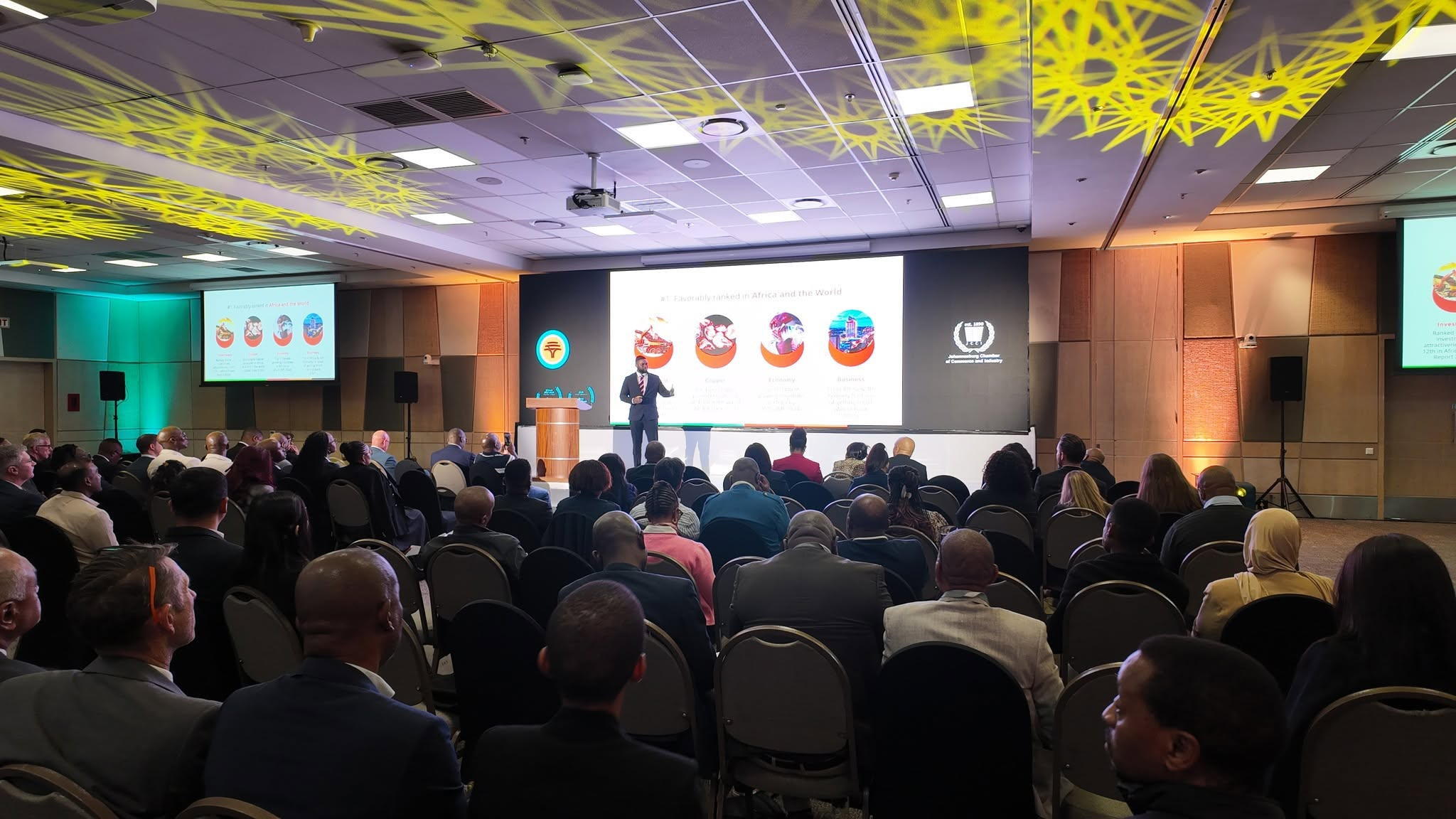
The Johannesburg Chamber of Commerce and Industry hosted “Trading with Neighbouring Countries and Zambia” at FNB Fairlands on 20 August 2026. The programme brought together chamber leaders, diplomats and company representatives to examine cross-border commerce and the practical conditions required for stronger regional business links.
Zambia was represented by Mwami Mainga, First Secretary for Trade and Economics at the Zambia High Commission in Pretoria. According to information supplied by the High Commission, Mainga delivered one of the headline presentations and encouraged South African businesses to consider Zambia both as an investment destination and as a base for expansion into the wider region.
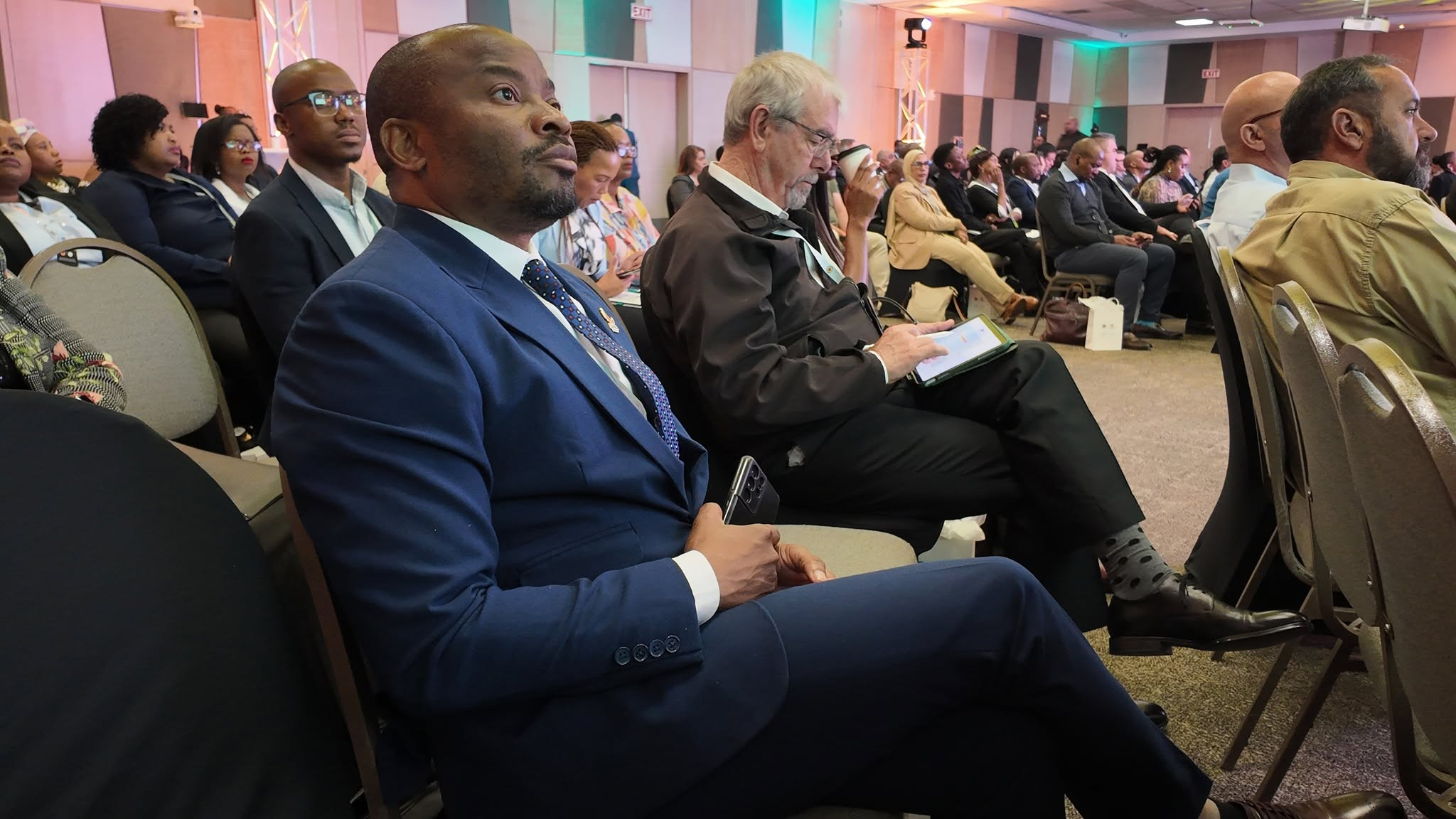
JCCI President Caren Sutherns and representatives of the South African business community attended the engagement, placing Zambia’s proposition before an audience with capital, operating experience and established regional networks.
Zambia’s pitch: a platform for regional expansion
The significance of the presentation lies in the shift from promoting Zambia as a collection of stand-alone projects to presenting it as a regional commercial platform. For South African companies, the opportunity is not limited to selling into a single market. It includes establishing production, distribution and service operations that can connect with neighbouring economies and the broader African Continental Free Trade Area.
That case is strongest where Zambia’s natural resources, central location and unmet infrastructure needs intersect. Mining and mineral processing remain central, but the more diversified opportunity extends to electricity generation and transmission, agribusiness, food processing, logistics, tourism, manufacturing and business services.
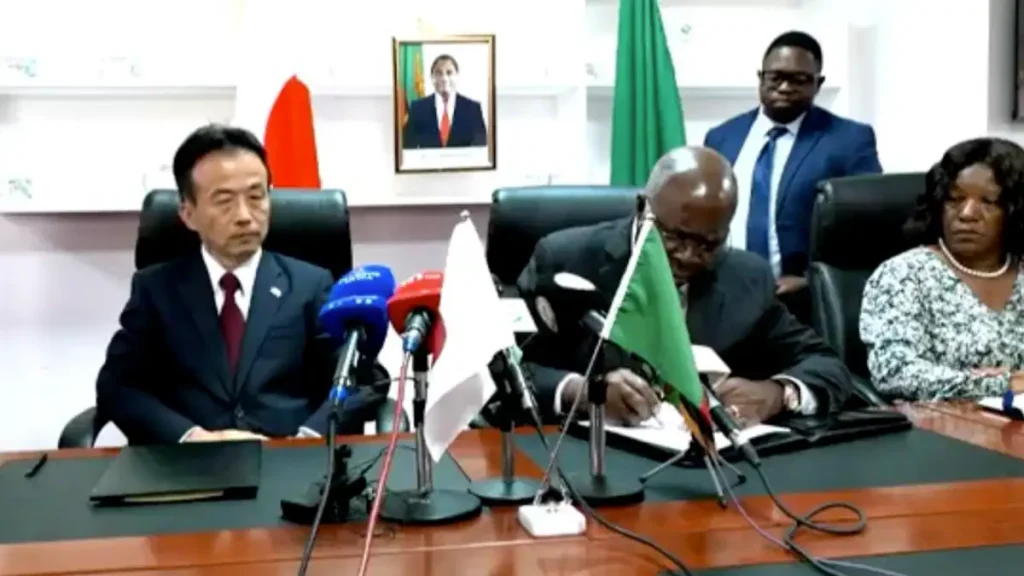
The diplomatic relationship provides a foundation for that commercial work. Zambia’s Ministry of Foreign Affairs and International Cooperation has identified trade, infrastructure, energy and mining among the areas already connecting the two countries, while calling for stronger intra-African trade and regional cooperation.
Why Johannesburg matters
Johannesburg is a natural place to make the pitch. It is home to corporate headquarters, banks, professional-services firms, distributors and investors whose decisions shape supply chains across Southern Africa. A business that already understands the region can often evaluate a Zambian opportunity faster than an investor approaching the market for the first time.
The advantage is practical. South African firms can bring technical capability, project finance, supplier networks and management experience. Zambia can offer demand for infrastructure, access to strategic commodities, agricultural potential and a location linking several regional markets.
Yet proximity does not guarantee investment. Businesses still compare power reliability, transport costs, tax administration, access to foreign exchange, regulatory consistency and the time required to obtain approvals. Economic diplomacy earns its value when it reduces those uncertainties and introduces investors to credible local partners and properly prepared projects.
Debt restructuring changes the conversation, not the investment test
Zambia’s debt restructuring featured prominently in the regional economic discussion. It matters because the long-running process had clouded the country’s outlook, constrained fiscal choices and complicated investor assessments of sovereign risk.
The position has improved materially. In its May 2026 assessment, the International Monetary Fund said restructuring agreements covered about 94% of the perimeter. It also reported international reserves of US$6.4 billion, equivalent to 4.4 months of imports, and inflation of 6.8% in April, within the Bank of Zambia’s target range.
Those indicators give investors a more stable starting point, but they are not a substitute for project economics. The IMF still described Zambia as being at high risk of debt distress and revised its 2026 growth forecast to 4.3%, citing weaker mining performance, energy constraints, softer trade and global spillovers.
The message for investors is therefore balanced. Zambia has made meaningful progress in restoring macroeconomic order, but investment returns will still depend on execution at company and sector level. A stronger sovereign story can lower uncertainty; it cannot make an unreliable power supply, delayed licence or poorly structured project disappear.
Where the strongest investment cases may emerge
Current reform priorities point to several areas where South African capital and operating expertise could match Zambian demand:
- Energy: New generation, transmission, storage and efficiency projects can address a binding constraint on mines, factories and households.
- Mining and mineral value addition: Copper expansion creates demand for engineering, equipment, services and processing capacity beyond extraction.
- Agribusiness: Irrigation, storage, cold chains, processing and distribution can convert agricultural potential into more reliable commercial output.
- Logistics and regional supply chains: Warehousing, transport technology and corridor services can make Zambia’s central location economically useful.
- Tourism and light manufacturing: These sectors can diversify exports and create jobs if investment is matched by infrastructure, skills and market access.
Energy deserves particular attention because it is both a constraint and an investable market. The World Bank’s 2026 economic update argues that reforming the electricity sector is foundational to private investment, productivity and jobs. For a prospective investor, the power question belongs near the start of due diligence, not at the end.
The strongest propositions will therefore be those that solve real production bottlenecks, have clear revenue models and can withstand realistic assumptions about electricity, logistics, finance and regulation.
From conference contact to bankable transaction
High-level forums are useful because they create access, but attendance is not an investment outcome. The next stage requires disciplined follow-through by investment agencies, diplomats, local firms and project sponsors.
Prospective investors need sector-specific information, named counterparties, transparent approval pathways and data rooms containing credible financial and technical material. Zambian businesses need support to become investment-ready, including stronger governance, audited accounts, realistic valuations and clear partnership proposals.
A practical post-forum agenda would convert expressions of interest into a managed pipeline: identify the firms that showed serious interest, match them with vetted opportunities, establish deadlines for due diligence and track the obstacles that prevent decisions.
This is also where policy credibility is tested. Investors will listen to presentations, but they will commit capital only when the rules appear predictable and public institutions can resolve problems consistently.
Economic diplomacy must produce commercial follow-through
The Johannesburg engagement gave Zambia another opportunity to explain its economic position directly to the South African business community. That matters at a time when the country is seeking to move from debt crisis management towards private-sector-led growth.
The investment narrative is more credible than it was when debt negotiations were unresolved and inflation was far above target. It is not yet complete. Reliable electricity, regulatory consistency, efficient borders and bankable projects will determine whether renewed confidence becomes factories, mines, farms, services and jobs.
For Zambia, the real measure of success will not be the number of investment presentations delivered. It will be the number of serious contacts that progress into due diligence, signed commitments and productive assets on the ground.
Editor’s note: The event information and photographs used in this article were supplied by the Zambia High Commission in Pretoria. The article was independently rewritten and expanded by The Zambian Economist. The High Commission retains credit for the source information and images. Additional economic context was drawn from the Johannesburg Chamber of Commerce and Industry, the International Monetary Fund, the World Bank and Zambia’s Ministry of Foreign Affairs and International Cooperation.
Related coverage: Read our analysis of economic diplomacy and diversification, Zambia’s power deficit and its cost to business, and the 2026 business guide to Zambia’s economy.
WARNING! All rights reserved. This material and all other digital content on this website may not be reproduced, published, broadcast, rewritten, or redistributed, in whole or in part, without the prior express permission of The Zambian Economist. Where permission is granted, the content must be clearly credited to “The Zambian Economist,” with “www.zambianeconomist.com” prominently displayed.
WhatsApp: +260775574228 | Email: info@zambianeconomist.com
© 2026 The Zambian Economist.