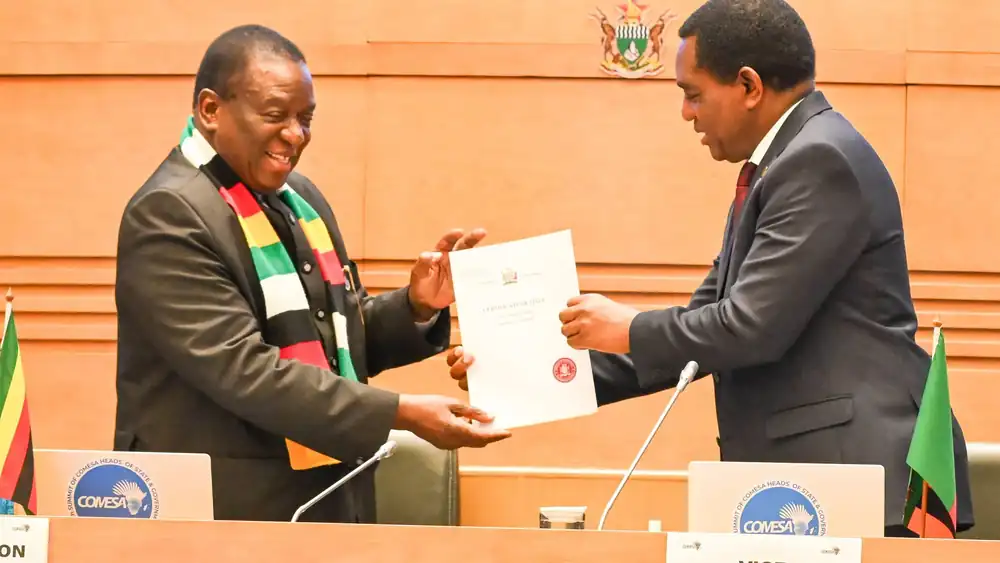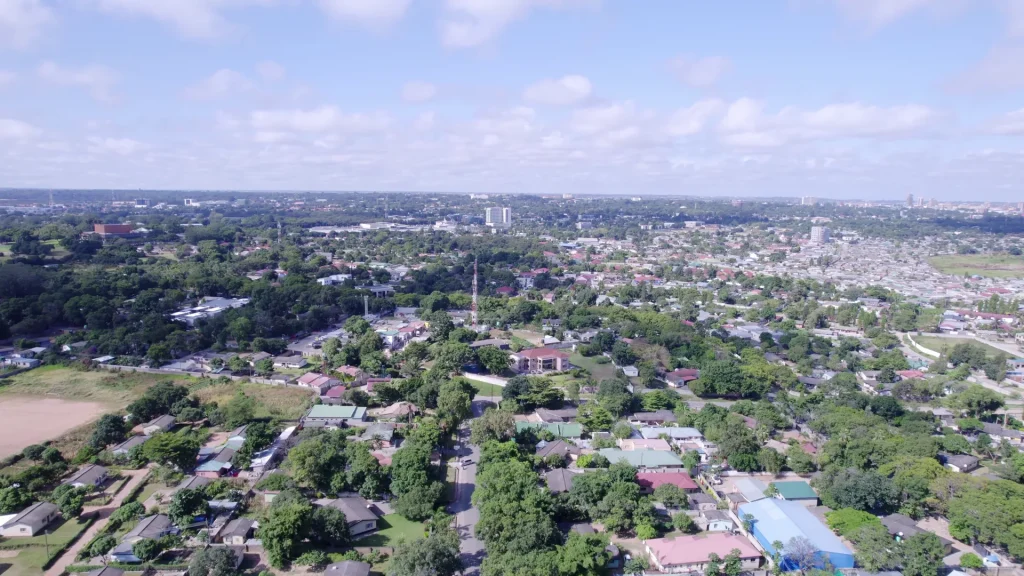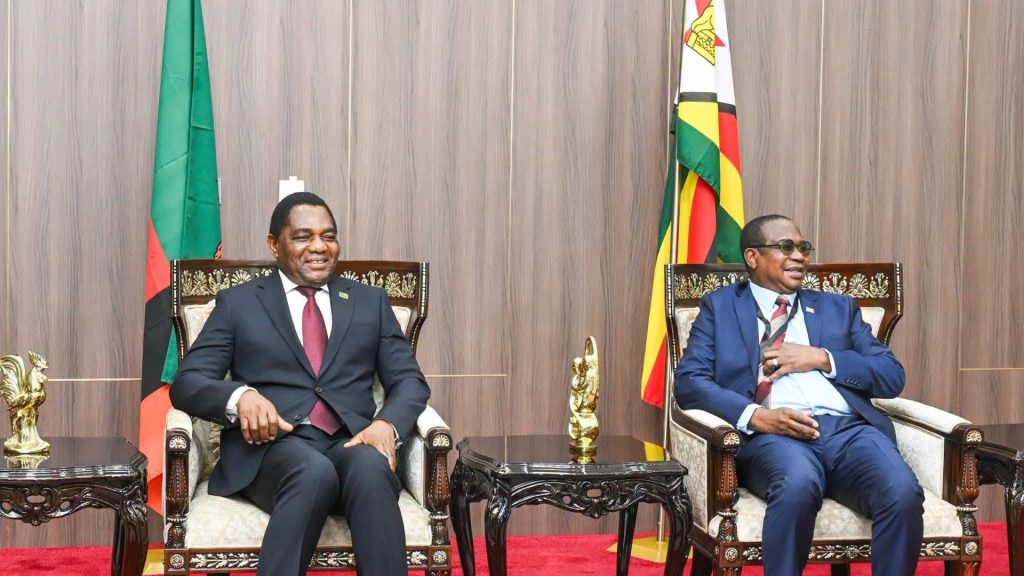


Zambia Police has attributed restrictions at selected courts and government offices to an ongoing security assessment, describing the operation as preventive and intelligence-led.
Key takeaways
- Zambia Police says security risk assessments are taking place at selected government premises across the country.
- The operation covers premises linked to the ministries of Justice and Home Affairs, the National Prosecution Authority, the Attorney General’s Chambers and other institutions.
- Police describe the exercise as preventive and not directed at any individual or group.
- The statement does not identify a specific threat, give a reopening timetable or explain arrangements for urgent court filings.
Zambia Police has explained the security operation that restricted access to courts and other public offices on Monday, saying officers and partner agencies are assessing risks at selected government premises across the country.
The explanation follows the closure of High Court and Constitutional Court premises in Lusaka and other centres on 24 August. The restrictions drew particular attention because they coincided with the reported deadline for opposition leader Brian Mundubile to challenge the 13 August presidential election result. The Zambian Economist reported the closures and their legal context earlier on Monday.
Which government premises are covered?
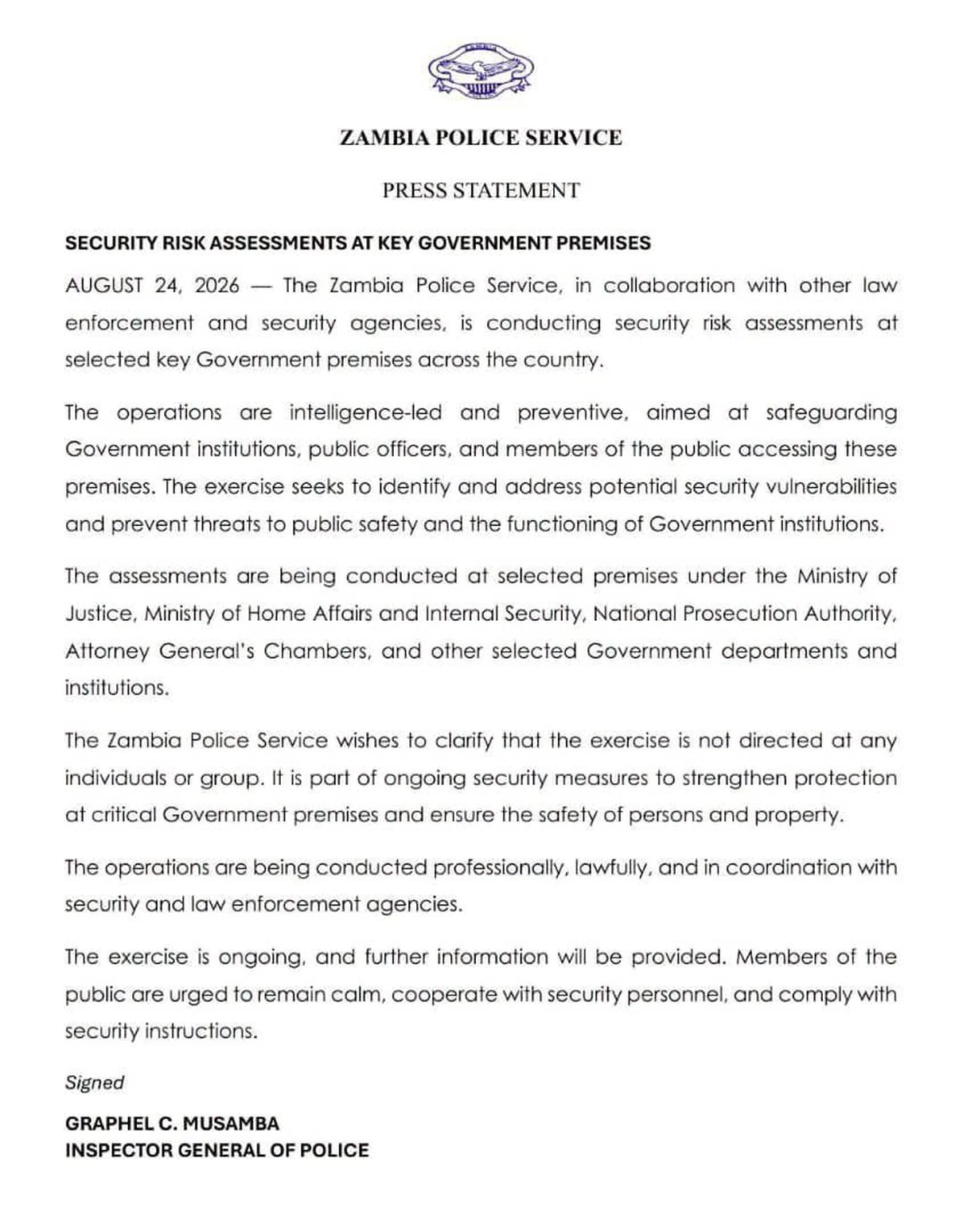
The statement, signed by Inspector General of Police Graphel Musamba, says the assessments cover selected premises under the Ministry of Justice, the Ministry of Home Affairs and Internal Security, the National Prosecution Authority and the Attorney General’s Chambers. Other government departments and institutions are also included.
Police describe the exercise as an intelligence-led attempt to identify security vulnerabilities, protect public officers and visitors, and prevent disruption at critical institutions. The operation is continuing, and the public has been asked to cooperate with officers at affected premises.
The Zambia Police Service describes its Protective Unit as responsible for guarding vital installations and government buildings, conducting threat-assessment reviews and recommending protection measures.
What the statement explains and what remains unanswered
The statement establishes the Police position that the operation is preventive and not aimed at a particular person or organisation. It also identifies broad categories of institutions covered by the assessments.
It does not disclose the nature of the suspected threat, the criteria used to select the premises, how long the restrictions will remain in force or what alternative access arrangements are available. The Judiciary is not specifically named in the list of institutions, although Ministry of Justice premises are included.
Those omissions matter because court access is governed by deadlines that cannot always be postponed. The timing of Monday’s restrictions created immediate questions about how litigants could lodge urgent matters, including a possible presidential election petition.
Why court access carries economic as well as legal weight
The most immediate concern is constitutional access to justice. Electoral disputes are intended to move through a formal court process, where evidence can be tested and legal remedies determined.
There is also a practical effect on businesses and ordinary litigants. High Court restrictions can delay commercial disputes, urgent injunctions, insolvency matters and other proceedings. A short closure may cause only administrative delays. A prolonged or unexplained restriction would create greater uncertainty for firms that rely on predictable enforcement of contracts and court orders.
The security assessment therefore has two tests. It must protect the people and institutions identified as being at risk, and it must preserve lawful access to essential public services. Clear information about duration and alternative arrangements is central to meeting both.
What happens next
The next official update needs to clarify when affected premises will reopen, whether the assessments have identified a specific danger and how urgent legal filings are being handled. Confirmation is also required on whether Mundubile lodged his petition within the prescribed period.
Until those facts are established, the Police statement should be read as the official explanation for the operation, not as independent proof of the underlying security risk or its scale.
Related coverage
- Zambia Courts Closed as Mundubile Election Petition Deadline Arrives
- Judicial Independence Key to Fair Election Outcomes, Says Chief Justice Malila
- Zambia Economy This Week: A Court Deadline and Seven Days to a New Term
- Hichilema Wins Zambia’s 2026 Election as ECZ Declares Outright Victory
WARNING! All rights reserved. This material and all other digital content on this website may not be reproduced, published, broadcast, rewritten, or redistributed, in whole or in part, without the prior express permission of The Zambian Economist. Where permission is granted, the content must be clearly credited to “The Zambian Economist,” with “www.zambianeconomist.com” prominently displayed.
WhatsApp: +260775574228 | Email: info@zambianeconomist.com
© 2026 The Zambian Economist.