
Zambia’s next Budget should shift the test of public spending from allocations to results: investment mobilised, output produced, jobs created, exports earned and revenue generated.
Key takeaways
- • The K253.1 billion 2026 Budget was 16.6% larger than the 2025 plan, but 2027 should be judged against delivery, not the size of the envelope.
- • Domestic revenue finances 81.6% of the 2026 Budget. Borrowing of K34.5 billion equals 13.6% of expenditure, while the fiscal-deficit objective is 2.1% of GDP.
- • Budget 2027 should attach measurable output and employment targets to programmes in mining, agriculture, energy, infrastructure and enterprise finance.
- • Fiscal consolidation should protect projects with a clear economic return and stop funding programmes that repeatedly fail to deliver.
Budget 2027 should begin with a blunt question: what did the 2026 Budget produce? Zambia cannot keep treating an allocation as an achievement. The next spending plan must show which programmes raised output, unlocked private capital, created durable work and expanded the tax base.
The K253.1 billion 2026 Budget was 16.6% larger than the K217.1 billion plan for 2025. Domestic revenue was projected at K206.5 billion, or 81.6% of the Budget and 22.3% of gross domestic product. Grants accounted for K12.1 billion, while K34.5 billion was to be financed through domestic and external borrowing. That borrowing is 13.6% of total expenditure and 3.7% of GDP. The separate fiscal-deficit objective was 2.1% of GDP.
Where the 2026 Budget put the money
The allocations show the Government’s stated priorities. Economic affairs received K58.6 billion, or 23.2% of expenditure. Education was allocated K33.0 billion, or 13.0%; health K26.2 billion, or 10.3%; and social protection K15.7 billion, or 6.2%. Yet general public services absorbed 36.6%, including K52.0 billion for domestic debt interest. Debt service therefore continues to narrow the room available for productive spending.
The next test is delivery, not allocation
The 2026 financial year is still under way, so a final assessment would be premature. That makes the design of the 2027 Budget process more important. Before new allocations are approved, ministries should publish year-to-date financial and physical performance for every major capital and economic programme.
Each large programme should carry a short investment scorecard with a baseline, a 2027 target, the responsible institution, quarterly milestones and a unit cost. The measures should include private investment mobilised, additional production, direct and indirect jobs, export earnings, local procurement and future tax revenue.
This would change the budget debate. A road would be assessed against the farms, mines, factories and markets it connects. An industrial park would be assessed against occupied factory space, operating firms, jobs and exports. An empowerment fund would be assessed against business survival, repayment and employment rather than the number of cheques issued.
Mining must build a wider economy
Higher copper production is necessary, but tonnage alone will not create enough work. Budget 2027 should reward investment that builds Zambian supplier capacity, processes minerals locally and supports manufacturing where the economics are sound. Procurement commitments by mines should be published, with realistic standards, payment periods and supplier-development targets.
Tax incentives should be time-bound and linked to verifiable results. If a project receives a public concession, Zambia should be able to identify the capital invested, jobs created, skills transferred, local purchases made and exports generated. Incentives that cannot pass that test should expire.
Agriculture needs markets, water and processing
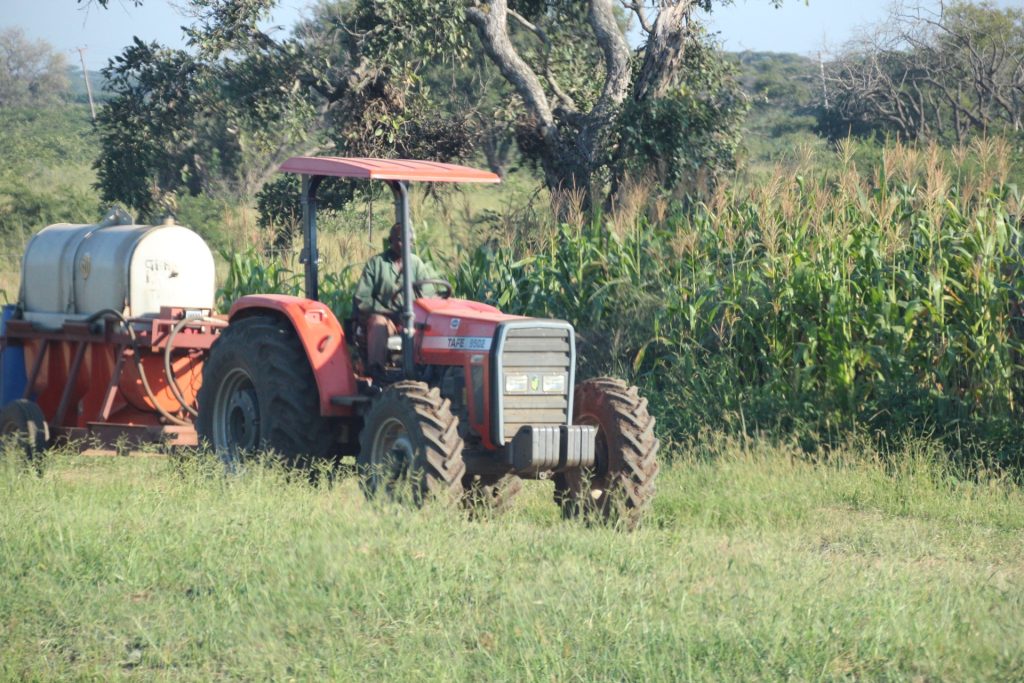
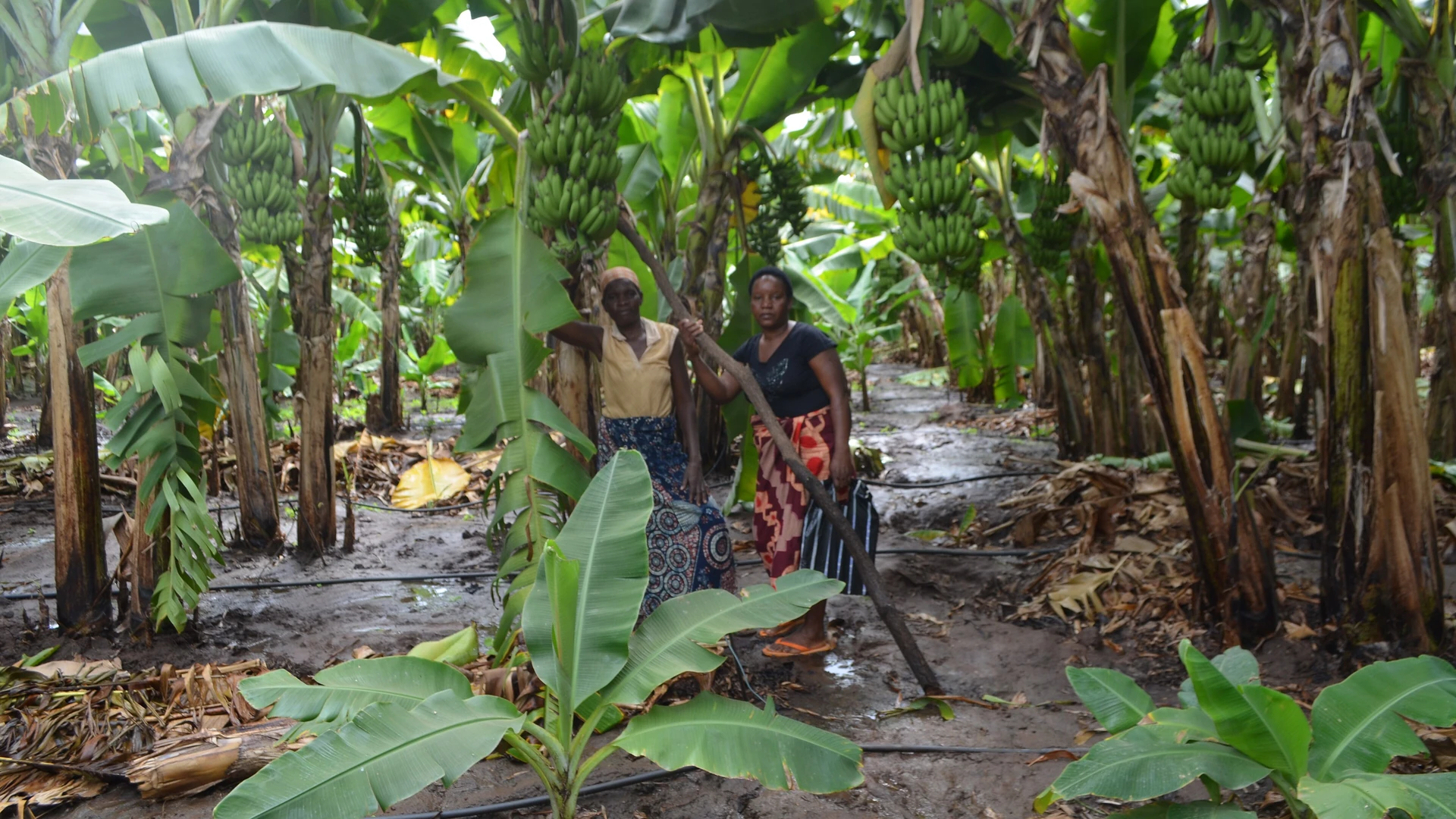
Agriculture employs many Zambians but too much work remains low-productivity and vulnerable to rainfall. The 2027 plan should move beyond seasonal input support towards irrigation, extension services, storage, cold chains, farm blocks, animal health, agro-processing and export certification.
The aim should be to connect smallholders to commercial value chains. Public support must help farmers sell more reliable volumes to processors, supermarkets and regional buyers. That is how agriculture can generate higher rural incomes and create work in transport, packaging, processing and trade.
Reliable power is an employment policy
Factories, mines, farms and small businesses cannot raise output when power is unreliable. Energy allocations should therefore be tied to new dependable capacity, stronger transmission, faster grid connections and lower losses. Procurement must be transparent, and projects should report the cost and date of every megawatt delivered.
The Budget should also use public finance to crowd in private capital where risks are clear and contracts are bankable. Government guarantees and public-private partnerships must remain visible on the fiscal balance sheet so that today’s investment does not become tomorrow’s hidden liability.
Mobilise Zambian long-term capital
Budget 2027 should give pension funds, insurers, banks and retail savers more credible routes into productive investment. Infrastructure bonds, project bonds and investment vehicles can help, but only where governance, disclosure and revenue models are strong. Capital markets cannot compensate for weak projects. As our analysis of domestic capital formation argues, the composition of development finance matters as much as its quantity.
Government can improve the pipeline by preparing fewer projects to a bankable standard, publishing feasibility work and using competitive procurement. It should also pay suppliers on time. Arrears transfer the cost of fiscal stress to businesses, weaken their balance sheets and destroy jobs.
Fiscal discipline should protect high-return spending
A jobs-oriented Budget is not an argument for indiscriminate spending. Zambia still needs a credible deficit path, careful borrowing and control of recurrent costs. The answer is to distinguish consumption from investment and good investment from politically attractive projects with weak returns.
Programmes that miss targets year after year should be redesigned or closed. Projects with strong economic returns should receive predictable multi-year funding so that contractors can plan, delays are reduced and incomplete works do not absorb public money without delivering services.
From stability to prosperity
The real measure of Budget 2027 should not be how much the Government spends, but what that spending produces. Zambia’s next phase must turn stability into investment, investment into production, production into jobs and jobs into rising household incomes.
That requires a Budget built around results. Every kwacha should face the same test: what investment did it mobilise, what did Zambia produce, how many people found better work, what did the country export and what revenue will return to the Treasury?
Sources
- National Assembly of Zambia: 2026 Budget Address (26 September 2025).
- World Bank: Zambia’s Road to Growth and Better Jobs (16 January 2025).
- Wikimedia Commons: Banana farmers of Chiawa, Zambia (photograph and licence record).
Related coverage
- Why Every Zambian Should Understand the Budget Before Voting
- Zambia’s External Debt Dependence Is Shifting to Domestic Capital Formation
- Zambia Makes Its Investment Pitch to South African Business Leaders
- Zambia’s Turnaround Won the Election. Now It Has to Deliver.
Related: Zambia’s 2027 Budget: K271.9 Billion to Spend, but Only K6.9 Billion Left for Other Programmes
WARNING! All rights reserved. This material and all other digital content on this website may not be reproduced, published, broadcast, rewritten, or redistributed, in whole or in part, without the prior express permission of The Zambian Economist. Where permission is granted, the content must be clearly credited to “The Zambian Economist,” with “www.zambianeconomist.com” prominently displayed.
WhatsApp: +260775574228 | Email: info@zambianeconomist.com
© 2026 The Zambian Economist.
Work With The Zambian Economist
Related: Zambia has opened consultations on the 2027–2031 Medium-Term Revenue Strategy, covering tax predictability, compliance and domestic development financing.
Follow-up, 3 September: the revenue side of that argument now has its own strategy. Kelvin Chisanga on what the 2027–2031 Medium-Term Revenue Strategy must deliver: Tax the Economy Better, Not More.
Follow-up: with the finance portfolio’s continuity confirmed, Kelvin Chisanga on what it means for the productive-investment agenda: Musokotwane’s Reappointment Shows Policy Continuity, Next Phase Set for Productive Economics.