By Zambian Economist Analyst
Zambia’s $1.7 billion IMF programme ended in January. With the fiscal deficit projected to narrow and unresolved creditor disputes still on the table, a new arrangement is the test investors are watching for after 13 August.
A Programme That Already Ended
Zambia’s $1.7 billion IMF programme, the one that underpinned its sovereign debt restructuring after the 2020 default, concluded in January 2026. Investors watching the 13 August election are treating the prospect of a new IMF arrangement as the clearest available test of whether policy continuity survives the vote, according to Reuters reporting on investor sentiment ahead of the poll.
Why a New Deal Matters More Than a Label
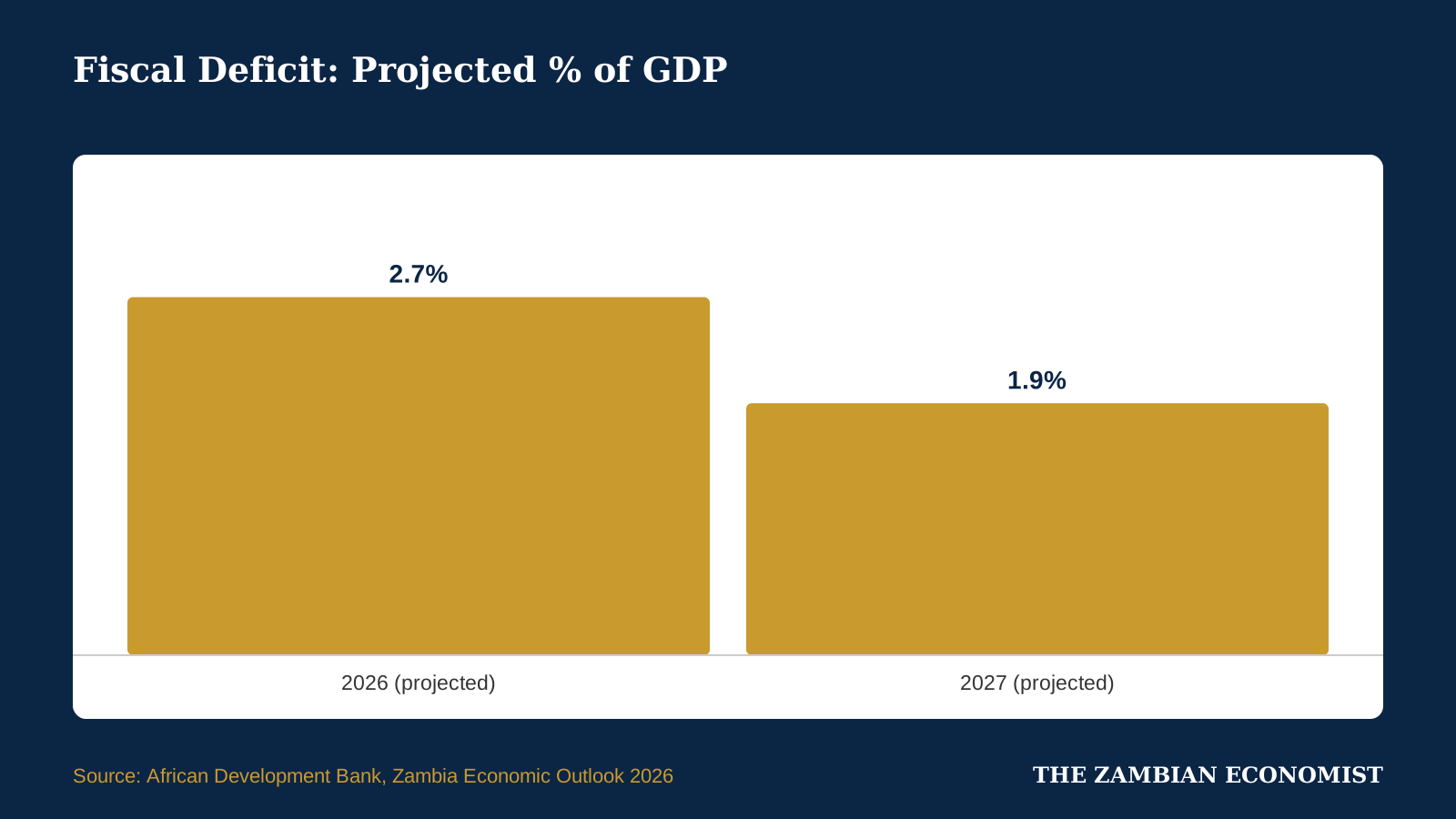
An IMF programme is, in practice, a credibility device: it commits government to a fiscal path and gives creditors and investors a reference point for judging whether that path is being kept. The African Development Bank projects Zambia’s fiscal deficit narrowing from 2.7% of GDP in 2026 to 1.9% in 2027, helped by stronger revenue mobilisation and continued fiscal consolidation. That trajectory is the kind of number a new IMF arrangement would formalise and monitor.
The Unresolved Creditor Question
Not every restructuring thread has been tied off. Negotiations continue with Afreximbank and the Trade and Development Bank, both of which are contesting their classification as preferred creditors on loans that were priced commercially, at times at very high rates. How that dispute resolves will shape Zambia’s cost of borrowing well beyond any single IMF review.
| Indicator | 2026 (projected) | 2027 (projected) |
|---|---|---|
| Fiscal deficit (% of GDP) | 2.7% | 1.9% |
| Current account (% of GDP) | +0.8% | +3.1% |
| Inflation | 9.3% | 7.2% |
| Real GDP growth | 5.0% | 6.3% |
Business and Investor Implications
A narrowing deficit, alongside a current account moving further into surplus on stronger copper export earnings, is the fiscal backdrop investors have been pricing into Zambia’s Eurobonds ahead of the vote. A new IMF programme would not change these underlying numbers, but it would anchor expectations about how government finances them, and how quickly.
Key Takeaways
- Zambia’s previous $1.7 billion IMF programme ended in January 2026.
- The African Development Bank projects the fiscal deficit narrowing from 2.7% of GDP in 2026 to 1.9% in 2027.
- Afreximbank and the Trade and Development Bank’s preferred-creditor status remains contested and unresolved.
- Investors are treating a new IMF arrangement as the clearest signal of post-election policy continuity.
Related reading: Zambia Domestic Financing 2026: Treasury Targets 82% of National Budget and Zambia’s Markets Before the Vote: What LuSE and the Eurobond Show
Related: Opinion – What a Second Hichilema Term Would Mean for Zambia’s Economy
See also: What Investors Are Watching as Zambia Heads to the Polls.
Related analysis: Zambia’s External Debt Dependence Is Shifting to Domestic Capital Formation by Kelvin Chisanga.