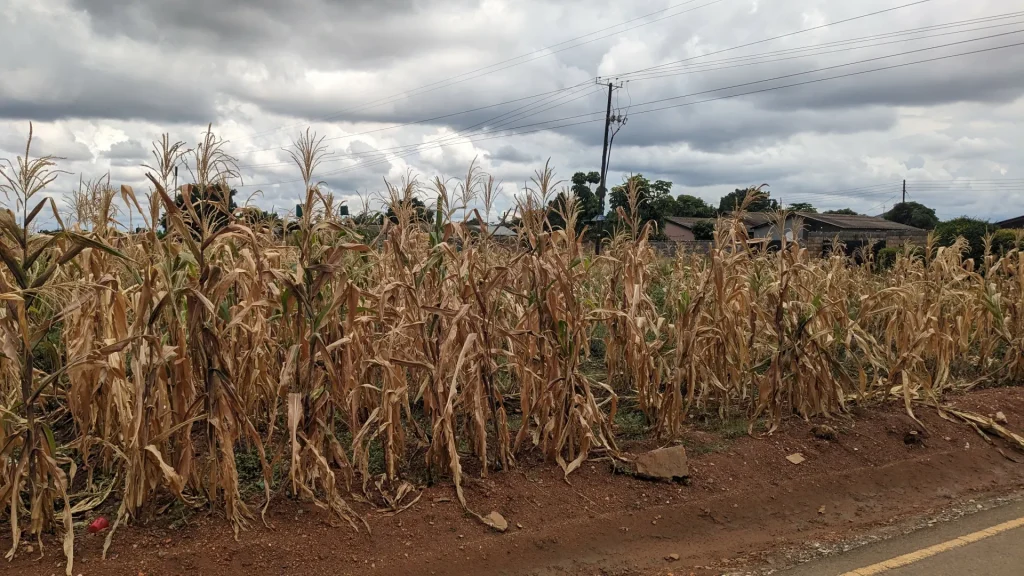
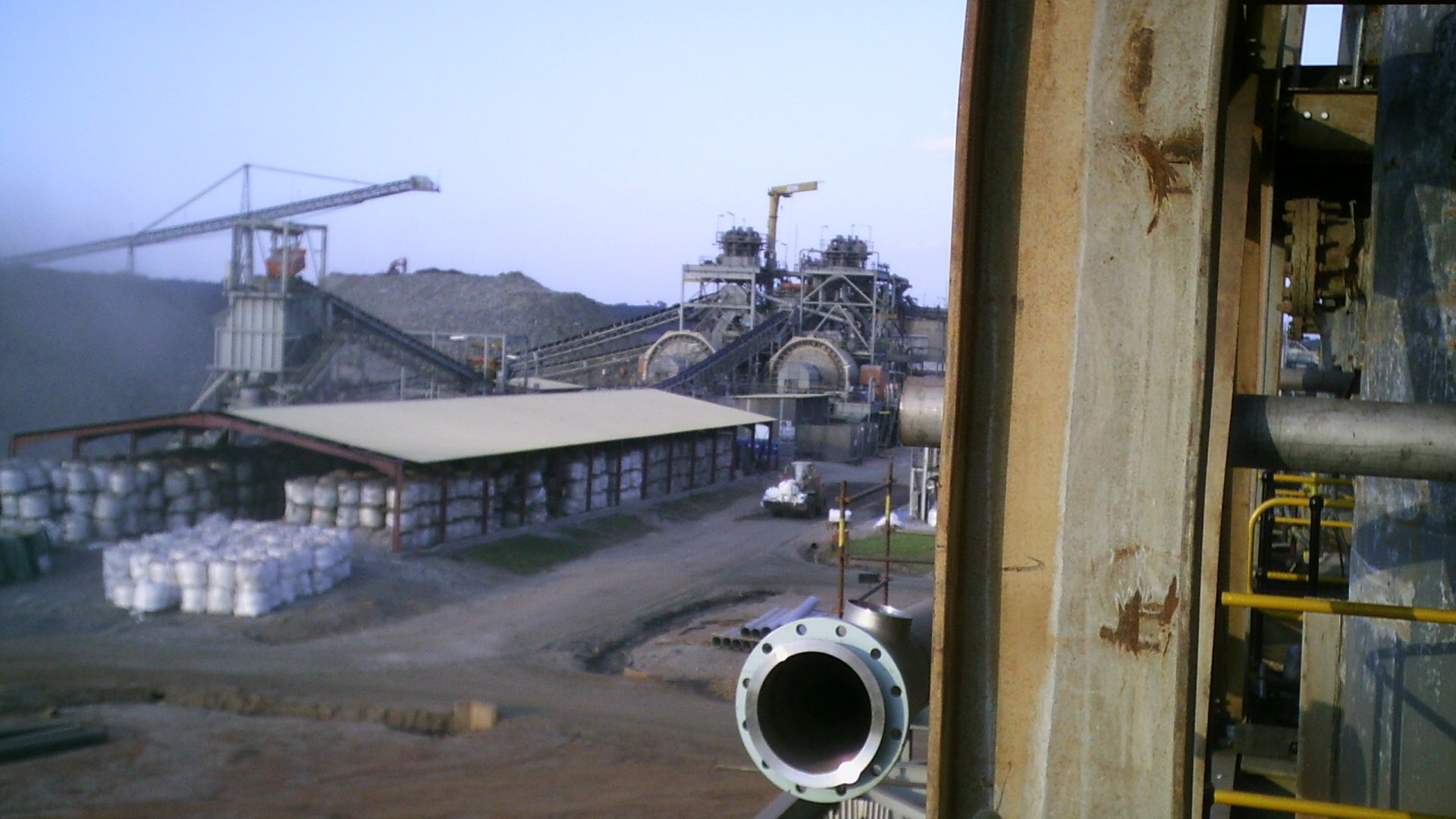
Zambia sold K30.1 billion more to the world than it bought in the first seven months of 2026. The surplus is welcome. What sits inside it, mostly raw copper, is the part that should worry us.
By The Zambian Economist Analyst | Analysis by Kelvin Chisanga | Lusaka | 19 September 2026
KEY TAKEAWAYS
- Zambia recorded a K30.1 billion trade surplus between January and July 2026, exporting K194.7 billion against imports of K164.6 billion.
- Copper still dominates the export basket, leaving earnings exposed to every swing in world metal prices.
- Analysts say the surplus should be read alongside its structure: too many raw commodities going out, too many finished goods coming in.
- Machinery, farm equipment and industrial inputs are productive imports that build future export capacity; a rising bill for finished consumer goods does the opposite.
- The policy case is for value addition in agriculture, minerals, manufacturing, energy, tourism, livestock and digital services.
Zambia’s external accounts have started the year on the front foot. Between January and July 2026, the country exported goods worth about K194.7 billion and imported K164.6 billion, leaving a trade surplus of K30.1 billion.
A surplus of that size, sustained over seven months, helps the balance of payments and takes some pressure off the kwacha. It is the kind of number policymakers like to quote. But economists who follow the accounts closely say the headline is the least interesting part of the story.
What the surplus is made of
Copper remains the backbone of Zambia’s export earnings. That concentration has not changed much, and it carries a familiar risk: when copper prices fall, the surplus can shrink or disappear within a quarter, regardless of anything else Zambia does. The 2015 and 2019 copper slumps, which pushed the external accounts into deficit and dragged the kwacha down with them, are the recent precedent.
“The bigger question is the structure of this trade,” says Lusaka-based economist Kelvin Chisanga, who reviewed the figures. “Copper remains dominant, leaving Zambia exposed to commodity-price movements.”
The fix, in his view, is a deliberate export diversification strategy built around value addition rather than volume. Priority areas he identifies include agriculture and agro-processing, copper and critical-mineral value chains, manufacturing, energy, tourism, livestock and beef, and ICT and digital services. Put plainly: Zambia should be exporting processed food, refined minerals, manufactured products and services, not shipping out raw ore and raw produce at rock-bottom margins.
Not all imports are equal
The import side of the ledger needs the same scrutiny. Chisanga draws a line between productive and consumption imports.
Machinery, agricultural equipment, industrial inputs, energy infrastructure and technology expand what the economy can produce. They create jobs and future exports, which means the foreign exchange spent on them comes back, with interest.
Excessive imports of finished consumer products do the opposite. They drain foreign exchange without adding anything to domestic production capacity, and they compete directly with local manufacturers who employ Zambians.
“Zambia should build an economy that imports to produce, produces to export, and exports to create jobs and incomes,” Chisanga says.
What it means for business, investors and policy
For business: the surplus environment is a window for manufacturers and agro-processors. A stable-to-strengthening kwacha makes imported machinery cheaper, and government programmes tied to value addition, from multi-facility economic zones to export incentives, are easier to justify while the trade numbers are healthy.
For policy: the temptation is to celebrate the surplus and stop there. The harder work is using the breathing space to change the composition of trade: keeping more of the copper value chain inside the country, tightening rules that favour local content, and pushing the diversification agenda while copper prices are doing the heavy lifting.
For investors: the numbers signal a country earning more hard currency than it is spending for now, but one whose earnings still ride on a single metal. Diversification policy that actually lands would be the thing that changes that assessment. The exposure cuts both ways: a strong El Niño season, which we have examined for its threat to mining output through power supply, is a reminder of how quickly the external account can turn.
The bottom line
A K30.1 billion surplus over seven months is genuinely good news for Zambia’s external position. It becomes great news only when the things Zambia sells change. Until then, the number will keep rising and falling with the copper price, and the job of turning it into lasting jobs and incomes remains unfinished.
WARNING! All rights reserved. This material and all other digital content on this website may not be reproduced, published, broadcast, rewritten, or redistributed, in whole or in part, without the prior express permission of The Zambian Economist. Where permission is granted, the content must be clearly credited to “The Zambian Economist,” with “www.zambianeconomist.com” prominently displayed.
WhatsApp: +260775574228 | Email: info@zambianeconomist.com © 2026 The Zambian Economist.
Work With The Zambian Economist: Advertise With Us | List With Us | Submit an Article
Related: Zambia’s K12.1 Billion Grant Shortfall Is a Fiscal Warning, Chisanga Says.