By Zambian Economist Analyst
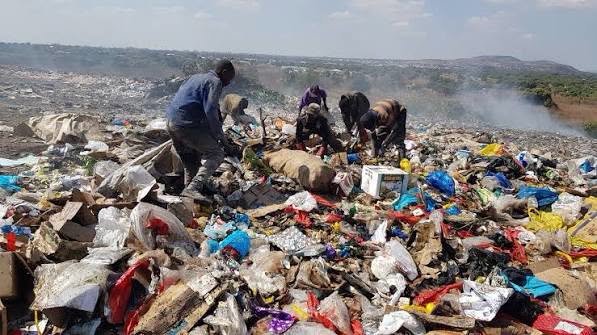
The National Prosecution Authority (NPA) and the Lusaka Integrated Solid Waste Management Company (LISWMC) have signed a three-year Memorandum of Understanding aimed at tightening enforcement against illegal dumping and improper disposal of hazardous waste in the capital.
The agreement reframes persistent dumping violations as criminal offences and sets up closer coordination between the two institutions, whose mandates rarely overlapped this directly until now.
Speaking at the signing ceremony in Lusaka, Director of Public Prosecutions Gilbert Phiri said the partnership signals a commitment to public health, the rule of law, and the dignity of the city. He said the MoU would strengthen LISWMC’s legal enforcement capacity while keeping its actions anchored within established legal frameworks — and that the goal is deterrence through public awareness first, with prosecution as a backstop rather than the primary tool.
LISWMC Chief Executive Officer Imuwana Mwanamwalye said the agreement creates a structured framework for information sharing between the two bodies and strengthens the legal foundation for environmental enforcement in Lusaka. He pointed to littering and illegal dumping as significant contributors to flooding, environmental degradation, and health risks to both people and livestock — a problem that tends to resurface every rainy season when blocked drainage turns into standing water and disease risk.
For a city that has struggled for years to keep pace with the waste its population generates, the MoU is a modest but concrete step: it doesn’t add new capacity to collect or process waste, but it does close a long-standing gap between the people who catch offenders and the people who can prosecute them.
Related: Chitambala Mwewa Sworn In as Lusaka Mayor Ahead of Afternoon Installation