

KEY TAKEAWAYS
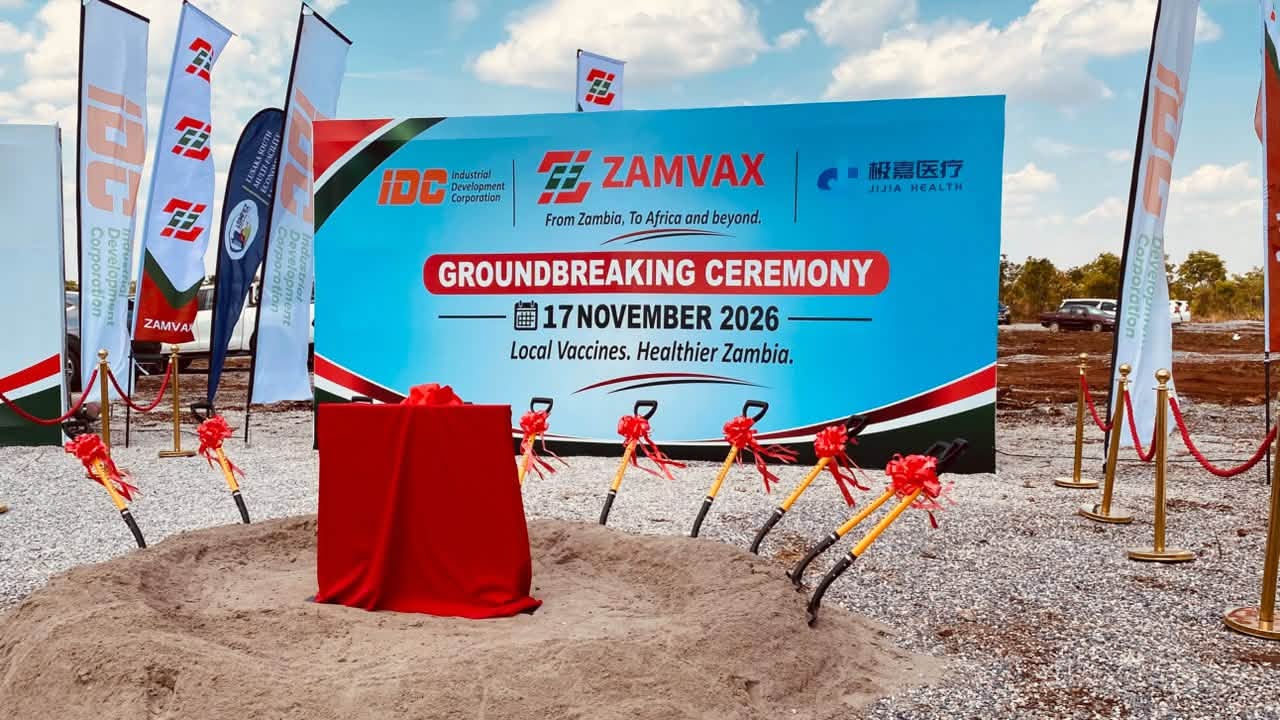
- Zambia has broken ground on the ZAMVAX oral cholera vaccine plant in Lusaka’s South Multi-Facility Economic Zone, a US$24.13 million first-phase joint venture between the IDC (60 per cent) and China’s Jijia International Medical Technology (40 per cent).
- The facility is designed to fill, finish, pack and quality-test up to 20 million oral cholera vaccine doses a year using imported bulk antigen, with local antigen production planned for a later phase.
- The project arrives while cholera is still spreading: 3,392 cumulative cases and 76 deaths were recorded by 20 November 2026, 492 of them laboratory-confirmed.
- Cholera is driven by unsafe water and poor sanitation, so vaccine manufacturing alone cannot stop outbreaks; UNICEF’s 2026/27 cholera response was only 9 per cent funded as of 16 November, leaving a US$2.95 million gap.
- The measure of success should be how much technology transfers to Zambian professionals and whether water and sanitation investment keeps pace with the factory.
By Meamui Mwendaweli, Student Contributor Writer | 22 November 2026. Published as a reader contribution; the views are the author’s. Edited for style by The Zambian Economist Analyst.
Zambia has taken a concrete step towards building its own pharmaceutical manufacturing capacity. The groundbreaking of the ZAMVAX vaccine manufacturing facility in November 2026 advances the country’s ambition to reduce dependence on imported vaccines and to claim a place in Africa’s growing health-products industry.
The timing, though, is hard to ignore. The country is still battling a cholera outbreak that continues to claim lives and expose weaknesses in public health infrastructure. By 20 November 2026 Zambia had recorded 3,392 cumulative cholera cases and 76 deaths, of which 492 cases were laboratory-confirmed. The country is investing in the capacity to manufacture vaccines while still struggling to control the conditions that allow preventable diseases to spread.
The question is not whether Zambia should manufacture its own vaccines. It should. The harder question is whether pharmaceutical industrialisation can translate into better public health without equally serious investment in sanitation and safe water.
An industrial milestone amid a public health crisis
On 18 November 2026 the Industrial Development Corporation (IDC) announced the groundbreaking of the ZAMVAX vaccine manufacturing facility, a joint venture between Zambia’s IDC and China’s Jijia International Medical Technology Company. IDC holds a 60 per cent stake while Jijia holds the remaining 40 per cent.
The first phase is estimated to cost US$24.13 million and is designed to produce up to 20 million oral cholera vaccine doses annually. The facility will sit in the Lusaka South Multi-Facility Economic Zone. Its initial operations will involve filling, finishing, packaging and quality testing using imported bulk vaccine antigen. A subsequent phase is intended to introduce local antigen production and broader manufacturing capability.
That distinction matters when assessing the country’s ambitions. Local filling and finishing are real progress, but they do not yet amount to complete domestic vaccine production. Even so, the investment creates room to build technical expertise, strengthen local pharmaceutical manufacturing and reduce some dependence on external suppliers. Local production can also support skilled employment, technology transfer and industrial supply chains, and could strengthen Zambia’s position in the regional pharmaceutical market. How much of this materialises depends on implementation and on how much of the production process eventually sits inside Zambia.
Manufacturing vaccines is not the same as preventing disease
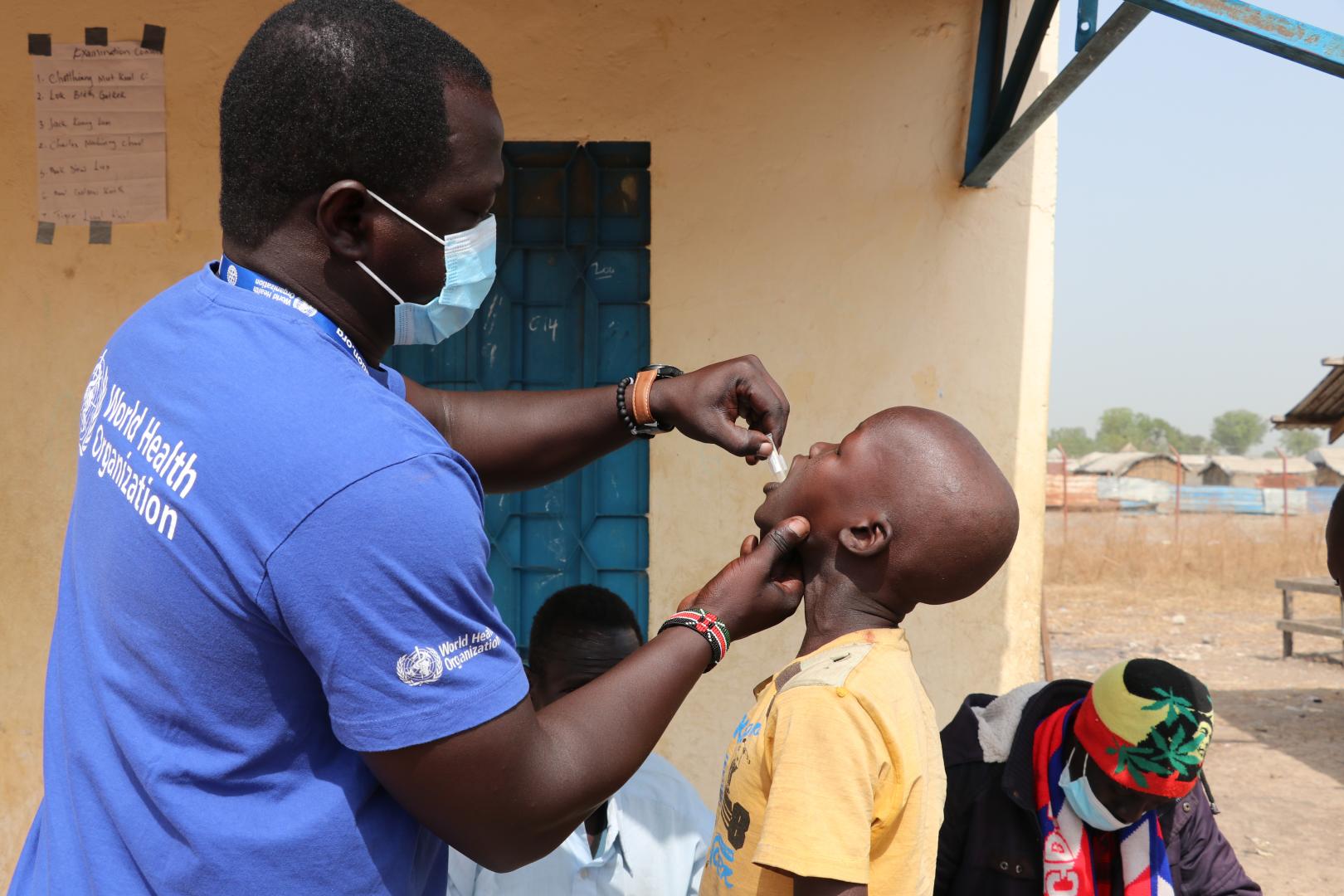
Cholera is an acute diarrhoeal disease caused by consuming food or water contaminated with the bacterium Vibrio cholerae. Its transmission is closely tied to inadequate access to safe drinking water and basic sanitation. The World Health Organization identifies safe water and adequate sanitation as essential components of cholera prevention, alongside oral cholera vaccines as tools for controlling outbreaks.
This means vaccine manufacturing alone cannot resolve the infrastructure problems behind recurring outbreaks. A country can raise its vaccine output while communities still depend on unsafe water sources, or strengthen its pharmaceutical industry while sanitation systems remain inadequate. Investment in vaccine manufacturing must be matched by sustained investment in water supply, sanitation, waste management and disease surveillance. Without that, Zambia risks becoming better equipped to respond to outbreaks without ever addressing what causes them.
The economics of preventable disease
The cost of cholera extends well beyond medical treatment. When people fall ill they cannot work. Children miss school. Households that are already stretched take on extra expenses for treatment and caregiving. Businesses lose workers to illness during outbreaks, and public resources are diverted into emergency response.
At national level, recurring outbreaks place repeated demands on healthcare workers, medical supplies and government expenditure. Disease prevention should therefore not be treated as a health-sector concern alone. It is an investment in productivity and economic stability. The cost of maintaining reliable water and sanitation infrastructure has to be weighed against the financial burden of responding, year after year, to a preventable disease. A productive economy needs a healthy workforce, and Zambia’s development ambitions cannot be separated from the health of its population.
The question of genuine pharmaceutical independence
ZAMVAX’s first phase also raises a question about what Zambia means when it speaks of local vaccine manufacturing. Filling, finishing, packaging and quality testing locally are meaningful steps towards domestic industrial capacity. But the use of imported bulk antigen means the country will initially remain dependent on external suppliers for a significant part of the process.
True pharmaceutical independence requires more than a plant. It requires technical expertise, research and development capacity, reliable supply chains, skilled personnel and strong regulatory oversight. The planned expansion into local antigen production is where the more substantial shift would occur. There is also an opportunity, and a need, to strengthen Zambia’s pharmaceutical regulatory and quality assurance systems, because local manufacturing must be matched by the capacity to independently verify the safety and quality of what is produced. Without those foundations, manufacturing ambitions may struggle to deliver lasting public health benefits.
Beyond the factory: rethinking Zambia’s development priorities
The ZAMVAX investment is a chance to rethink how industrialisation and public health can reinforce each other. Rather than treating pharmaceutical manufacturing, sanitation and disease prevention as separate policy areas, government should approach them as connected parts of national development. That requires stronger coordination between the health, finance, water development, local government and industry sectors, and transparency around project implementation, investment commitments and technology transfer.
The proposed capacity of up to 20 million doses a year is substantial, but the project’s success should be measured by more than dose counts. How much technical knowledge will transfer to Zambian professionals? What share of the production process will eventually happen locally? How will the facility contribute to regional vaccine supply, and what mechanisms will guarantee that its products meet quality standards? These questions deserve attention as the project progresses.
Financing tells its own story. UNICEF’s November 2026 cholera response update shows the organisation’s 2026/27 response was only 9 per cent funded as of 16 November, with a funding gap of US$2.95 million. A country cannot lean on industrial investment while the programmes that prevent and respond to disease remain underfunded.
A factory is a beginning, not the finish line
Zambia deserves credit for developing domestic vaccine manufacturing capacity. It is a step towards pharmaceutical industrialisation and a stronger position in Africa’s health manufacturing sector. But national progress should not be measured only by what a country builds. It should also be measured by the problems those investments solve. A vaccine plant can strengthen supply security and support industry. It cannot by itself provide clean drinking water, improve sanitation or remove the conditions in which cholera spreads.
The success of ZAMVAX should show up not only in the vaccines leaving its production lines, but in a future where fewer Zambians are exposed to preventable disease and fewer families bear the cost of recurring outbreaks. Manufacturing our own vaccines is an achievement. Building a country where fewer people are exposed to preventable outbreaks must be the greater ambition.

Meamui Mwendaweli | Student Contributor Writer, Lusaka
Meamui Mwendaweli is a Bachelor of Pharmacy student at Levy Mwanawasa Medical University. Her interests include public policy, economic development, governance and public health, particularly how policy decisions affect ordinary citizens and how development translates into improved living standards. Meet all our contributors.
WARNING! All rights reserved. This material and all other digital content on this website may not be reproduced, published, broadcast, rewritten, or redistributed, in whole or in part, without the prior express permission of The Zambian Economist. Where permission is granted, the content must be clearly credited to “The Zambian Economist,” with “www.zambianeconomist.com” prominently displayed.
WhatsApp: +260775574228 | Email: info@zambianeconomist.com © 2026 The Zambian Economist.
Work With The Zambian Economist: Advertise With Us | List With Us | Submit an Article
Related reading: