Tuesday Morning Feature | 11 August 2026
By The Zambian Economist Analyst
Photo by The Zambian Economist Analyst
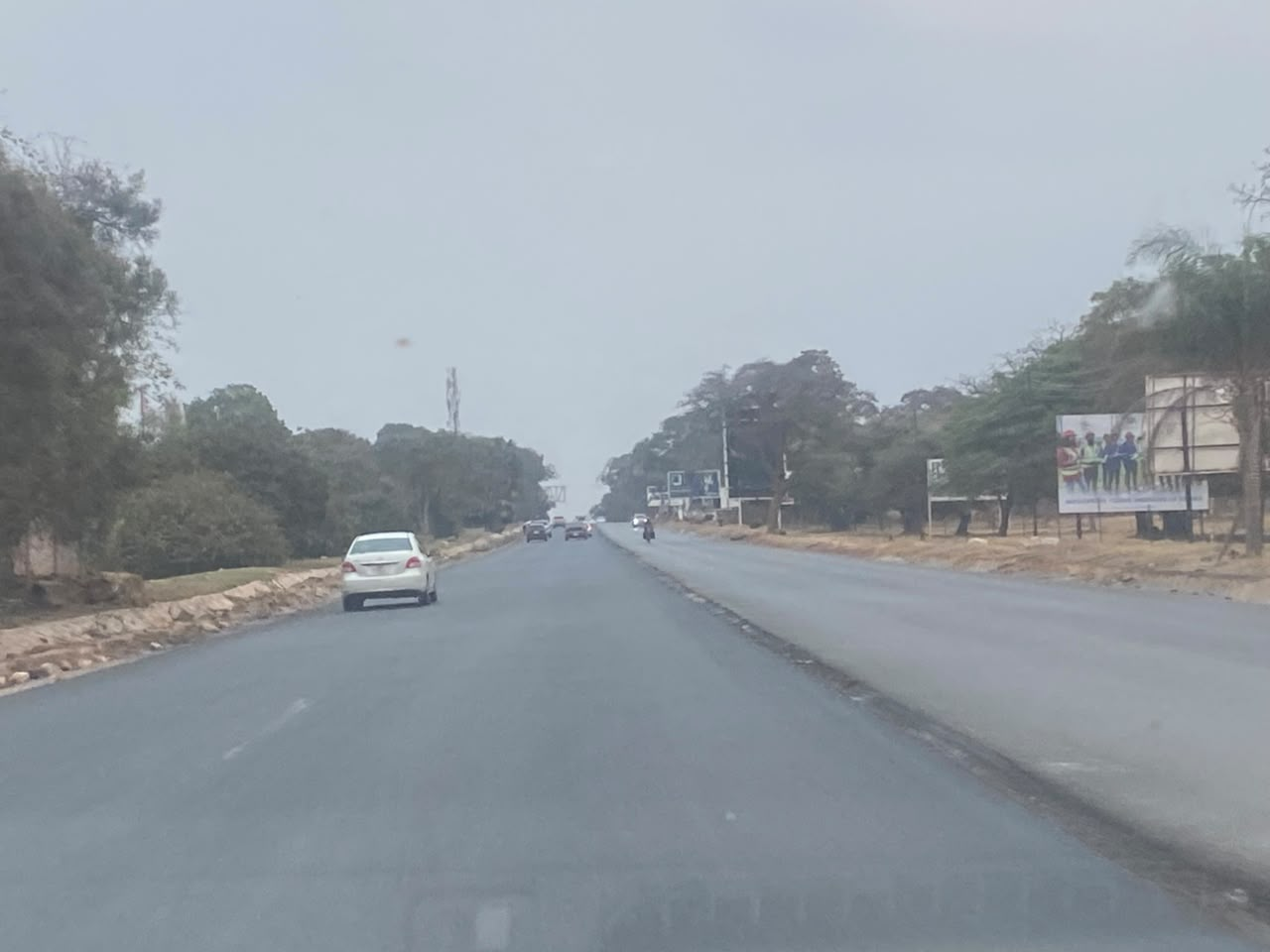
The road ahead looks open, the sky is pale and only a few vehicles are visible. It is the sort of Lusaka morning that can persuade a driver there is plenty of time.
That impression can be costly.
Lusaka can develop heavy traffic quickly if you miss the right time to leave home. A quiet road can fill within minutes as school runs, staff buses, minibuses, delivery vehicles, motorcycles and private cars join the morning movement.
The difference between leaving early and leaving slightly late may be the difference between reaching the office calmly and spending part of the morning watching brake lights.
A cool start to Tuesday
At the time of writing, Lusaka was experiencing a cool morning of about 15°C, with clouds and sunshine. Tuesday is expected to become warmer, reaching approximately 25°C, before temperatures fall to around 16°C later in the day. The forecast points to hazy sunshine. Readers can check the latest Lusaka forecast from the UK Met Office. The Zambian Economist has also published a related cold and windy weather advisory for 11 to 15 August.
Residents should dress warmly during the morning. A jersey, light jacket or coat will help, particularly for children, older people, early-shift workers and commuters using open vehicles or motorcycles.
Layered clothing is the sensible choice. The afternoon may feel considerably warmer, so wear something that can be removed and carried easily once the temperature rises.
Motorcyclists should protect their hands and chest from the morning air. Parents should ensure that children waiting for school transport are properly covered. Anyone leaving home before sunrise should expect the coldest part of the day.
Lusaka traffic can change before you realise it
The photograph captures a broad road with light traffic and good forward visibility. It also shows why motorists should not treat an open stretch as permission to increase speed.
Vehicles may stop along the roadside. Motorcycles can appear between lanes. Pedestrians may cross where drivers do not expect them. A minibus can slow down suddenly to collect a passenger, while another motorist may change lanes without sufficient warning.
Tuesday traffic is shaped by several journeys taking place at the same time:
- Parents taking children to school.
- Employees travelling to offices and industrial areas.
- Traders moving towards markets and roadside trading points.
- Delivery vehicles supplying shops and restaurants.
- Public-service vehicles collecting passengers.
- Contractors transporting workers and building materials.
- Government and private-sector meetings beginning in the central business district.
Traffic pressure can build on major approaches such as Great North Road, Kafue Road, Mumbwa Road and Leopards Hill Road. Movement also tends to slow around busy junctions and commercial areas connected to Cairo Road, Lumumba Road, Independence Avenue, Addis Ababa Drive, Church Road and the surrounding central business district.
This is not a live traffic incident report. Conditions can differ from one junction to another, so drivers should check a live navigation service or obtain an update from someone already on the route before leaving.
Tuesday morning traffic tips
Leave before the pressure builds
Give yourself an additional 20 to 30 minutes where possible. Leaving early is usually cheaper than driving aggressively after becoming late.
The extra time also allows a motorist to deal with an unexpected queue, roadworks, a slow-moving truck, a school-zone delay or a minor mechanical problem without taking dangerous risks.
Check the full journey before starting
Do not wait until you are already in traffic to look for another route. Check your preferred road, one alternative and the conditions near your destination.
An alternative route is useful only when it genuinely saves time. If every driver diverts through a residential road, that route may become congested too.
Keep a safe following distance
Cool or hazy mornings can affect visibility. Windscreens may also be dusty, misted or marked.
Leave enough distance to stop safely. Tailgating rarely shortens a journey, but it increases the chance of a collision that can delay hundreds of other road users.
Avoid unnecessary roadside stops
Do not stop on the carriageway or shoulder unless it is necessary and safe. A stationary vehicle can become difficult to see in weak morning light.
If your vehicle develops a problem, move as far away from moving traffic as safely possible, activate hazard lights and use the appropriate warning equipment.
Watch for motorcycles, cyclists and pedestrians
Motorcycles can be difficult to see beside larger vehicles. Check mirrors and blind spots before changing lanes.
Drivers should also slow down near bus stops, schools, markets and trading areas. People may step onto the road while looking for transport or attempting to cross between vehicles.
Do not use the phone while driving
A message can wait. Lusaka’s traffic requires constant attention because the road environment can change within seconds.
If a call is urgent, use a lawful hands-free arrangement or stop at a safe place away from moving traffic.
Be patient with public transport
Minibuses and buses carry many of the people who keep Lusaka working. Drivers should expect them to stop frequently, but public-service drivers also have a duty to pull over safely and avoid blocking active lanes.
Road courtesy saves more time than competition.
Check the vehicle before entering traffic
A Tuesday morning is a poor time to discover that the car has little fuel, low tyre pressure or a weak battery.
Before leaving, check:
- Fuel or available electric range.
- Tyres.
- Lights and indicators.
- Windscreen visibility.
- Engine temperature and warning lights.
- Driving licence and other required documents.
The rhythm of weekday Lusaka
A weekday morning in Lusaka begins long before many office doors open.
Bread is being delivered. Mobile-money booths are preparing float. Market traders are arranging stock. Security guards are handing over shifts. Restaurants are preparing breakfast, while construction workers gather near worksites.
At bus stops, commuters calculate whether to wait for a cheaper ride or take the first available option. Parents negotiate school drop-offs before turning towards their workplaces. Informal traders position themselves where pedestrian movement is strongest.
By the time offices open, a large part of the city has already completed several hours of work.
Tuesday has its own character. Monday is often occupied by planning, inboxes and meetings. Tuesday is when many organisations expect visible progress. Suppliers follow up on purchase orders. Sales teams return to clients. Accountants process payments. Entrepreneurs check whether the week’s early enquiries are becoming actual business.
This creates movement across the city, from the central business district and industrial areas to shopping centres, markets, government offices and residential neighbourhoods.
What traffic costs businesses
Congestion is more than a transport problem. It is a business expense.
A delivery vehicle trapped in traffic consumes fuel without producing revenue. A late employee loses productive time. A missed appointment may delay a sale. Perishable goods can lose value while being transported.
Small businesses often feel these costs most because they have fewer vehicles, smaller cash reserves and limited staff cover.
Employers should therefore treat commuting and delivery time as part of operational planning.
Schedule deliveries outside the busiest periods
Where customer requirements allow, move stock after the morning rush and before the evening build-up.
Combining several deliveries into one properly planned journey may reduce fuel use and vehicle wear.
Confirm meetings before travelling
A short call or WhatsApp message can prevent an unnecessary trip across Lusaka. Confirm that the client is available, the office is open and the person responsible for the decision will attend.
For a brief discussion, a phone or video call may be more efficient.
Group appointments by location
Avoid booking one meeting in the central business district, another across town and a third back near the starting point.
Group appointments by area. The result may be fewer kilometres, lower fuel expenditure and more time available for customers.
Give customers realistic arrival times
Do not promise a delivery time that depends on every road being clear. Customers are usually more understanding when delays are communicated early.
A business that provides honest updates can protect trust even when traffic interrupts the schedule.
Use the early morning commercially
Businesses serving commuters should prepare before customers arrive.
Breakfast outlets can package quick meals. Mobile-money agents should check float early. Fuel stations and convenience shops should prepare for short, high-volume transactions. Pharmacies, bakeries and roadside retailers can use WhatsApp status updates to tell customers what is available before the morning rush.
Protect working capital
Tuesday is also a useful day to examine cash flow before the week becomes too busy.
Business owners should check:
- Payments expected from customers.
- Supplier obligations falling due.
- Stock that is selling slowly.
- Fuel and transport expenses.
- Mobile-money, banking and payment charges.
- Orders that require deposits before work begins.
Revenue is not the same as cash available. A business can appear busy and still struggle if customers are slow to pay.
A practical Tuesday plan
For employees, the morning objective should be simple: arrive safely, settle quickly and identify the work that must be completed before lunch.
For business owners, Tuesday is a good day to follow up on quotations sent on Monday. Do not send a vague message asking whether the customer has “seen the quote”. Ask whether the price, delivery period or payment terms require clarification.
For sales teams, begin with the prospects most likely to make a decision. For retailers, examine Monday’s sales and restock items that moved quickly. For service businesses, confirm appointments and collect deposits where required.
Employers can also reduce unnecessary traffic exposure by allowing some administrative work to begin remotely where the job permits it. A worker who completes an early report from home and travels after the busiest period may lose less time than one who spends the same hour in a queue.
That arrangement will not suit every workplace, but it is worth considering where performance can be measured by completed work rather than physical presence alone.
Courtesy remains part of the solution
Lusaka’s traffic cannot be improved by road construction alone. Driver behaviour matters.
Blocking an intersection may save one vehicle a few seconds while delaying an entire line of traffic. Using the shoulder as an unofficial lane creates danger. Refusing to allow another vehicle to merge often causes further braking behind it.
The morning journey should not become a contest. Every person on the road is trying to reach work, school, a customer, a patient or a family responsibility.
A little patience can prevent an accident and keep traffic moving.
The morning outlook
Lusaka is waking to a cool Tuesday that should become warmer later. Dress warmly for the morning, carry a removable outer layer and allow more travelling time than the open road in the photograph might suggest.
Leave home before pressure builds. Drive defensively. Watch for motorcycles and pedestrians. Confirm appointments before crossing the city. If you run a business, plan deliveries and customer visits around the time lost in traffic.
The road may look empty now. Miss your departure time, however, and Lusaka can remind you very quickly that it is a busy capital city.
Advisory note
Traffic, road and weather conditions can change without notice. Motorists should follow lawful instructions from the Zambia Police Service and the Road Transport and Safety Agency, observe road signs and check live traffic information before travelling. Weather-sensitive readers should consult an updated forecast. The business observations in this feature are general information and do not constitute financial, investment, legal or professional advice.
WARNING! All rights reserved. This material and all other digital content on this website may not be reproduced, published, broadcast, rewritten, or redistributed, in whole or in part, without the prior express permission of The Zambian Economist. Where permission is granted, the content must be clearly credited to “The Zambian Economist,” with “www.zambianeconomist.com” prominently displayed.
WhatsApp: +260775574228 | Email: info@zambianeconomist.com
© 2026 The Zambian Economist.