Key takeaways
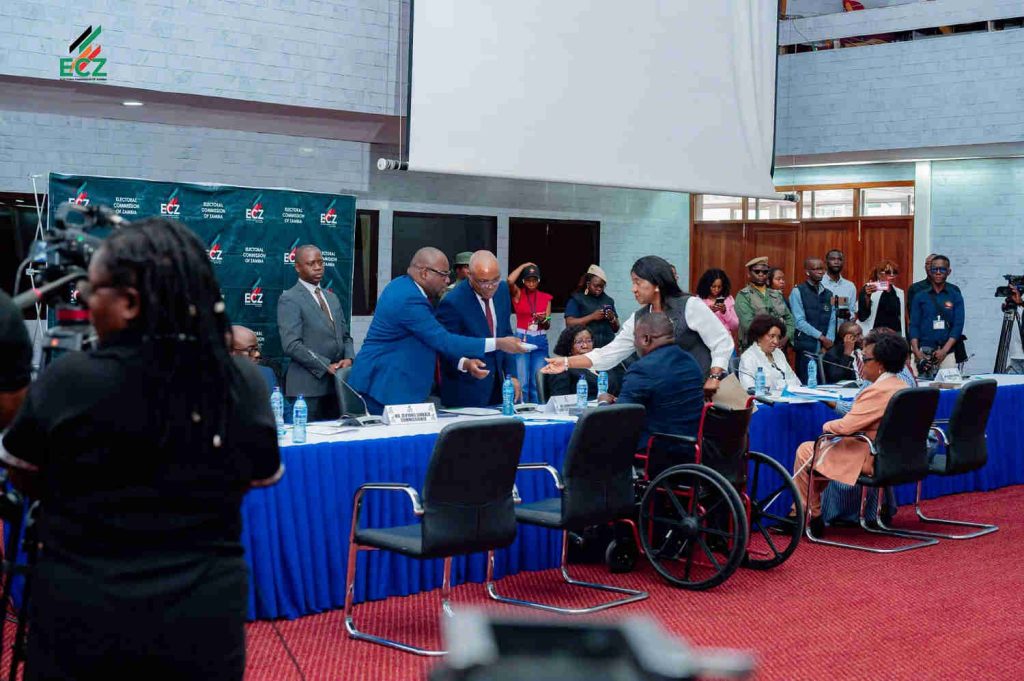
- ECZ suspended vote counting nationwide on 14 August after reports of violence and ballot theft, then lifted the suspension hours later.
- Hichilema holds close to 59% with more than half of Zambia’s 226 constituencies counted; a presidential declaration is expected this week.
- SME cash flow has slowed as businesses and consumers wait for clarity, especially where government or parastatal payments are involved.
- The kwacha has become harder to plan around; delay non-urgent conversions and lock in supplier pricing in writing where possible.
- Verify results against the official ECZ portal, not unconfirmed WhatsApp tallies, before making business decisions.
- Log any trading disruption (dates, location, losses) for insurance or support claims further down the line.
Zambia’s 2026 general election has produced the kind of week that tests a country’s institutions as much as its candidates. Voting closed on 13 August. By Friday, the Electoral Commission of Zambia had suspended vote counting nationwide, citing reports of violence and ballot theft in a handful of districts, only to lift that suspension hours later once it judged the security threat contained. The Law Association of Zambia questioned the legal basis for a suspension that wide. International observer missions, including from SADC, have issued preliminary statements on the process. And through it all, President Hakainde Hichilema has built a commanding lead, holding close to 59% of the vote with more than half of the country’s 226 constituencies counted, against Brian Mundubile of the National Reconciliation Party for Unity and Prosperity at around a third. The Commission’s own roadmap points to a presidential declaration this week.
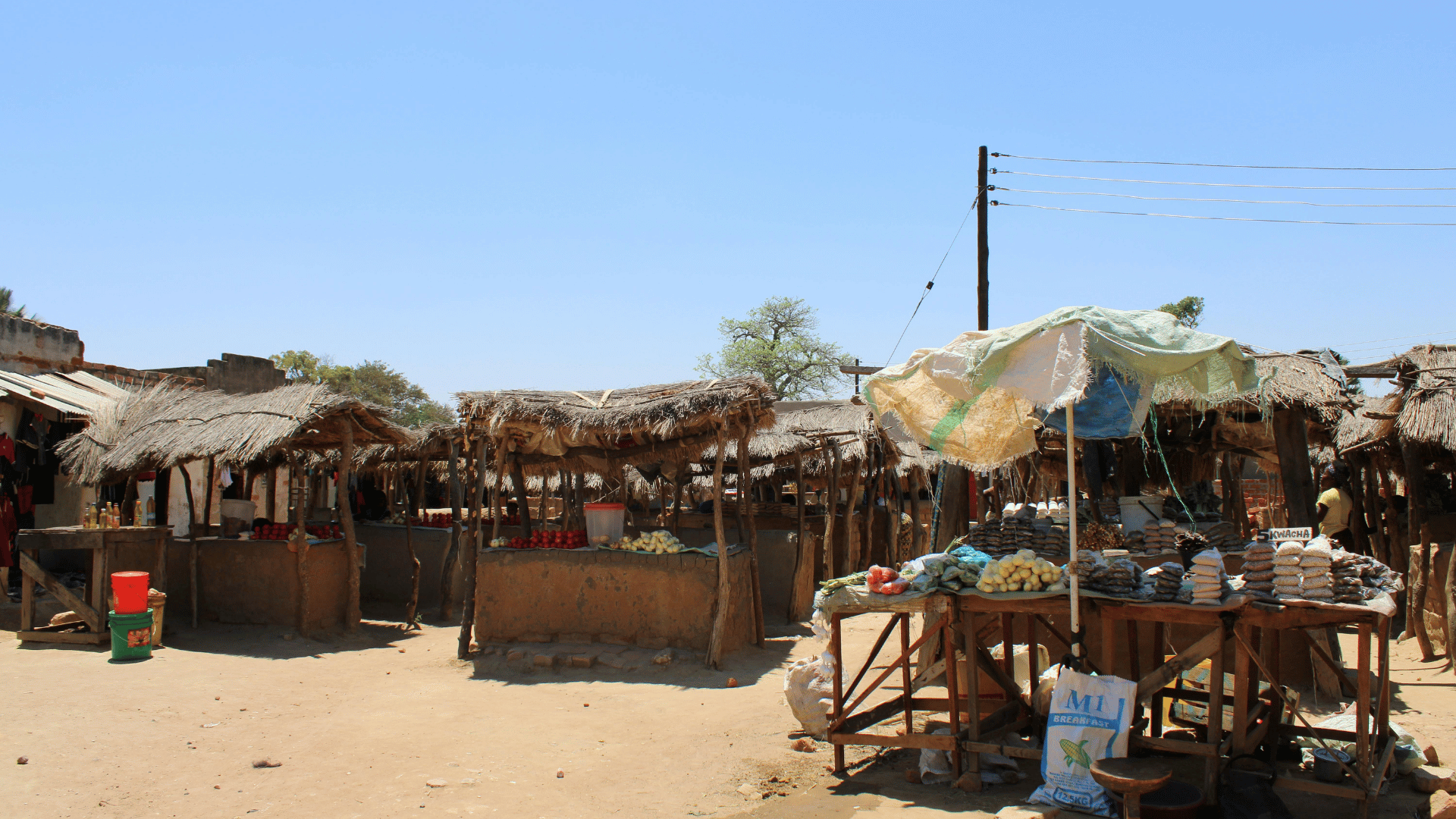
None of that removes the suspense. A widened count, a contested process, and claims of an armed raid on a rival candidate’s home are not the conditions under which businesses like to make decisions. For an economy where small and medium enterprises employ the majority of the workforce and absorb the sharpest edges of every shock first, the question is not whether the election matters. It is how to keep operating while the country waits for it to be settled.
Why this election carries more economic weight than most
Zambia’s 8.79 million registered voters were not just choosing a president. The 2025 constitutional amendments reshaped the National Assembly itself, introducing a mixed system of 226 directly elected seats alongside 40 allocated by proportional representation, a structural change that will influence how quickly a new government can move legislation, including anything touching tax policy, mining royalties, or public procurement. Investors watching the kwacha and the Bank of Zambia’s policy stance are not only pricing in who wins. They are pricing in how cleanly the result is accepted, both by the losing side and by the public.
That is the real source of the suspense. A large margin narrows the room for dispute over who won. It does not, on its own, settle questions about how the count was conducted, and Zambia has just spent several days finding that out in real time.
What the uncertainty is actually doing to businesses right now
Three effects are already visible, and SMEs are more exposed to each of them than large corporates with deeper cash reserves and hedging tools.
Cash flow has gone quiet. Retailers, transporters and service providers report the same pattern every election cycle: consumers hold cash back until the picture clarifies, and business-to-business payments slow as companies wait to see what changes at the top. A supplier owed by a government department or parastatal is especially exposed if procurement decisions pause during a transition.
The kwacha has become harder to plan around. Currency markets dislike ambiguity more than they dislike bad news. A firm importing inputs, whether cement, packaging, or spare parts, is now managing exchange rate risk on top of the usual cost pressures, at exactly the moment banks may also tighten short-term lending until the political picture is clear.
Physical disruption has been real, not hypothetical. Reports of violence and ballot theft in some districts, and a counting suspension that reached the whole country even where nothing had gone wrong locally, show how a localised problem can ripple into a national one. A transporter with a delivery route through an affected district, or a trader whose shop sits near a contested collation centre, has had to make real-time calls about safety and stock.
How SMEs can navigate the coming days
Build a short cash buffer, not a long one. This is a liquidity event measured in days to a few weeks, not months. Owners should know their break-even runway for the next fortnight and hold back non-essential spending until the declaration and its immediate aftermath have passed.
Separate currency exposure from everything else. Where possible, delay large kwacha-to-dollar conversions that are not time-critical, and get firm, written pricing from suppliers rather than relying on quotes that assume today’s exchange rate holds.
Talk to customers and suppliers directly rather than guessing at their plans. A short message confirming delivery schedules or payment timing does more to protect a relationship than silence does. Uncertainty is easier to manage when it is shared rather than assumed.
Keep a record of any disruption. Businesses that lost trading days to security concerns or logistics delays should log dates, locations and losses. This matters for insurance claims where cover exists, and for any government or industry-association support that may follow a disputed election period, as it has in past cycles.
Watch the declaration, not the rumours. Zambia’s WhatsApp networks moved faster than official channels for much of this week, circulating constituency tallies that in several cases could not be verified against the Commission’s own results portal. Businesses making decisions on the strength of an unconfirmed screenshot are taking on risk they do not need to. The Commission’s results platform and its scheduled briefings remain the only reliable source until a declaration is made.
The bigger picture
Once a president is declared, and Zambia’s institutions have absorbed a genuine stress test this week in the form of a counting suspension, a legal challenge to it, and a swift reversal, the more consequential economic story begins. Fiscal discipline, follow-through on investment commitments, and the pace of any post-election policy signalling will matter far more to Zambia’s SMEs over the coming year than the noise of results week itself. What businesses do in the meantime is protect their cash, verify before they act, and get ready to move quickly once the picture is confirmed.
Related coverage
- ECZ Suspends Vote Counting Nationwide After Reports of Violence and Ballot Theft
- LAZ Challenges Legality of ECZ’s Nationwide Vote-Counting Suspension
- ECZ Lifts Vote-Count Suspension as Zambia’s Election Stays Unsettled Between Rival Claims
- Zambia’s Post-Election Rally Is Economically Sound
- The SME Credit Gap: Why Zambian Small Businesses Still Can’t Borrow Affordably
- Emoluments Commission Congratulates President-Elect
- Teachers’ Union ZUPED Congratulates Hichilema and Nalumango on Re-Election Win
WARNING! All rights reserved. This material and all other digital content on this website may not be reproduced, published, broadcast, rewritten, or redistributed, in whole or in part, without the prior express permission of The Zambian Economist. Where permission is granted, the content must be clearly credited to “The Zambian Economist,” with “www.zambianeconomist.com” prominently displayed.
WhatsApp: +260775574228 | Email: info@zambianeconomist.com
© 2026 The Zambian Economist.
Work With The Zambian Economist
Related: Hichilema’s Second Term: What It Means for Zambia’s Economy, Markets and Diplomacy
Update: African leaders have begun congratulating President Hichilema on his re-election. Read: Somalia’s Mohamud congratulates Hichilema, pledges stronger Zambia ties.
Related analysis: Zambia’s Turnaround Won the Election. Now It Has to Deliver.
nnUpdate: read our follow-up, Ten Days That Tested Zambia, covering the declaration, the sealed courts and the economic data released between 18 and 28 August 2026.
n