
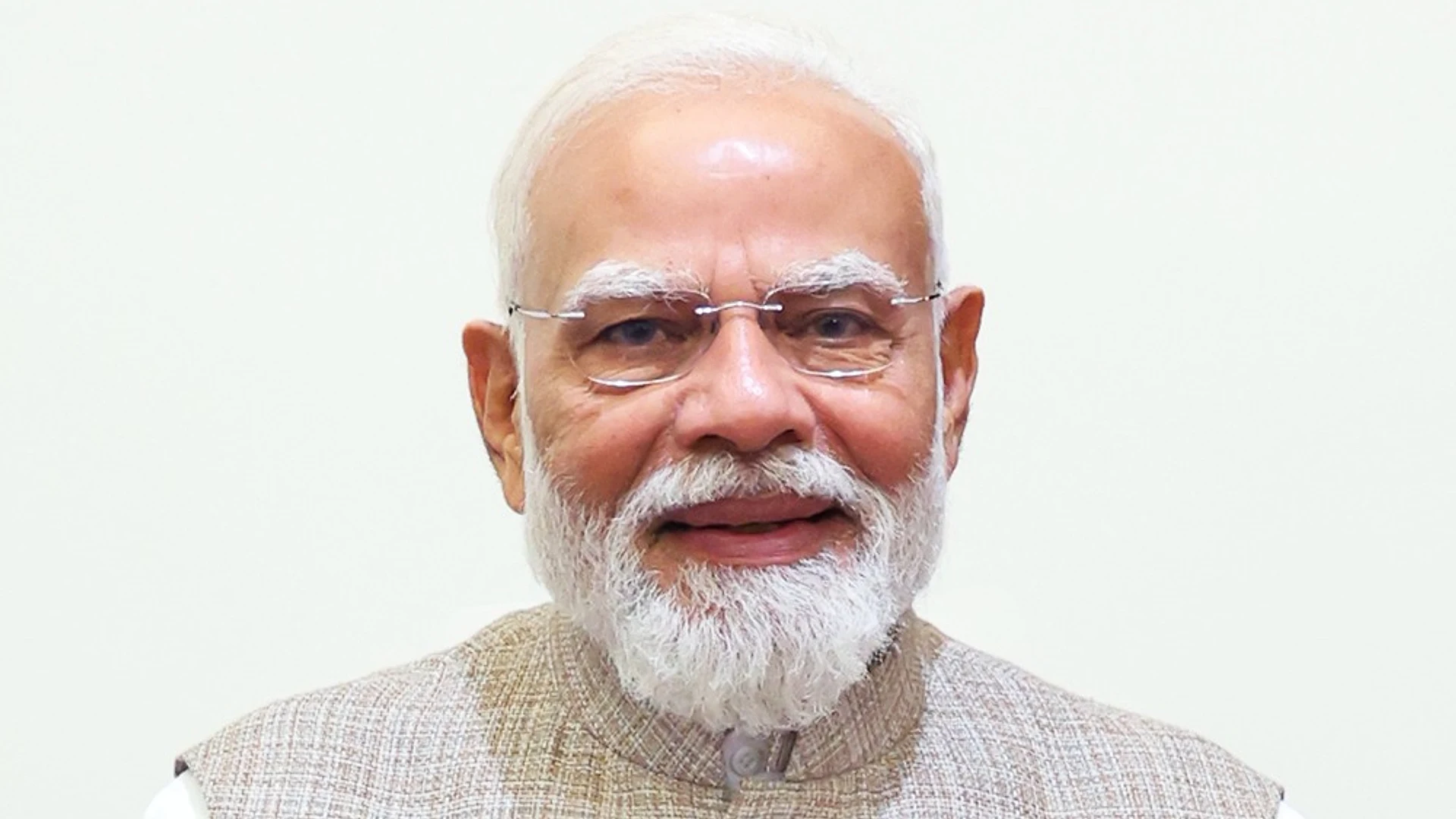
Indian Prime Minister Narendra Modi has congratulated President Hakainde Hichilema on his re-election, promising to deepen a partnership that already reaches into Zambian medicine cabinets, bus fleets, rural clinics and the restructured national debt.
Key takeaways
- Indian Prime Minister Narendra Modi has congratulated President Hakainde Hichilema on his re-election, in a message posted on X on 20 August.
- Modi said India “greatly values” its multifaceted partnership with Zambia and offered to work with Hichilema to strengthen relations during the second term.
- India is Zambia’s largest source of imported medicines, supplying US$137 million of pharmaceutical products in 2024, about five times the next supplier.
- India is also a restructured creditor. In May 2025 the Export-Import Bank of India signed an agreement covering about US$320 million of Zambian government debt plus US$15 million owed by ZESCO.
- For importers of medicines, vehicles and machinery, the message points to continuity in one of Zambia’s steadier trading relationships.
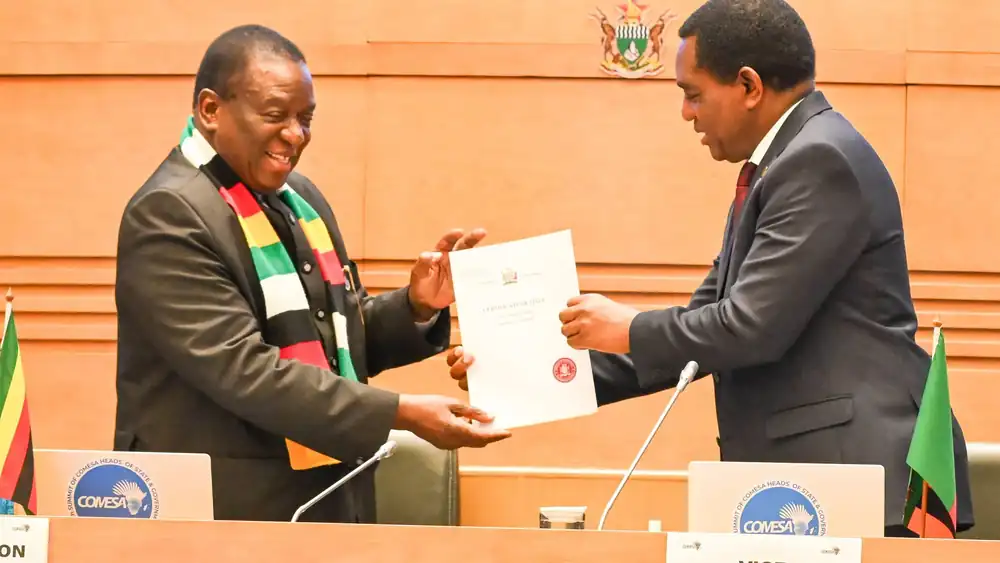
Modi posted the message on X on the evening of 20 August, two days after the Electoral Commission of Zambia declared Hichilema the winner of the 12 August general election. “Heartiest Congratulations to President Hakainde Hichilema on being re-elected as the President of Zambia,” the Indian leader wrote. “India greatly values its multifaceted partnership with Zambia and I look forward to working together to further strengthen our relations under his leadership.”
The message, addressed to Hichilema’s own account, had drawn more than 220,000 views within a day. It places New Delhi alongside Mogadishu, Luanda and Washington on the list of capitals that have endorsed the result since the declaration, and it carries more economic weight than most.
What the message said
Two sentences carry three commitments. The congratulations themselves, which arrived promptly and without qualification about the disputed count. The description of the partnership as “multifaceted”, a word that does honest work in this relationship. And the offer to work “under his leadership” in the second term, which reads as an early bet on continuity.
The warmth is deliberate. “Heartiest congratulations” is a notch above the standard diplomatic template, and Modi’s government has spent a decade courting African votes, markets and minerals through summit diplomacy and credit lines. Zambia sits inside that strategy, and a re-elected president in Lusaka gives Delhi a partner it already knows.
What India actually does in the Zambian economy
Diplomatic ties go back to independence in 1964, and the relationship has thickened since. The measurable parts today:
Medicines. Zambia imported US$137 million of pharmaceutical products from India in 2024, according to OEC trade data. South Africa, the next largest supplier, sold US$19.7 million. Indian generics fill most private pharmacy shelves in Lusaka, Kitwe and Livingstone, and they price the medicines that government hospitals and the National Health Insurance Management Authority reimburse.
Credit. The Export-Import Bank of India has extended successive lines of credit to Lusaka over two decades, from a US$10 million facility in 2003 that helped put TATA buses on Zambian roads to a US$50 million line that financed 650 prefabricated health posts delivered across the country. Each line ties procurement to Indian suppliers, so the credit doubles as an export channel.
Trade. Bilateral trade has run at roughly US$1 billion at its recent peak. Zambia’s side of the ledger is dominated by copper and gemstones, including emeralds from the Kagem and other mines that are mostly cut and polished in Jaipur before reaching world auction rooms.
People. An Indian-origin trading and professional community has been part of Lusaka’s commercial life for generations, visible in retail, engineering services and agro-processing, and Indian firms hold a steady share of the vehicle, machinery and chemicals market.
The creditor dimension
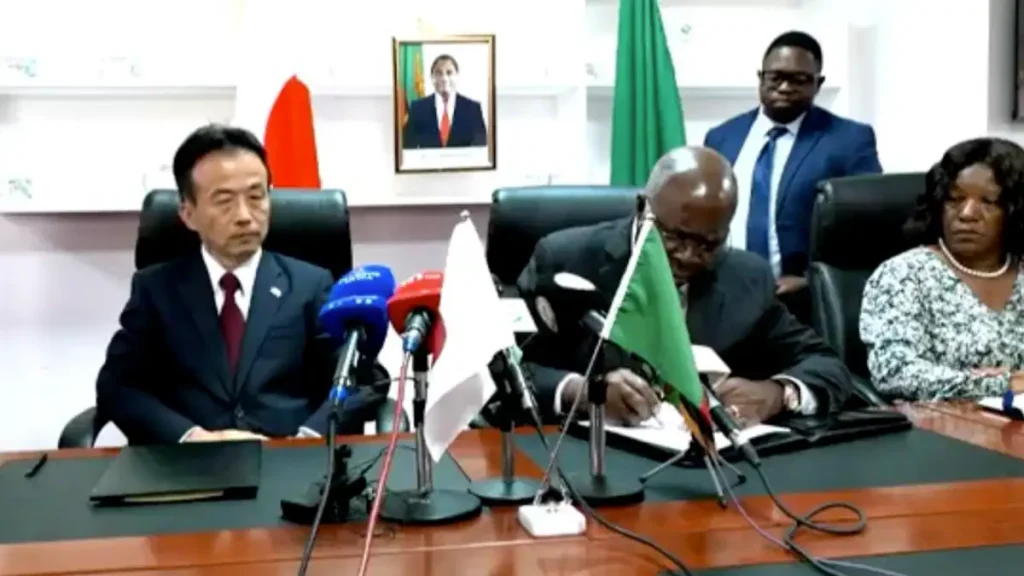
There is a second ledger behind the warm words. India sat inside the Official Creditor Committee that renegotiated Zambia’s bilateral debt under the G20 Common Framework after the 2020 default. In February 2024 Hichilema announced that China and India had signed bilateral restructuring agreements, and in May 2025 Zambia formalised the Indian portion with the Export-Import Bank of India: about US$320 million of central government debt, plus US$15 million owed by ZESCO, the state power utility.
So the congratulations arrive from a government that is also a restructured creditor of the state. That cuts both ways. Cordial relations make the scheduled reviews of that debt easier to manage, and an early endorsement of the election result reads like a creditor comfortable with being repaid on the new timetable.
Why it matters for business and investors
For pharmacies, hospitals and insurers, the Indian pharmaceutical pipeline is the supply chain, and any disruption to it would be felt in drug prices within weeks. For transporters and farmers, Indian vehicles and spare parts set a benchmark price in the market. For treasury watchers, the EXIM agreement is one of the bilateral deals underpinning the debt relief that helped the turnaround that won the election.
Continuity in Delhi also fits the second-term agenda set out in our analysis of what Hichilema’s re-election means for the economy and markets: repair the balance sheet, court investment in copper and agriculture, and keep trade partners settled while the domestic programme beds in. A prompt, friendly message from one of the world’s largest buyers of African minerals does no harm to that pitch.
What happens next
The inauguration and cabinet announcements come first, and more congratulatory messages are expected as capitals complete their rounds. The test of substance will be quieter: whether new EXIM credit lines follow for infrastructure or agro-processing, whether Indian pharmaceutical firms move from exporting to local formulation, and whether gemstone cutting stays in Jaipur or shifts part of the value chain closer to the mines. The Zambian Economist will track each of these as the second term begins.
Related coverage
- Somalia’s Mohamud Congratulates Hichilema on Re-Election, Pledges Stronger Zambia Ties
- America Congratulates Hichilema on Reelection, Signalling Continuity in Zambia’s Biggest Investment Relationship
- Angola’s Lourenço Congratulates Hichilema, Hails Zambia’s Democratic Maturity
- Hichilema’s Second Term: What It Means for Zambia’s Economy, Markets and Diplomacy
- Zambia’s Turnaround Won the Election. Now It Has to Deliver.
Related: Egypt’s El-Sisi congratulates Hichilema and calls for deeper Zambia ties.
WARNING! All rights reserved. This material and all other digital content on this website may not be reproduced, published, broadcast, rewritten, or redistributed, in whole or in part, without the prior express permission of The Zambian Economist. Where permission is granted, the content must be clearly credited to “The Zambian Economist,” with “www.zambianeconomist.com” prominently displayed.
WhatsApp: +260775574228 | Email: info@zambianeconomist.com
© 2026 The Zambian Economist.
Work With The Zambian Economist
Related: Traditional leaders have added their congratulations, with the Litunga asking for palaces, boarding schools and tertiary education. Read: Litunga, Senior Chief Mweemba Congratulate Hichilema on Re-Election.