

Key Takeaways
- The Library Development Foundation’s Community Enlightenment Program has hosted four online master classes since October 2026, covering three topics: money decisions, multiple intelligences and counselling.
- Ms. Enita Nawa Machichi, Mr. Joseph Chimpampwe and Dr. Simataa Kenneth Soonga each gave their time free of charge. Mr. Chimpampwe led two of the four sessions.
- The series pairs practical skills with personal growth, from household budgeting to mental health.
- LDF says the series continues, with more speakers lined up before the end of the year.
Every so often, a community programme quietly does what many well-funded initiatives struggle to do: it shows up and delivers. The Library Development Foundation’s Community Enlightenment Program Master Class Series is that kind of programme. Across four sessions held on Google Meet in October and early November 2026, LDF brought three very different professionals before an online audience with one shared purpose, namely to help ordinary Zambians make better decisions about money, work and mental wellbeing.
The Zambian Economist spent time with the session reports and the foundation’s own words of thanks. What emerges is a picture of generosity, and of an audience hungry for exactly this kind of conversation.
Money, and the Decisions That Never Leave Us Alone
On 4 November 2026, Ms. Enita Nawa Machichi, a finance and credit risk professional, spoke to LDF participants about “The Money Decisions That Shape Our Lives.” Her session walked listeners through the choices that follow a person from childhood to retirement: how we learn to spend, why we borrow, and what credit risk really means when it sits on a family’s kitchen table rather than a bank’s spreadsheet.
Participants described the session as engaging and insightful, words LDF echoed in its own thank-you message. Ms. Machichi, the foundation noted, brought “knowledge, expertise and passion for financial literacy” and left the audience inspired to make smarter, more confident choices about their money. In an economy where a single poor borrowing decision can swallow a household’s savings, that is not a soft skill. It is survival training.
Intelligence Beyond the Classroom
In the two weeks before, on 21 and 28 October 2026, Mr. Joseph Chimpampwe led two consecutive sessions, a sign of how much the first conversation resonated. As Chief Executive Officer of the Zambian Premier League, he runs an organisation where judging people narrowly is a costly mistake, and his topic, “The Importance of Different Forms of Intelligence,” drew directly on that experience.
The first session set out the argument and traced it through his own career, from his start in banking to football administration. The second named five forms of intelligence: academic, emotional, social, practical and creative. It also showed how people with average grades often succeed through emotional, social and practical strength.
His argument was simple and liberating: academic ability is one form of intelligence among many. Emotional intelligence, social intelligence, practical problem solving and creative thinking each open doors that certificates cannot. For young people in a job market that often feels rigged in favour of paper qualifications, hearing a league chief executive say that talent wears many suits was, by participants’ accounts, quietly revolutionary.
Why Counselling Belongs to Everyone
The series opened its mental health thread on 14 October 2026 with Dr. Simataa Kenneth Soonga, Executive Director of the Counselling Association of Zambia. His topic was ambitious in scope: “Why Counselling Is Important for the Growth of the Individual, Family, Community, Institution, and Country.”
Dr. Soonga’s session made the case that counselling is not a service for crisis moments alone. It is a growth tool, one that builds stronger individuals, healthier families, more supportive communities and, ultimately, a steadier country. LDF thanked him for a “beautiful and insightful presentation,” praising his “expertise, clarity and passion for mental health” and noting that he gave participants “fresh perspectives, practical insights and renewed motivation.”
The Speakers Behind the Sessions
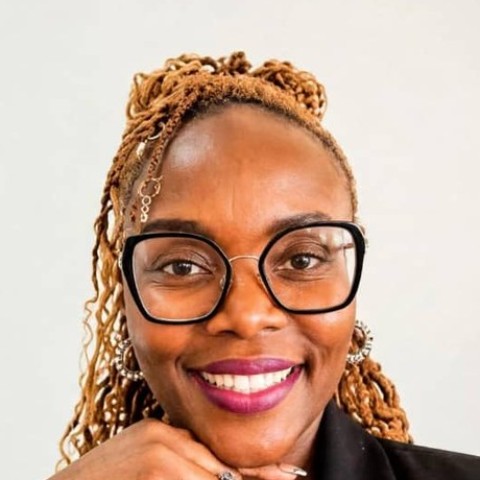
Enita Nawa Machichi
Finance and Credit Risk Professional
Zambia
Enita Nawa Machichi is a Zambian finance and credit risk professional. On 4 November 2026 she led the LDF master class “The Money Decisions That Shape Our Lives”.
Her work centres on financial literacy, borrowing and credit risk. Her session followed the money choices a person makes from childhood to retirement, from learning to spend to deciding when to borrow.
She believes financial literacy belongs to every household, not only the wealthy.

Joseph Chimpampwe
Chief Executive Officer, Zambian Premier League
Zambia
Joseph Chimpampwe is Chief Executive Officer of the Zambian Premier League. He spoke at two LDF master class sessions on 21 and 28 October 2026 on “The Importance of Different Forms of Intelligence”.
Drawing on his experience in football administration, he argued that academic ability is one form of intelligence among many. Emotional and social intelligence, practical problem solving and creative thinking also shape success at work and in life.
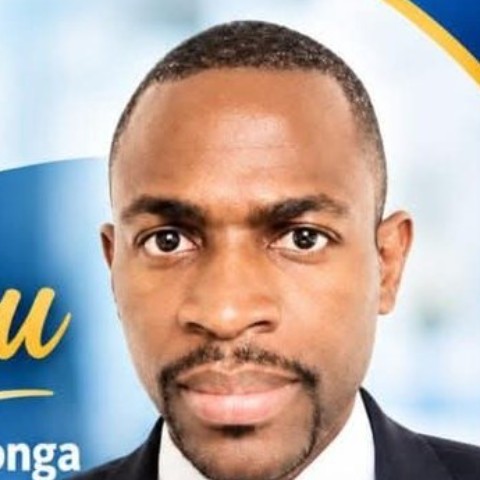
Dr Simataa Kenneth Soonga
Executive Director, Counselling Association of Zambia
Zambia
Dr Simataa Kenneth Soonga is Executive Director of the Counselling Association of Zambia. He opened the series on 14 October 2026 with “Why Counselling Is Important for the Growth of the Individual, Family, Community, Institution, and Country”.
His interests include mental health, counselling practice and family wellbeing. He presents counselling as a tool for growth rather than a service reserved for moments of crisis.
Each of these speakers gave their time and knowledge freely. That matters. Programmes like this run on volunteers, and every hour a professional donates is an hour invested in someone’s future.
A Foundation That Keeps Its Promises
The Library Development Foundation deserves credit not only for hosting the series but for the way it closes each session, with a public, generous thank-you that names the speaker and honours the topic. In a sector where appreciation is often an afterthought, LDF treats gratitude as part of the curriculum. Its badge line for the series says it plainly: “Your message impacts lives.”
The Master Class Series continues. If the first four sessions are any measure, the virtual room will keep filling, because Zambians are not short of ambition. They are short of people willing to sit with them and share what they know.
To Ms. Machichi, Mr. Chimpampwe and Dr. Soonga: thank you. And to LDF: keep the seats warm.
Are you doing valuable work in Zambia’s communities? The Zambian Economist wants to hear from you. Reach out through our Meet Our Contributors page or submit an article and tell your story.
© 2026 The Zambian Economist. All rights reserved. No part of this publication may be reproduced, distributed, or transmitted in any form or by any means without the prior written permission of the publisher, except in the case of brief quotations embodied in reviews and certain other non-commercial uses permitted by copyright law.
Work With Us: Advertise With Us | List Your Company | Submit an Article