Zambia has urged Commonwealth partners to turn shared democratic values into practical support for debt sustainability, investment and protection against climate shocks.
By The Zambian Economist Analyst
Key Takeaways
- Zambia called for sustainable debt solutions and affordable development and climate finance at the 2 November foreign ministers’ meeting in Antigua and Barbuda.
- The delegation backed democracy, human rights and the rule of law, alongside a stronger voice for developing countries in global institutions.
- Trade, technology transfer and climate adaptation featured in Zambia’s proposals. No new financing package was announced in the meeting account.
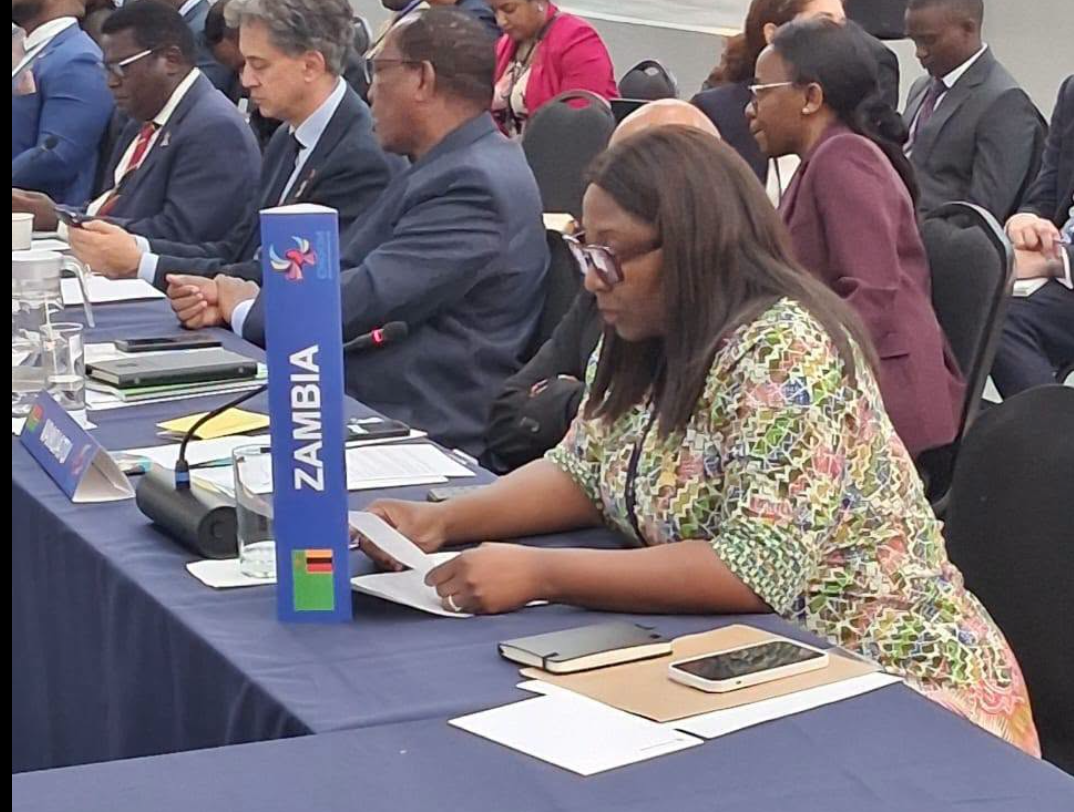
ST JOHN’S, Antigua and Barbuda, 2 November 2026. Zambia has called for the Commonwealth to translate solidarity into sustainable debt solutions, affordable finance and wider trade opportunities, while reaffirming its commitment to democracy and the rule of law.
Permanent Secretary for International Relations and Cooperation Etambuyu Anamela Gundersen delivered Zambia’s intervention at the Pre-CHOGM Commonwealth Foreign Affairs Ministers Meeting on Monday, according to the supplied account of Zambia’s participation.
Her intervention connected the organisation’s shared values with the economic pressures facing developing countries: debt servicing, climate-related damage and access to investment. It called for measurable benefits for citizens from Commonwealth cooperation.
What did Zambia ask Commonwealth partners to deliver?
Zambia sought a fairer international economic system, sustainable debt solutions and greater access to affordable development and climate finance. It also called for more intra-Commonwealth trade and investment, with technology transfer and partnerships to support industrialisation and jobs.
For Zambian businesses, the practical question is whether diplomatic commitments lead to accessible funding, commercial partnerships and opportunities to sell into other markets. The account provides no funding amounts, application arrangements or implementation deadlines. Companies should therefore treat the intervention as a statement of policy priorities rather than an announcement of a financing facility.
The proposals complement the wider investment agenda surrounding Zambia’s representation at CHOGM 2026. The summit’s theme is “Accelerating Partnerships and Investment for a Prosperous Commonwealth”.
Democratic values and a stronger voice for developing states
Gundersen reaffirmed Zambia’s support for democracy, human rights, constitutionalism and accountable institutions. Zambia also sought closer coordination among foreign ministers and a more inclusive international system that reflects the interests of smaller and developing states.
The economic link is straightforward: governments seeking long-term investment need institutions that can implement agreements and account for public resources. Zambia’s intervention paired its call for international financial reform with support for good governance at home and across the Commonwealth.
Ministers considered reports from Commonwealth organisations and CHOGM forums, the work of the Commonwealth Ministerial Action Group, developments relating to Belize and the draft CHOGM communiqué. A retreat examined how foreign ministers could promote shared Commonwealth interests and values amid international tensions.
Why climate finance matters to Zambia
Zambia drew attention to climate shocks affecting agriculture, energy and livelihoods. It called for practical adaptation support and predictable climate financing.
For a farmer, adaptation could mean investment that reduces exposure to erratic rainfall. For a business, more resilient energy infrastructure could reduce disruption. Those are potential channels through which financing could help; the meeting account does not identify approved projects or beneficiaries.
The distinction between grants and loans will matter when any proposals become concrete. Zambia’s simultaneous calls for debt sustainability and climate finance put the cost and terms of future funding at the centre of the policy discussion.
Technology partnerships need practical follow-through
The delegation also called for efforts to bridge the digital divide and identified artificial intelligence as a possible tool for inclusive development. For Zambia, the test will be whether partnerships widen affordable access to technology and build the skills needed to use it.
What should readers watch next?
Gundersen called for better consultation, coordination with regional and multilateral initiatives, and measurable outcomes. The next evidence to examine is whether the final communiqué and subsequent agreements specify funding, responsible institutions and delivery dates.
Zambia’s delegation was led by Gundersen and included High Commissioner to the United Kingdom Macenje Mazoka and Theresa Chanda, Assistant Director for International Organisations.
The Commonwealth provides a forum for advancing these priorities. Whether the discussions improve access to finance or create business opportunities will depend on the agreements and implementation that follow.
Related coverage: Economic Diplomacy | Leadership & Governance | Business & Economy | Zambia’s economic priorities at the Russia-Africa summit.
Sources: Supplied account of Zambia’s participation, dated 2 November 2026; Commonwealth CHOGM 2026 information. The Zambia-specific intervention is attributed to the supplied account.
Explore our Business Directory and Events. Subscribe to The Ledger for Zambia’s business and policy coverage.
Related: Zambia Joins Commonwealth Trade Portal Pilot as Bloc Targets US$2 Trillion in Trade
WARNING! All rights reserved. This material and all other digital content on this website may not be reproduced, published, broadcast, rewritten, or redistributed, in whole or in part, without the prior express permission of The Zambian Economist. Where permission is granted, the content must be clearly credited to “The Zambian Economist,” with “www.zambianeconomist.com” prominently displayed.
WhatsApp: +260775574228 | Email: info@zambianeconomist.com
© 2026 The Zambian Economist.