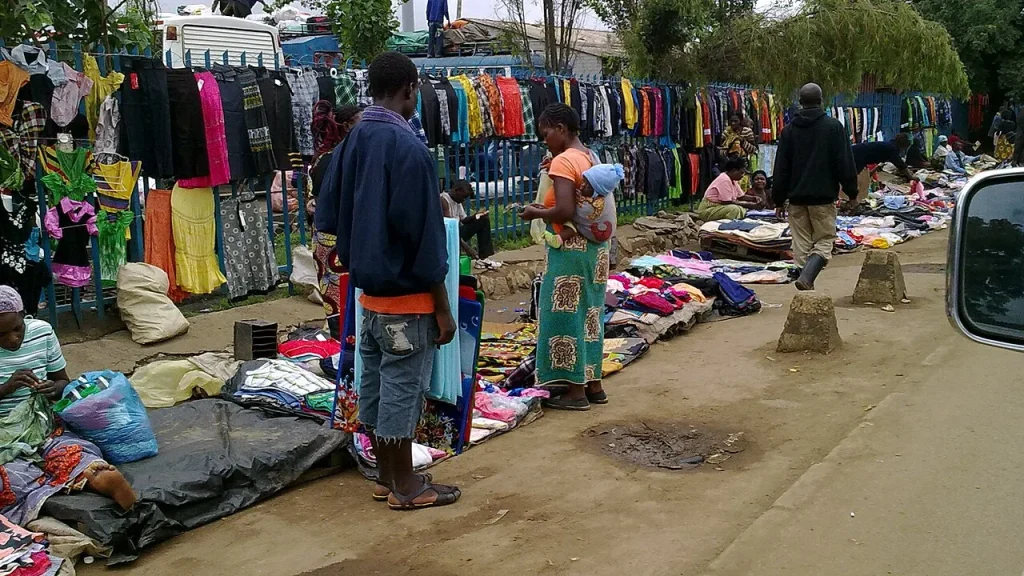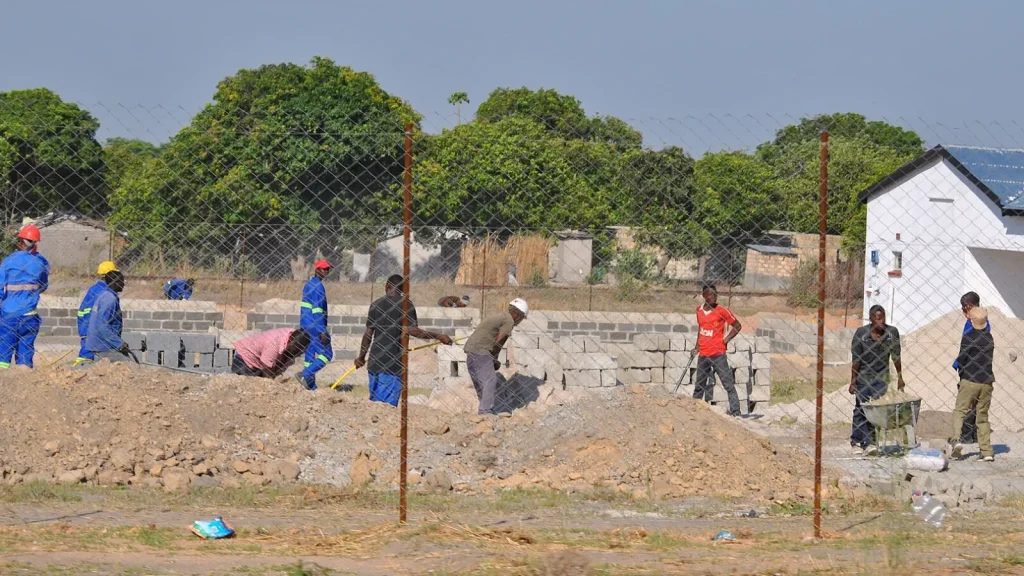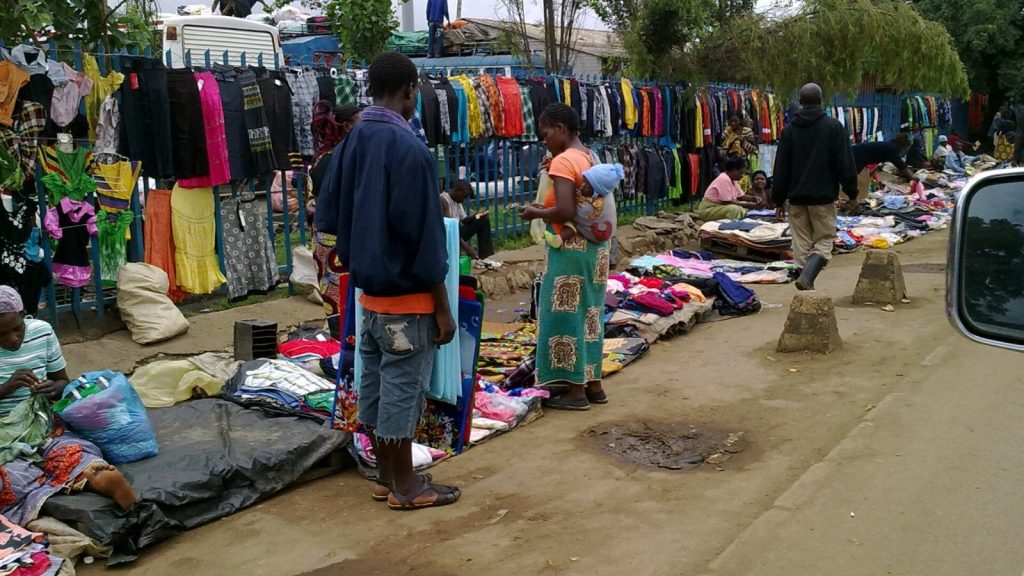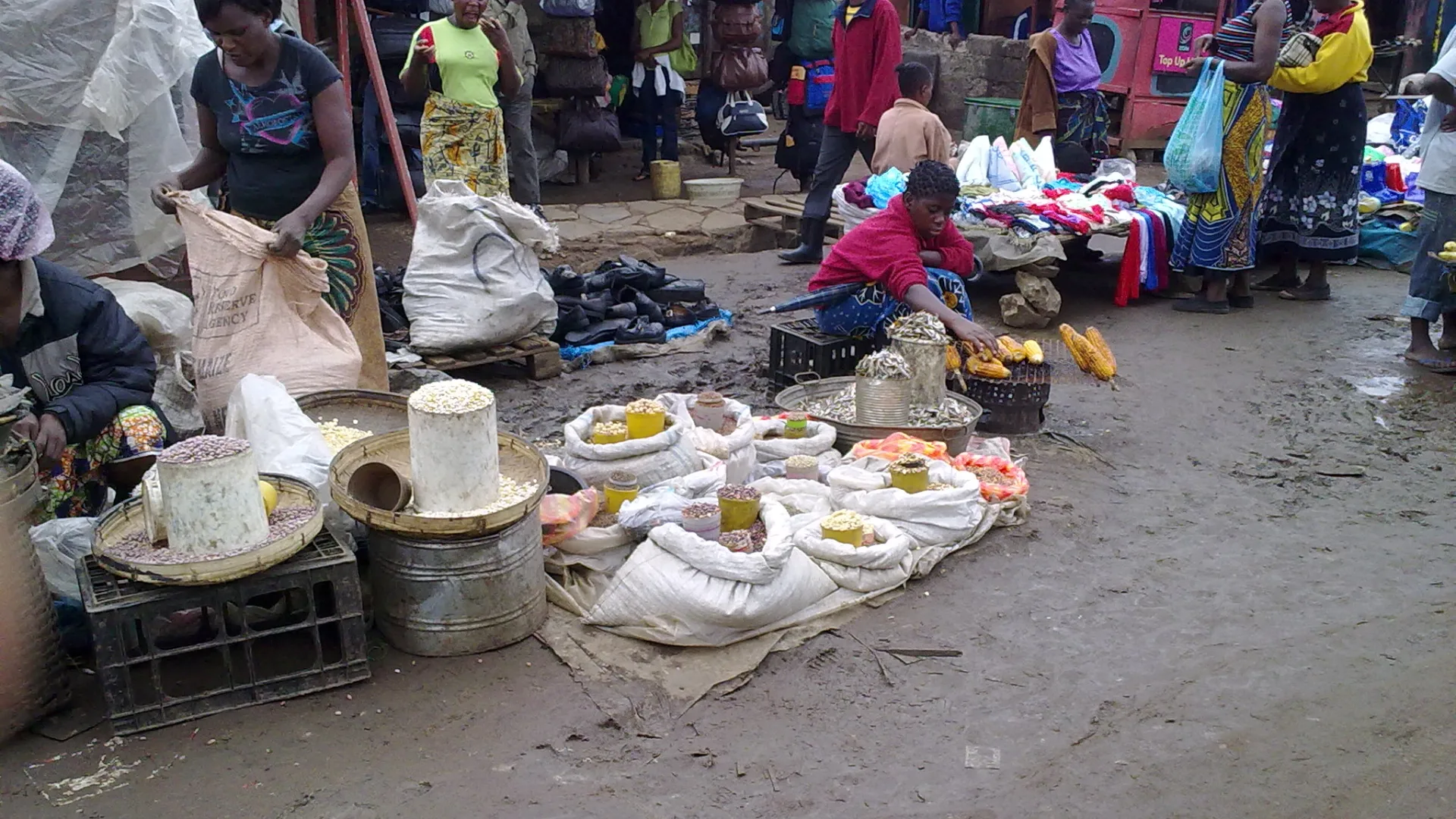
Every loaf of bread, tank of fuel and restaurant bill carries a 16% tax. In 2026 the government expects VAT to raise K54.4 billion, roughly a quarter of all domestic revenue.
By Nathan Meleki, Contributor Writer | The Zambian Economist Analyst | 1 November 2026
KEY TAKEAWAYS
- Zambia’s standard VAT rate is 16%. A K100 taxable purchase costs the consumer K116 at the till.
- The 2026 National Budget projects domestic revenue of about K206.5 billion, of which VAT is expected to contribute roughly K54.4 billion.
- ZRA collected K61.05 billion in gross VAT in 2025; after K24.05 billion in refunds, net VAT came to about K37.0 billion.
- VAT is not earmarked. It flows into the general revenue pool that funds allocations such as K33.0 billion for education and K26.2 billion for health in 2026.
- No single purchase pays for a specific classroom or clinic; millions of taxable transactions together finance the budget.
A student at Copperbelt University walks into a supermarket in Kitwe to buy groceries. Among the items is a loaf of bread. At the till, the price she pays includes Value Added Tax (VAT) where it applies. That everyday purchase also does something less visible: it feeds domestic revenue mobilisation, the process by which the state funds itself from taxes raised inside the economy.
No single purchase finances a public project. But millions of taxable transactions a year add up, and VAT is one of the largest single sources of that pool. The chain runs from the till, to the business that accounts for the tax, to the Zambia Revenue Authority (ZRA), and finally into the national budget. Each link is worth understanding.
From the till to tax collection
VAT is a consumption tax charged on the supply of taxable goods and services. Zambia’s standard rate is 16%, with some supplies zero-rated and others exempt.
Consider a VAT-registered retailer selling a taxable product for K100 before tax. The VAT adds K16, bringing the final price to K116. The consumer pays K116. The retailer holds the K16, deducts any eligible input VAT it paid on its own purchases, and remits the balance to ZRA.
This design puts businesses at the centre of VAT administration while the economic burden falls on the final consumer. Every household, restaurant and trading business that buys a taxable supply is therefore part of the country’s tax base, whether or not it ever files a tax return itself.
What VAT contributes to the 2026 Budget
The 2026 National Budget projects total expenditure of about K253.1 billion against expected domestic revenue of roughly K206.5 billion. VAT is budgeted to contribute approximately K54.4 billion, working alongside income taxes, customs and excise duties, fees and other revenue sources.
Recent actual collections give a sense of how the tax performs. According to ZRA’s 2025 Annual Report, gross domestic and import VAT collections amounted to about K61.05 billion. After refunds of roughly K24.05 billion, net VAT stood at approximately K37.0 billion.
The gross and net figures answer different questions, and confusing them overstates performance. Gross collections measure VAT received before refunds; net collections measure what remains after the government has paid money back to businesses. The K54.4 billion figure for 2026 is a budget estimate, not a collection, and should be judged against the net outturn once the year closes.
How the revenue is spent
Once collected, VAT is not earmarked for any particular classroom, hospital or road. It joins the general resource pool, and the annual budget decides where that pool goes.
In the 2026 Budget, education received an allocation of about K33.0 billion and health K26.2 billion. A school in Eastern Province needing new classrooms draws on allocations of that kind. The VAT on one packet of bread in Kitwe does not pay for a specific wall; it adds to the revenue that makes the allocation possible.
Why the size of the economy sets the size of the budget
The government can only collect tax from transactions that happen. Household purchasing power, business activity, production and trade all determine the volume of taxable sales.
Picture a trader at Masala Market in Ndola buying stock from a wholesaler before selling to customers. Suppliers, transporters and retailers each handle the goods, and where the supplies are taxable, VAT applies along the chain. When activity contracts, so does the tax take; when production, formal employment and trade expand, the base widens.
The same mechanism cuts the other way. VAT raises the final prices consumers pay, which squeezes household purchasing power. Which supplies are exempt or zero-rated, and where the standard rate falls, are therefore among the most consequential choices in Zambian tax policy.
The connection between consumption and public finance
The journey from the till to the treasury is short in accounting terms and long in effect. A consumer pays, a business accounts, ZRA collects, and the proceeds finance the budget. VAT on any one purchase looks negligible; across millions of transactions it is one of the largest revenue lines the state has.
For ordinary Zambians, that is the real relationship. Paying VAT is not paying for a specific project; it is contributing to the revenue base that education, health and infrastructure allocations are drawn from. The stronger the economy behind that base, the stronger the budget it supports.
About the author
Nathan Meleki
Writer and Poet | Kitwe, Copperbelt Province, Zambia
Nathan Meleki is a Zambian writer and poet based in Kitwe, Copperbelt Province. He is studying Mathematics at Copperbelt University and holds a Business Administration certificate from Faith Leads University (USA). He has written for Kuchalo Media and the Daily Nation, covering economics, inflation, the cost of living, public policy, education, culture and the arts, and aims to make complex issues accessible. Meet our contributors.
WARNING! All rights reserved. This material and all other digital content on this website may not be reproduced, published, broadcast, rewritten, or redistributed, in whole or in part, without the prior express permission of The Zambian Economist. Where permission is granted, the content must be clearly credited to “The Zambian Economist,” with “www.zambianeconomist.com” prominently displayed.
WhatsApp: +260775574228 | Email: info@zambianeconomist.com © 2026 The Zambian Economist.
Work With The Zambian Economist: Advertise With Us | List With Us | Submit an Article