LUSAKA – As Zambia prepares for the General Election on 13 August 2026, thousands of voters may spend part of the day travelling to polling stations, waiting in queues and returning home after casting their ballots.
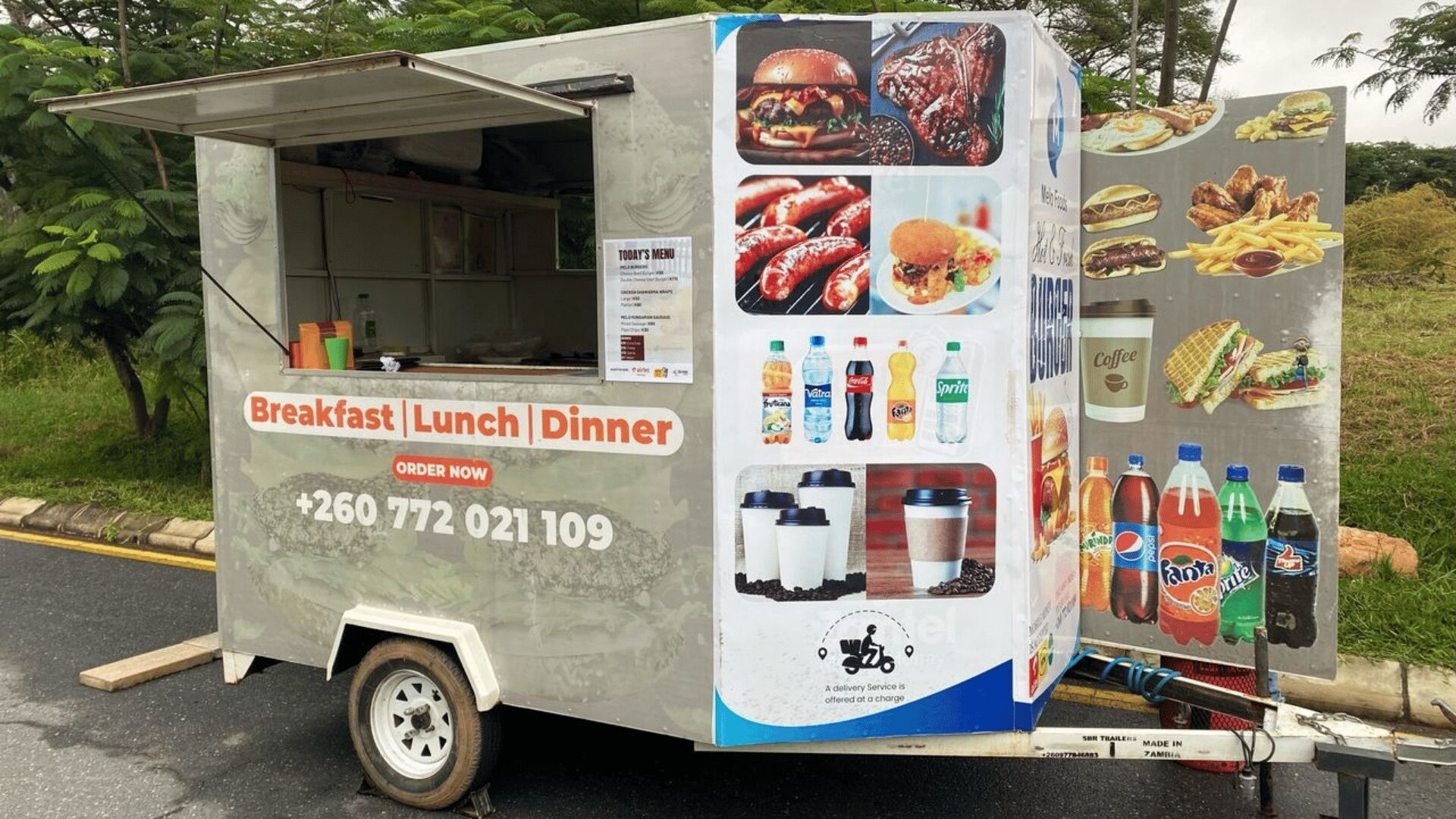
For enterprising young people, that movement could create short-term demand for bottled water, tea, coffee, soft drinks, bread, buns and simple meals.
It is a genuine micro-business opportunity, but not a guaranteed payday. Turnout may differ significantly between polling stations, queues may move quickly, and restrictions around election premises could prevent vendors from trading where they expected.
The opportunity therefore requires careful planning, limited stock and strict respect for electoral, council and public-health rules.
What could voters need?
Voting can involve early travel and an uncertain waiting period. People arriving before breakfast may want tea, coffee, fritters, buns or sandwiches. Later in the day, demand may shift towards bottled water, soft drinks and prepared food.
- Bottled water
- Tea and coffee in disposable cups
- Buns, scones, fritters and bread
- Prepacked sandwiches and boiled eggs
- Packaged snacks and biscuits
- Soft drinks and juice
- Simple takeaway meals
- Mobile airtime and charging services, where lawful and practical
The safest products are generally affordable, easy to carry, quick to serve and unlikely to spoil during the day.
Alcohol should be avoided. Apart from licensing requirements, selling alcohol near an election-related gathering would introduce unnecessary legal, public-safety and reputational risks.
Location matters more than stock
The business opportunity is not permission to trade inside a polling station, on school grounds or immediately beside a voting queue.
A vendor should identify a lawful trading point near a route used by voters, but sufficiently removed from the polling station to avoid disrupting voting, blocking access or appearing to influence voters.
The Electoral Process Act and its Code of Conduct regulate behaviour around polling stations. Among other restrictions, political supporters may not continuously remain at a polling station, and campaign material may not be worn within 400 metres on polling day. These provisions do not create a licence to trade. Vendors should seek guidance from the local council, property owner and officers responsible for the intended location.
A young entrepreneur should never argue with election officials over a trading position. If instructed to move, the sensible response is to comply and operate from an authorised location.
Political neutrality is essential
An election-day vendor should look and behave like a businessperson, not a campaign representative.
Products, clothing, umbrellas, vehicles and packaging should not carry the colours, slogans or symbols of a political party or candidate. Traders should not campaign, distribute political material or offer discounts based on a customer’s political preference.
Food and drinks must never be offered as an inducement to vote for a candidate. The business should involve ordinary commercial transactions at clearly displayed prices.
Start small because turnout is uncertain
The biggest commercial risk is overstocking.
A polling station may have many registered voters, but that does not mean everyone will arrive at the same time or purchase refreshments. Some people may vote quickly. Others may carry food and water from home. Poor weather, transport difficulties and competing vendors could also reduce sales.
A cautious trader could begin with a small batch and arrange for additional stock to be delivered only if demand becomes clear. Instead of preparing 100 meals before sunrise, for example, a vendor could start with 20 or 30 portions.
Bottled drinks and packaged food are less risky because unsold stock may be sold later, provided it remains safe and within its expiry date. Fresh food, milk-based drinks and cooked meals carry greater spoilage risk.
Calculate the break-even point
Before buying stock, the entrepreneur should calculate the minimum number of items that must be sold to recover the day’s costs.
Break-even quantity = fixed costs divided by profit per item
Suppose transport, ice, packaging and permission to use a trading space cost K200. If the trader earns K2 after the direct cost of each bottle of water, 100 bottles must be sold to recover those fixed costs. Only sales above that point generate an operating profit.
The calculation should include wholesale stock, transport, ice or refrigeration, charcoal or electricity, disposable cups, trading fees, mobile-money charges, spoilage and payment for any assistant.
Turnover is not the same as profit. A person who receives K1,000 in sales but spends K850 on stock and operating costs has made only K150 before accounting for their time.
Consider a low-risk product mix
Low-risk stock
Bottled water, biscuits and packaged snacks may offer smaller margins, but unsold products can often be sold later.
Morning demand
Tea, coffee, buns and fritters may sell well among early voters, although demand could fall quickly after breakfast.
Higher-value food
Sandwiches and takeaway meals may generate more revenue per customer, but they also create greater spoilage and food-safety risks.
A balanced approach could focus on water and packaged snacks, supported by a limited quantity of fresh food.
Food safety cannot be ignored
Election Day is not an exemption from public-health requirements.
Food should be prepared in a clean environment, protected from dust and handled with clean utensils. Vendors should have safe water, covered containers, waste bags and a method for keeping hot food hot and cold products cold.
Lusaka City Council advises food businesses to obtain the relevant food licence and comply with licensing procedures. Requirements may differ between councils and types of business, so traders should confirm the applicable rules before Election Day.
A short-term profit is not worth causing illness or having stock confiscated.
Mobile money and basic security
Some customers may not carry cash. A trader with an existing mobile-money account could accept digital payments, provided transaction confirmations are checked carefully.
Network congestion remains possible, so vendors should carry change for cash customers. A charged phone, power bank and notebook for recording sales could improve control of the operation.
Working in pairs may also help. One person can manage sales and payments while another handles stock, cleanliness and replenishment. Cash should be stored discreetly and transferred periodically to a secure location or mobile-money account.
A one-day experiment, not guaranteed income
The opportunity should be treated as a small market test rather than a guaranteed source of income.
A profitable day could reveal demand for a longer-term business near a market, school, bus station, construction site or office area. A disappointing day can still provide lessons about pricing and stock management, provided the initial investment was controlled.
Young people should not borrow heavily to finance an uncertain one-day venture. The better approach is to use affordable capital, choose products with resale value and establish a strict maximum loss before buying stock.
A responsible opportunity
Election Day can generate unusual movement and temporary demand. Some young Zambians may earn useful income by serving voters and other people working near election locations.
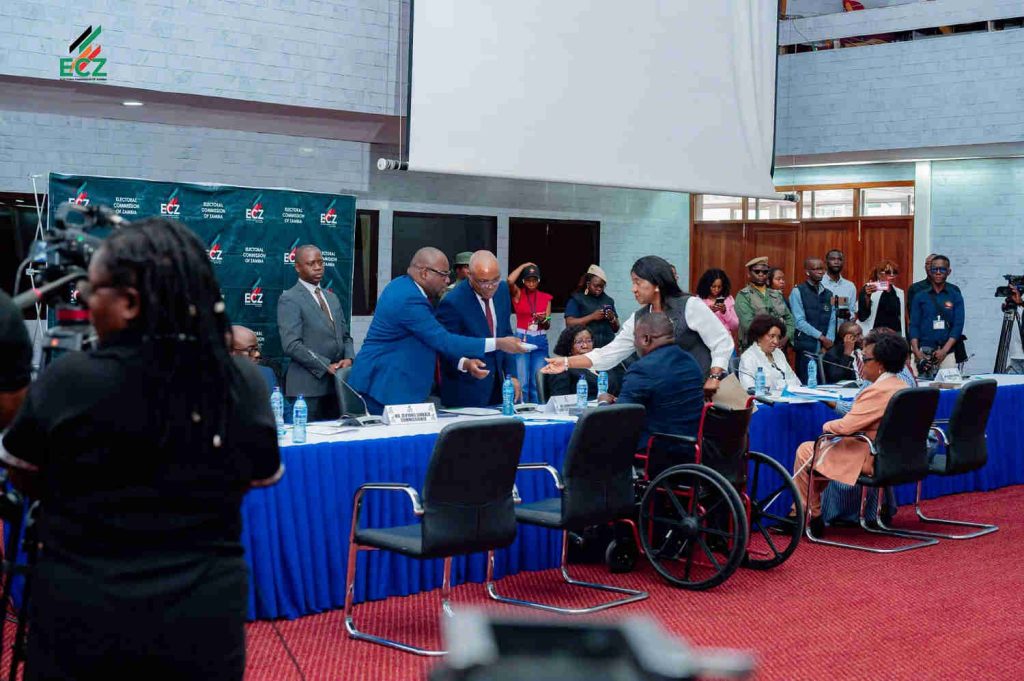
The opportunity, however, must remain separate from political campaigning and election administration. Zambia’s broader electoral preparations, including ECZ consultations with parties and observers, are intended to support an orderly process.
The winning formula for a small trader is straightforward: obtain permission, trade from an authorised location, remain politically neutral, protect food safety, start with limited stock and prepare for demand to be lower than expected.
The objective should be to provide a useful service while protecting both the trader’s capital and the integrity of the voting process. The wider economic importance of the election is examined in Elections Are a Major Economic Event.
Editorial note: This article provides general business information, not legal or financial advice. Vendors should confirm current requirements with their local council, the Electoral Commission of Zambia, property owners and officers responsible for their intended trading location. Legal and licensing references: Electoral Process Act No. 35 of 2016 and Lusaka City Council licensing guidance. Image credit: Melo Events.
WARNING! All rights reserved. This material and all other digital content on this website may not be reproduced, published, broadcast, rewritten, or redistributed, in whole or in part, without the prior express permission of The Zambian Economist. Where permission is granted, the content must be clearly credited to “The Zambian Economist,” with “www.zambianeconomist.com” prominently displayed.
WhatsApp: +260775574228 | Email: info@zambianeconomist.com
© 2026 The Zambian Economist.