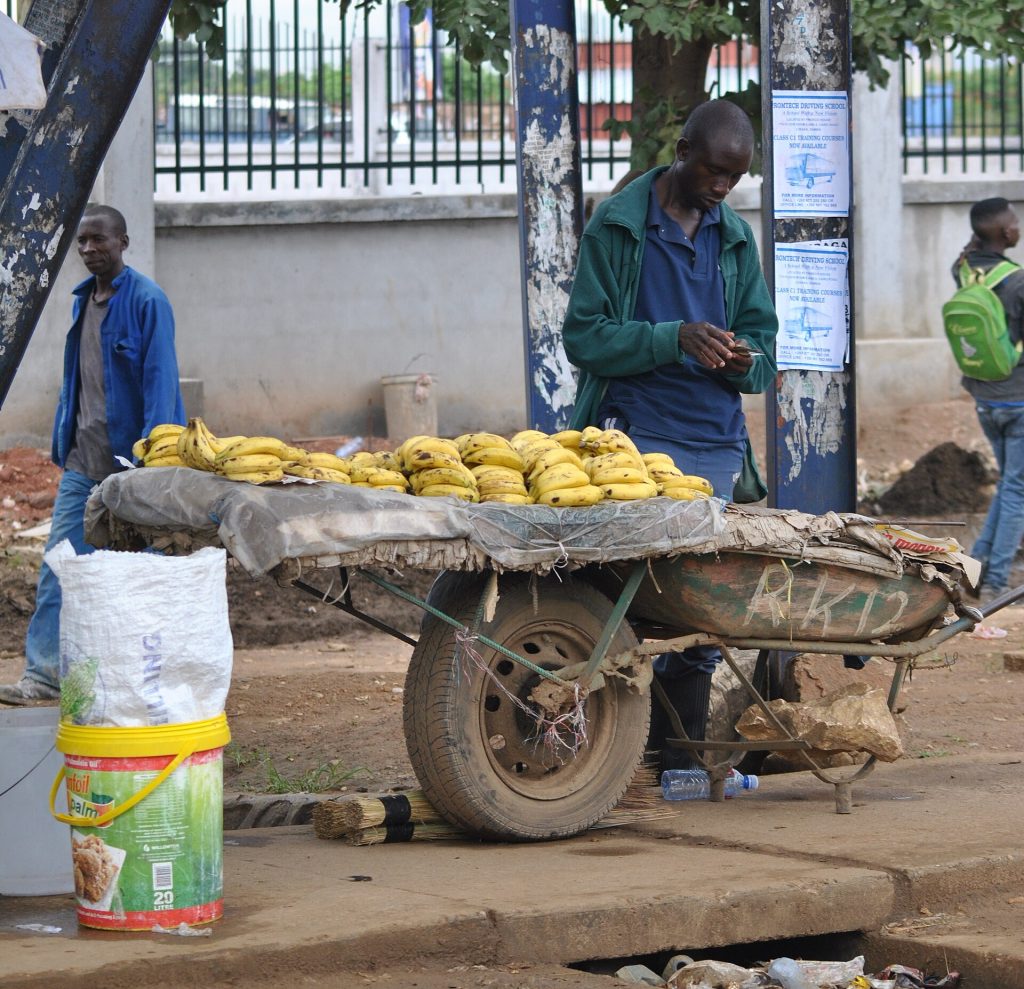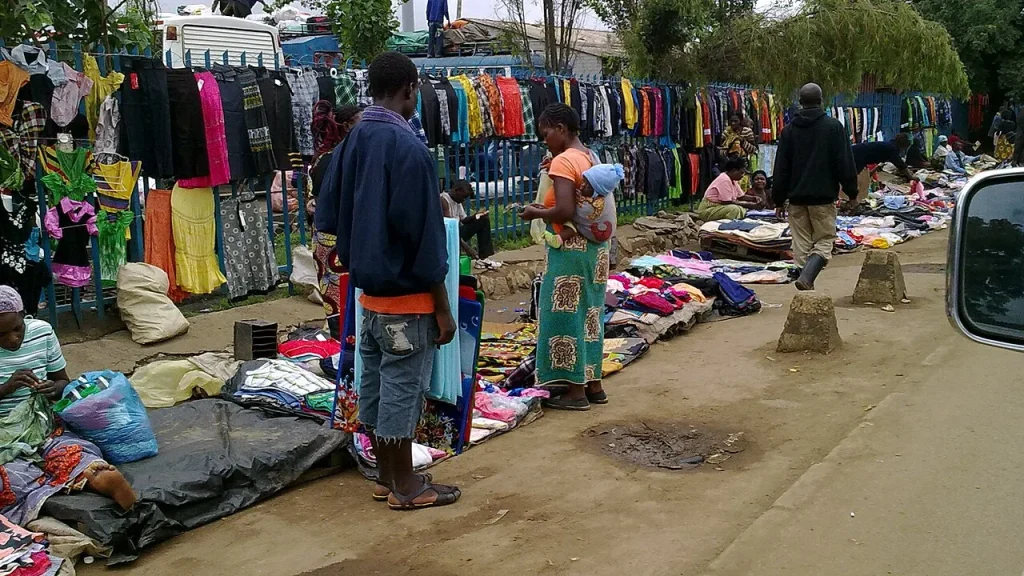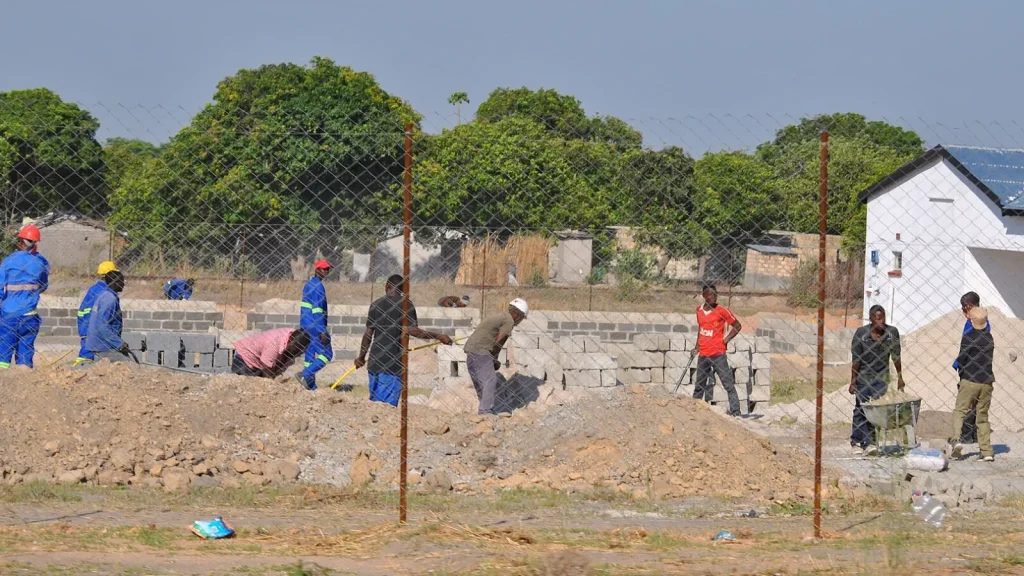

Few Zambians will ever build a power station, sink a mine shaft or run a 2,000-hectare wheat farm. Most will join the Grow Zambia Agenda the way ordinary people join any growth story: by selling something the big producers need.
KEY TAKEAWAYS
- The Grow Zambia Agenda sets eight production targets for 2031, including 3 million tonnes of copper, 10,000 MW of power and 1 million tonnes of wheat. Big investors will deliver the core output; ordinary citizens gain most by supplying them.
- The first step is formal: register with PACRA, get a ZRA TPIN and tax clearance, and secure citizen-owned or citizen-empowered status under the Citizens Economic Empowerment Act of 2006.
- In mining, SI No. 68 of 2025 reserves non-core goods and services for local companies and requires mines to spend a rising share of core procurement locally, from 20% by June 2026 to at least 40% within five years.
- In energy, the Electricity (Net Metering) Regulations of 2024 let households and businesses feed solar power into the grid. About 30 MW of Zambia’s 841 MW of solar was net-metered by mid-2026.
- Government still has to fix late payment, supplier transparency and the cost of credit, or small firms will register and still be locked out.
An ordinary Zambian fits into the Grow Zambia Agenda as a supplier, a service provider or a small producer, not as the main investor. The practical entry point is a registered, tax-compliant business positioned at one link in a sector’s value chain, using the local content rules, empowerment finance and net-metering provisions that are already law.
That answer matters to a household in Libala or Chawama as much as to a farmer in Mpongwe. A question raised among economists last week put it plainly: how do “my people in Libala” contribute to power generation, copper production or wheat? This brief tries to move from the headline targets to what a citizen can do on Monday morning.
The targets, and how far away they are
President Hakainde Hichilema unveiled the 10-10-5-3-3-1-1-1 formula at his inauguration on 1 September 2026 and set it out again when he opened the National Assembly on 9 October. Three of the targets show the size of the gap.
| Sector | Latest figure | 2031 target | Where a citizen fits |
|---|---|---|---|
| Copper | 890,346 tonnes (2025) | 3 million tonnes | Supplying mines with goods and services |
| Electricity | 841 MW of solar alone (July 2026) | 10,000 MW installed | Rooftop generation, solar installation and servicing |
| Wheat | Shortfall of about 110,000 tonnes in 2022/23 | 1 million tonnes | Growing, aggregating, transporting, milling, baking |
Tripling copper output or reaching 10,000 MW will take billions of dollars of foreign and domestic capital. Nobody in Libala is expected to write that cheque. But every tonne of copper and every megawatt needs fuel, food, uniforms, transport, maintenance, security, repairs and construction. That spending is where small Zambian firms can earn.
Step one: become visible on paper
Mines, utilities and large farms cannot buy from a business that does not exist in law. Before chasing any contract, a citizen needs four things:
- Company registration with the Patents and Companies Registration Agency (PACRA), which can now be done online.
- A Taxpayer Identification Number and tax clearance from the Zambia Revenue Authority. Most corporate buyers ask for a valid tax clearance certificate before paying an invoice.
- Citizen ownership status. The Citizens Economic Empowerment Act No. 9 of 2006 defines a citizen-owned company as one where Zambians hold more than 50% of equity, and a citizen-empowered company as one where they hold 25% to 50%. The mining local content rules rely on these definitions.
- A sector licence or certification where the work requires it, for example from the Energy Regulation Board, the Engineering Institution of Zambia or the National Council for Construction.
Registration costs little. The harder part is choosing one link in one value chain and building a record there, instead of registering a company that “does everything”.
Copper: the local content door is now open
The Geological and Minerals Development (Local Content Preference for Goods and Services in the Mining Sector) Regulations, Statutory Instrument No. 68 of 2025, took effect on 1 January 2026. They do two things a small supplier should know by heart. First, the purchase of non-core goods and services that mines need is reserved exclusively for local companies. Second, mines must spend a rising share of their core procurement budget with local suppliers: 20% by 30 June 2026, 25% after one year, 35% after two years and at least 40% within five years. Mines report quarterly to the Ministry of Mines and Minerals Development, and penalties reach K400,000 plus K20,000 for each day an offence continues.
For a citizen in Lusaka, the realistic openings are in catering, cleaning, laundry, protective clothing, stationery, transport, vehicle servicing, borehole drilling and small civil works. A tailoring group that can produce work suits to a mine’s specification, on time and in volume, is participating in copper production. So is a transport firm that moves crew between Solwezi and the pit.
The catch is cash flow. Mines often pay 30 to 90 days after delivery, and a small supplier must finance the order in the meantime. That is why access to credit, discussed in our piece on the SME credit gap, decides who actually benefits from local content.
Power: every rooftop can be a small power station
Energy is the one sector where a household can contribute directly to the target. The Electricity (Net Metering) Regulations, gazetted on 5 July 2024, allow consumers who generate renewable power to export surplus electricity to the grid and receive a credit against their bill. The Energy Regulation Board approved net-metering tariffs and connection fees in August 2024. By the end of July 2026, the Ministry of Energy counted about 841 MW of installed solar, of which about 30 MW came from net-metered systems.
Thirty megawatts is small against a 10,000 MW goal. It still shows that homes, shops, schools and churches are already adding capacity. Behind each rooftop is a supply chain that ordinary Zambians can own: panel and battery retail, installation, wiring, inverter repair, panel cleaning and after-sales maintenance. Young electricians who get properly certified are the workforce this target needs.
Wheat and food: from field to bakery
Government wants 1 million tonnes of wheat, a crop Zambia has often had to import in deficit years. The Ministry of Agriculture put the 2022/23 shortfall at about 110,000 tonnes, an import bill of roughly US$70 million. The Zambia Agriculture Research Institute has promoted two rain-fed, drought-tolerant varieties, Thyethye and Mpeta, which open wheat to smallholders who cannot afford winter irrigation.
A Libala resident with family land in Mkushi or Mbala can grow it. One without land can still earn from it: buying grain from scattered smallholders and selling in bulk to millers, renting out storage, running a tractor or transport service, or baking and selling bread made from local flour. Aggregation is the gap most often missed. Millers want consistent volumes; smallholders produce in small lots. The person who joins the two earns a margin and moves the national figure.
Where the money for small players sits
Two public windows are worth watching. The Citizens Economic Empowerment Commission introduced 24 loan products for 2026, aimed at agricultural production and irrigation, agro-processing, fishing and cold storage, borehole drilling and block making, among others. The Constituency Development Fund, now K40 million per constituency, carries an empowerment component for youth, women and cooperatives, applied for through ward development committees. Neither replaces bank credit, but both are aimed at exactly the citizen this brief describes.
What government still has to fix
Registration and regulation are only half the bargain. Three problems will decide whether ordinary Zambians share in the targets or watch them from the roadside:
- Late payment. Arrears from public bodies and long payment terms from large buyers drain small firms faster than competition does. Enforced payment deadlines would help more than new grants.
- Fronting. Local content fails if Zambian-registered “briefcase” companies simply pass contracts to foreign firms. Published supplier lists and beneficial ownership checks reduce that risk.
- Information. Most small businesses do not know which goods mines classify as non-core, or how to get onto a supplier list. A single public portal for mining, energy and agro-processing procurement would cost little and reach many.
Can an ordinary Zambian really benefit from the Grow Zambia Agenda?
Yes, but mainly as a supplier rather than an owner of the headline projects. The benefit is largest for citizens who register formally, specialise in one service and stay tax-compliant, because SI No. 68 of 2025 and the net-metering rules give them legal room that did not exist five years ago.
The targets will be counted in tonnes and megawatts. Whether they mean anything in Libala will be counted in invoices paid to Zambian firms. For more on what citizens should expect in return, read Thirty Ministries, Eight Targets.
Related coverage
- Grow Zambia Agenda: The Eight Numbers Behind the Plan to Double Zambia’s Economy
- The Formation Zambia Has Drawn for Growth
- Inside Statutory Instrument 68: Zambia’s New Local-Content Rules for Miners
- Zambia targets 10,000MW as Government pushes electric-vehicle procurement
- Beyond Economic Growth: What Should Zambia’s Development Actually Deliver for Ordinary Citizens?
- The SME Credit Gap: Why Zambian Small Businesses Still Can’t Borrow Affordably
Run a business that supplies mines, farms or the energy sector? List it in our Business Directory or submit an article on your sector.
WARNING! All rights reserved. This material and all other digital content on this website may not be reproduced, published, broadcast, rewritten, or redistributed, in whole or in part, without the prior express permission of The Zambian Economist. Where permission is granted, the content must be clearly credited to “The Zambian Economist,” with “www.zambianeconomist.com” prominently displayed.
WhatsApp: +260775574228 | Email: info@zambianeconomist.com
© 2026 The Zambian Economist.