Read one by one, the Grow Zambia targets look like a list of separate ambitions. Placed on the same pitch, they describe an economy in which power, farms, mines, hotels and exporters depend on one another.
KEY TAKEAWAYS
- The Grow Zambia Agenda sets eight production targets, written as 10-10-5-3-3-1-1-1: 10 million tonnes of maize, 10,000 megawatts of generation capacity, five million tourists, three million tonnes each of copper and soya beans, one million tonnes each of wheat and sugar, and US$1 billion in beef exports.
- Electricity sits underneath almost every other target, from irrigation and milling to mining and processing.
- Maize, soya, wheat and sugar create work well beyond the farm gate, in storage, transport, milling, feed and food processing.
- Copper brings in the foreign exchange that pays for imported machinery and technology, and supports local suppliers around each mine.
- Beef exports show how much stands between a producer and an overseas buyer: animal health, certified processing, cold storage, logistics and finance.
A bag of maize can begin its journey in a field in Mkushi and end up as mealie meal on a shop shelf in Kitwe. Along the way it passes through farmers, transporters, millers, traders and retailers.
A similar chain runs through Zambia’s mining industry. Copper extracted on the Copperbelt depends on electricity, equipment, engineering services and transport before it reaches an international buyer.
The economy is full of these connections. One activity creates demand for another. One business becomes a customer of the next. A raw material becomes an input for a processor, and a finished product moves on towards a local or international market.
That is the background to the formation the Grow Zambia Agenda has set out for economic growth: 10-10-5-3-3-1-1-1.
The formation covers 10 million tonnes of maize, 10,000 megawatts of electricity generation capacity, five million tourists, three million tonnes of copper, three million tonnes of soya beans, one million tonnes of wheat, one million tonnes of sugar and US$1 billion in beef exports.
In football, a formation gives players their positions before the game begins. Zambia’s economic formation places different areas of production on the same pitch. How those positions connect is where the wider economic picture begins to take shape.
It starts with power
The first 10 is a target of 10,000 megawatts of electricity generation capacity.
Electricity sits underneath much of the production economy. A farmer using irrigation needs power for pumps. A miller needs electricity to process grain. A factory needs it to run machinery. On the Copperbelt, mining operations depend on energy for extraction and processing.
Power therefore moves through several sectors rather than belonging to one. When supply is steady, businesses can run machinery, process raw materials and provide services. When it is insufficient or unreliable, all of those activities slow down together.
The first position in the formation is connected to almost every other.
From the farm to the factory
The second 10 is the target of 10 million tonnes of maize.
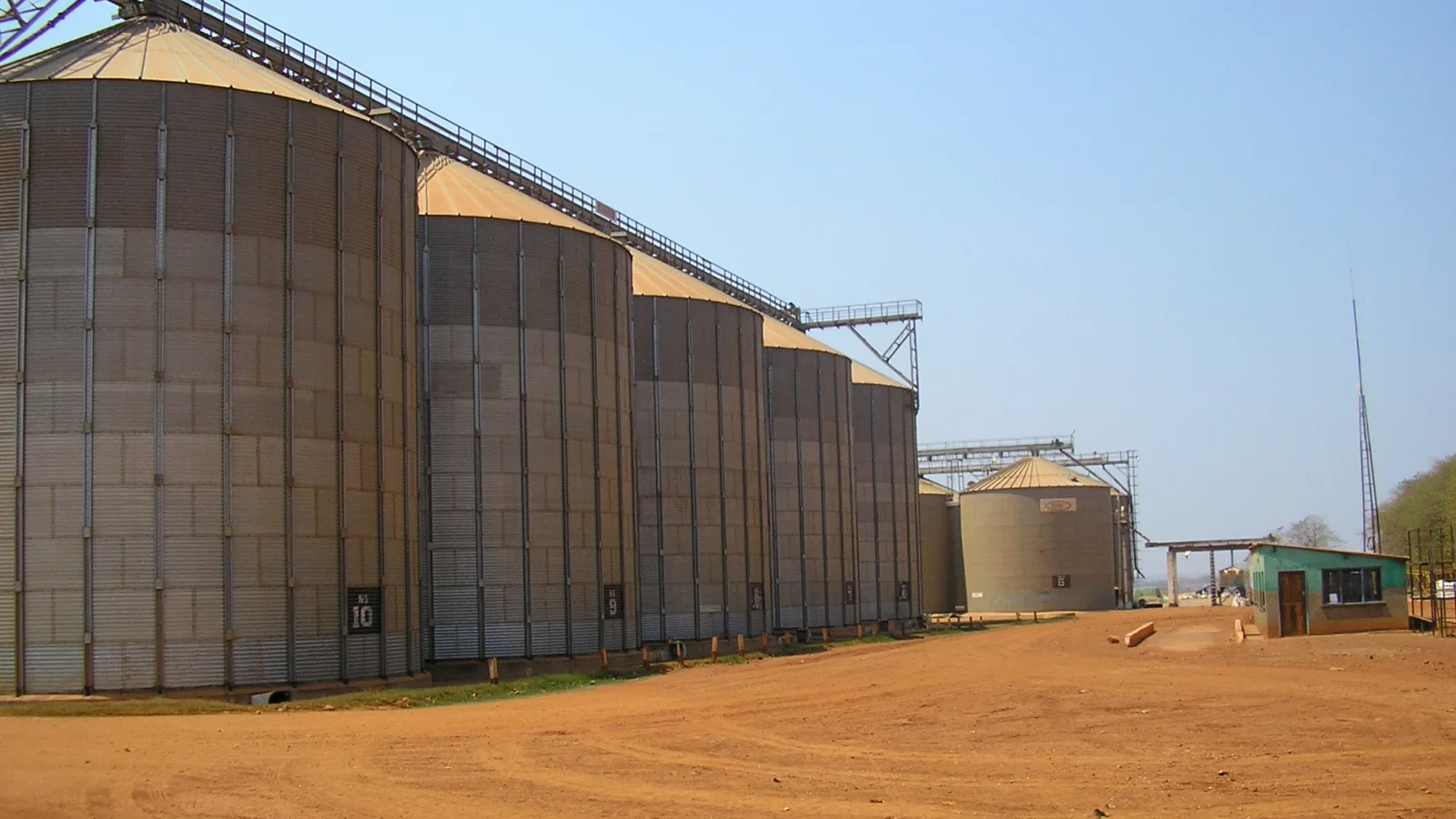
The economic journey of maize does not end at harvest. After it leaves the farm, grain moves into storage, transport and milling before it reaches consumers. A farmer produces it. A transporter moves it. A miller processes it. A trader distributes it. Each of them earns from the same crop.
Wheat and sugar follow a similar path. Wheat supplies milling and bakeries. Sugar links cane growers with processing plants and distributors. What begins as production in a field becomes part of a much wider value chain.
Five million visitors, many suppliers
The formation then moves into tourism, with a target of five million tourists.
Consider a visitor arriving in Livingstone. The trip may involve accommodation, transport, food, park fees and other services. The hotel needs food and supplies. The restaurant buys agricultural produce. The tour operator needs vehicles and fuel. Local businesses sell goods and services to visitors.
One tourist is connected to several businesses at once, and the same relationship extends to destinations across Zambia. Tourism brings the service economy into the formation while creating links with agriculture, transport and other sectors.
Copper beyond the mine
The first 3 is a target of three million tonnes of copper.
Copper may leave the country as an export, but producing it involves many businesses that operate around the mine. Mining requires equipment, engineering, maintenance, transport and catering. A local supplier providing any one of these becomes part of the mining value chain.
There is also the question of foreign exchange. Copper exports bring foreign currency into the country, and Zambia uses foreign currency to pay for the imported machinery, technology and other goods that businesses and households need. The copper target connects production with trade.
Soya and the case for value addition
The second 3 is the target of three million tonnes of soya beans.
Soya offers another route from agriculture into processing. A farmer grows the crop, an aggregator collects it, a processor turns it into animal feed, cooking oil or food products, and a transporter moves it between each stage.
Each stage is an economic transaction. This is the idea behind value addition: economic activity does not have to stop when a raw material is produced. The more processing that takes place around a commodity, the more businesses can earn a living from its value chain. Soya feed also links back to the poultry and livestock farmers who buy it.
The final positions face the market
The remaining targets are one million tonnes of wheat, one million tonnes of sugar and US$1 billion in beef exports.
Beef shows what it takes to reach a foreign buyer. Cattle have to be raised and managed for animal health. Processing facilities have to meet the standards set by importing countries. The meat needs cold storage and transport before it reaches the customer.
A product can be produced in Zambia, but competing in an international market requires more than production capacity. Infrastructure, technology, finance, standards and logistics all shape the final cost and quality. The distance between a producer and an overseas customer is an economic system in itself.
When the formation starts moving
On paper the targets look separate. In practice their paths cross.
Electricity supports farms, mines and factories. Farmers supply processors. Processors make manufactured goods. Mining creates markets for suppliers and service companies. Tourism creates demand for food, transport and accommodation. Livestock can enter export value chains.
A maize farmer in Mkushi needs a route to market. A miller in Kitwe needs grain and electricity. A mining supplier on the Copperbelt needs equipment, workers and customers. A hotel in Livingstone needs food, transport and other services.
These are not separate economies. They are different parts of the same one.
That is why the 10-10-5-3-3-1-1-1 formation can be read as more than a list of production targets. It is a map of activities that connect across the economy.
In football, a formation only shows where players begin. Once the match starts, the midfield links with defence, the attack depends on supply, and players move into spaces created by one another. Economic activity works through similar connections. Sooner or later, every production target meets a road, a power line, a processing plant, a worker, a business, a market or a border.
The formation has been drawn. The movement across the pitch is what will give the numbers their economic meaning.
The views expressed in this article are the author’s own.
Related reading: Musokotwane Pivots Zambia Toward Export-Led Growth as Jobs and Investment Take Centre Stage, Grow Zambia Targets Offer Real Opportunities, Says Haabazoka and Grow Zambia targets are realistic within five years, economist says.
Target by target: Zambia’s Copper Engine: From 890,000 Tonnes to a 3-Million-Tonne Ambition, Zambia’s Copper Target Needs an Economy Built Around It, Zambia’s Maize Export Opportunity Faces Food-Security and Climate Risk, El Nino Warning: Zambia Told to Fix Its Power Gap Before the Drought Bites and Lobito Corridor Talks Open in Lusaka With a US$28 Billion Investment Pipeline on the Table.
WARNING! All rights reserved. This material and all other digital content on this website may not be reproduced, published, broadcast, rewritten, or redistributed, in whole or in part, without the prior express permission of The Zambian Economist. Where permission is granted, the content must be clearly credited to “The Zambian Economist,” with “www.zambianeconomist.com” prominently displayed.
WhatsApp: +260775574228 | Email: info@zambianeconomist.com
© 2026 The Zambian Economist.