
Nearly 80 percent of the province’s Wetlands caseload has drawn inputs through the Food Security Pack Management Information System, with 2,520 redemptions still outstanding across 12 districts.
By The Zambian Economist Analyst
KEY TAKEAWAYS
- 9,890 of 12,410 allocated caseloads in Northern Province have redeemed agricultural inputs under the Wetlands component of the Food Security Pack Programme.
- All 12,410 caseloads are tagged and processed through the Food Security Pack Management Information System, the digital platform tracking disbursement.
- 2,520 caseloads remain unredeemed across the province’s 12 districts.
- The FSP, run by the Department of Community Development, targets vulnerable but viable farming households with input support.
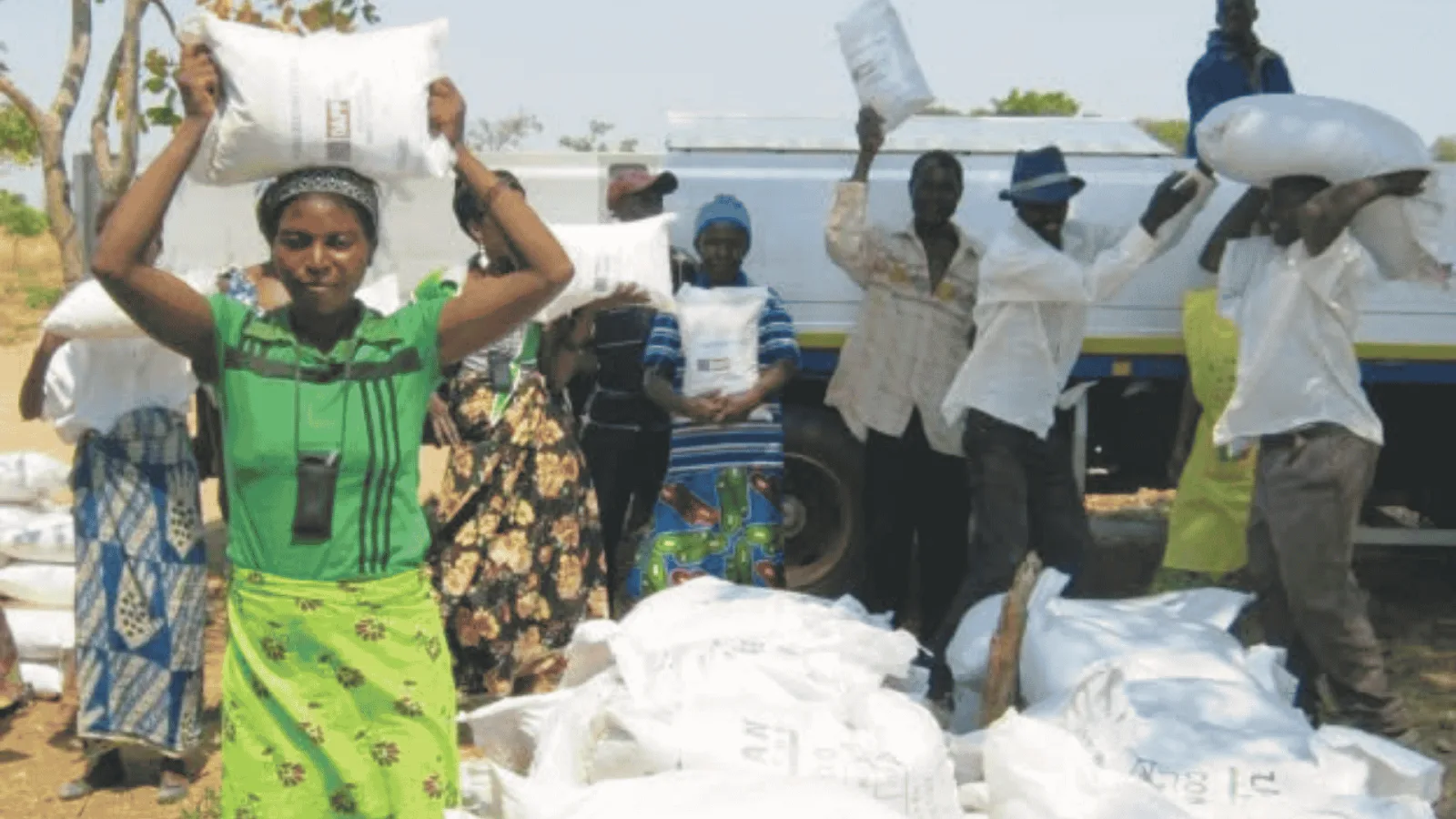
The Department of Community Development has disbursed agricultural inputs to 9,890 beneficiaries in Northern Province under the Wetlands component of the Food Security Pack Programme (FSP), according to the Northern Province Public Relations Unit.
All 12,410 caseloads allocated to the province have been tagged and processed through the Food Security Pack Management Information System, the unit said. That leaves 2,520 caseloads, about 20 percent of the total, still to be redeemed by beneficiaries spread across the province’s 12 districts.
What the Food Security Pack covers
The FSP is a government social protection programme administered by the Department of Community Development under the Ministry of Community Development and Social Services. It provides farming inputs to vulnerable but viable smallholder households, with components covering rain-fed maize production, Wetlands or dambos cultivation, and livestock restocking in some districts.
The Wetlands component targets households cultivating dambo and stream-margin areas, where water availability extends the growing season beyond the rains. Recipients typically receive seed and fertiliser packs sized for a defined plot, with the redemption recorded digitally rather than through paper vouchers.
Why digital redemption matters
Running redemptions through the Food Security Pack Management Information System gives the department a real-time record of who has collected inputs, district by district. That matters for a programme with a history of targeting complaints. Auditor General reports on social cash transfer and input support schemes have repeatedly flagged weak beneficiary registers and unverifiable distributions as sources of leakage.
A tagged caseload with a digital redemption trail is easier to audit than a warehouse chit. The 80 percent redemption rate now recorded in Northern Province is also a management signal: it shows which districts have collection backlogs that need follow-up before the planting window closes.
What remains to be done
The outstanding 2,520 caseloads represent households that are registered but have not yet collected. Late redemption risks inputs arriving after the optimal planting period for Wetlands cultivation, which reduces the yield return on the same spending. The provincial office has not yet published a district-by-district breakdown of the outstanding caseloads, and that detail will determine whether the shortfall is concentrated in a few districts or spread evenly.
Business and policy implications
For agro-dealers contracted to supply the programme, the redemption data indicates how much stock remains to move through Northern Province this cycle. For policymakers, the Northern Province figures offer an early read on how the FSP’s digital delivery model is performing, at a time when government is under pressure to show that input subsidies reach their intended recipients rather than disappearing in transit.
WARNING! All rights reserved. This material and all other digital content on this website may not be reproduced, published, broadcast, rewritten, or redistributed, in whole or in part, without the prior express permission of The Zambian Economist. Where permission is granted, the content must be clearly credited to “The Zambian Economist,” with “www.zambianeconomist.com” prominently displayed.
WhatsApp: +260775574228 | Email: info@zambianeconomist.com © 2026 The Zambian Economist.
Work With The Zambian Economist: Advertise With Us | List With Us | Submit an Article
Related: Outgoing UN Resident Coordinator Beatrice Mutali bids farewell as Nalumango urges stronger partnership.