DEC says a joint operation in Kazungula and Livingstone led to four apprehensions and the seizure of 100 boxes of Benylin with Codeine. The case remains under investigation.
Key takeaways
- DEC says officers in Kazungula and Livingstone apprehended four people in connection with the alleged unlawful importation of 100 boxes of Benylin with Codeine.
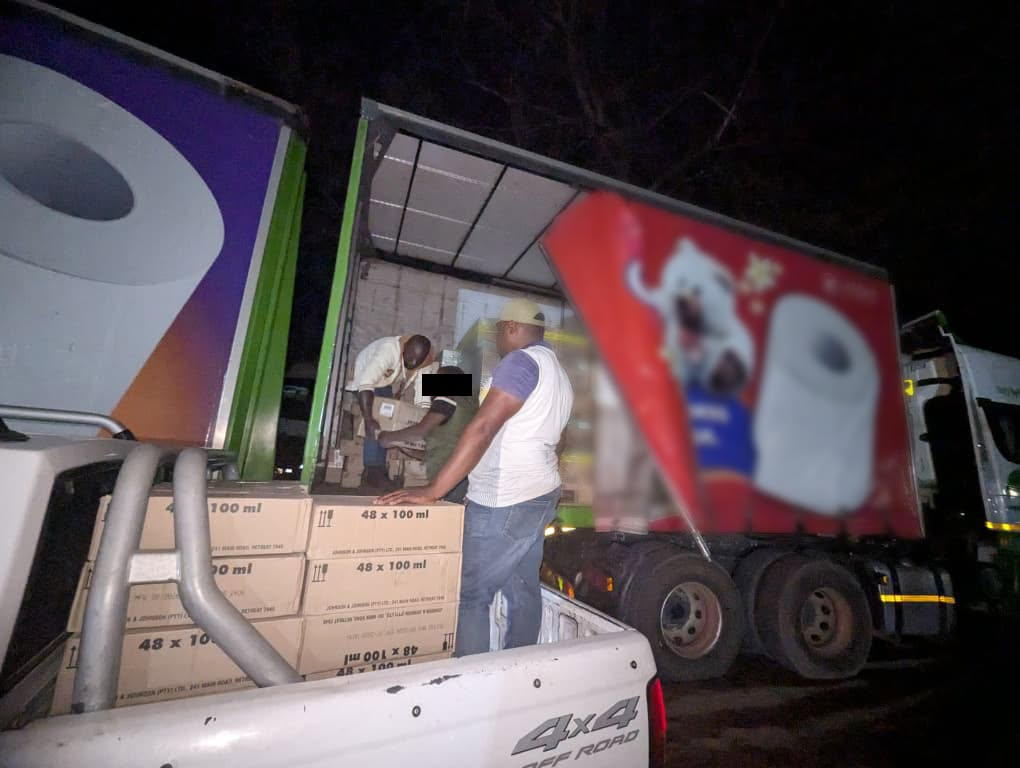
- The Commission alleges that 15 of the boxes were transferred from a truck into a Honda Fit.
- DEC says it seized the medicines and both vehicles, and detained the suspects for further investigations.
- The allegations have not been determined by a court. The statement gives no court date or prosecution outcome.
The Drug Enforcement Commission says it has apprehended four people following an operation involving officers in Kazungula and Livingstone over the alleged unlawful importation of 100 boxes of Benylin with Codeine.
In a statement dated Wednesday, 21 October 2026, DEC Public Relations Officer Allan Tamba said the medicines had been concealed inside a truck. The Commission described the operation as a controlled delivery.
What DEC alleges
DEC identified one of those apprehended as Chekani Phiri, 41, of Chibombo District. It said his apprehension was connected to the alleged unlawful importation of the consignment.
The Commission also named Sibeso Mubita, 39, Mwangelwa Keyana, 40, and Aubrey Mubita, 19, all of Livingstone District.
According to DEC, the three were apprehended after allegedly receiving 15 of the 100 boxes from Phiri and transferring them into a Honda Fit. Those 15 boxes form part of the reported 100-box consignment; they are not an additional seizure.
DEC said the truck, the Honda Fit and the medicines had been seized. It said the four suspects were being held in custody to assist with further investigations into what it described as a supply syndicate.
Investigation is continuing
The account is DEC’s version of events. Apprehension and seizure do not establish guilt, and the allegations have not been determined by a court.
The statement does not provide a court date, a charge-sheet reference or responses from the suspects. It also does not give a verified monetary value for the consignment or a confirmed count of individual bottles. A box count should not be converted into a retail value or bottle total without those details.
Why medicine supply chains matter
DEC urged the public to avoid illicit business activities, saying unlawful medicine importation and distribution threaten public health and Zambia’s social and economic development.
The business issue extends to whether a medicine’s source and route to the customer can be checked. The Zambia Medicines Regulatory Authority describes licensed premises as facilities authorised to manufacture, store, distribute, dispense or sell regulated products. Its public registers provide routes to information on medicines and establishments.
For customers, a familiar product name alone does not establish that a particular consignment was imported or supplied lawfully. Equally, this statement concerns an allegation of unlawful importation and supply. It does not establish that the seized products were counterfeit, contaminated or expired.
For legitimate businesses moving or selling medicines, clear supplier records and verifiable authorisations help make transactions traceable. The DEC statement does not allege wrongdoing by every trader, transporter or pharmacy handling the brand.
DEC calls for public cooperation
The Commission thanked members of the public and stakeholders for assisting efforts to detect crime. It encouraged people to remain vigilant and report suspicious activities to DEC.
Members of the public should pass concerns to the authorities rather than confront people or circulate unverified accusations. Further reporting on this case should follow confirmed investigative or court developments.
Read more in Leadership & Governance and Health & Lifestyle. Related reporting: ACC and Irish Rule of Law International discuss financial-crime capacity.
WARNING! All rights reserved. This material and all other digital content on this website may not be reproduced, published, broadcast, rewritten, or redistributed, in whole or in part, without the prior express permission of The Zambian Economist. Where permission is granted, the content must be clearly credited to “The Zambian Economist,” with “www.zambianeconomist.com” prominently displayed.
WhatsApp: +260775574228 | Email: info@zambianeconomist.com
© 2026 The Zambian Economist.
Work With The Zambian Economist
Advertise With Us | List With Us | Submit an Article
Subscribe to our weekly briefing | Events | About Us | Contact Us