
Central government external debt fell by US$800 million in the first half of 2026. Zambia has earmarked US$275 million in future debt-service savings for the grid, while a proposed IMF facility awaits Board approval.
By The Zambian Economist Analyst
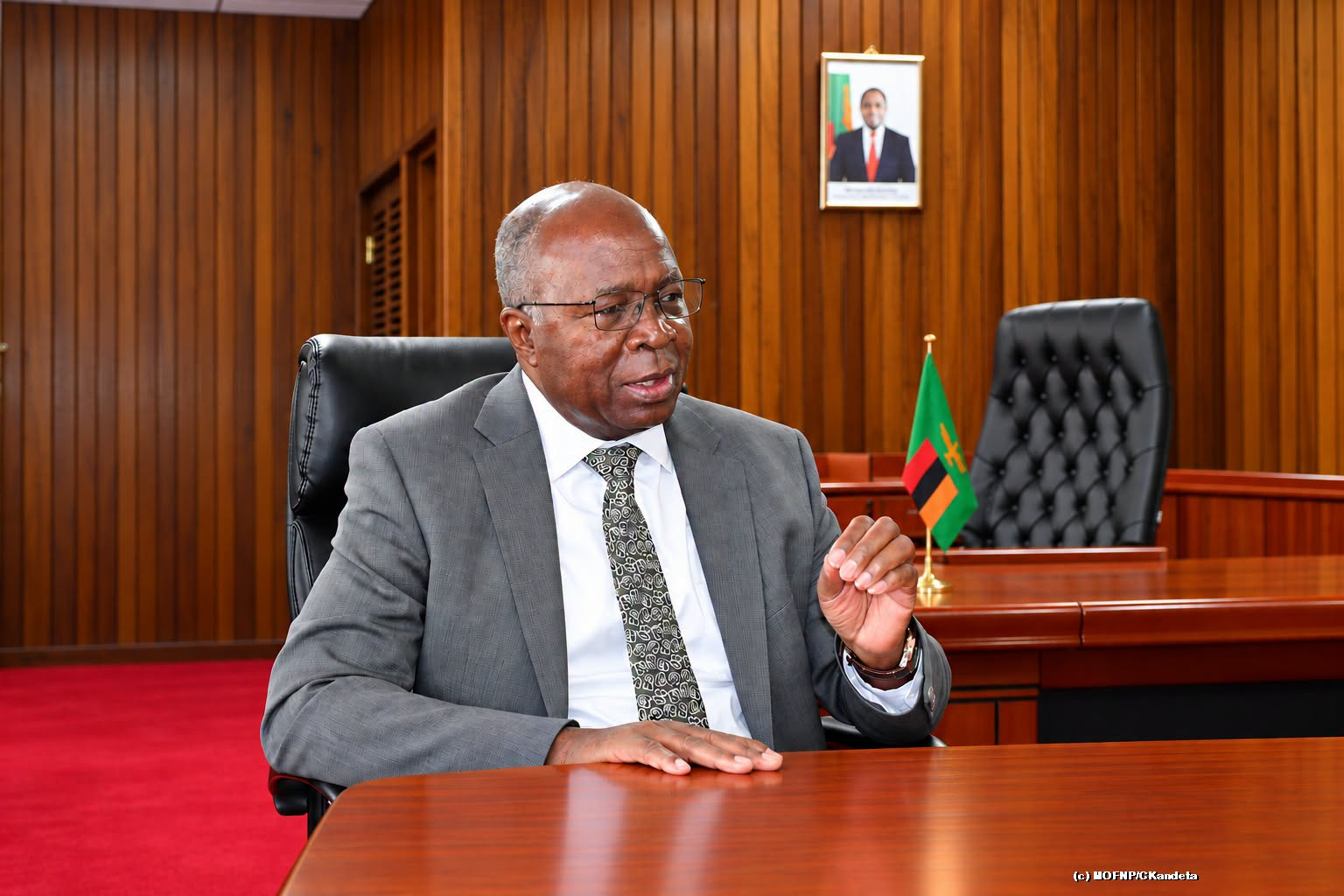
Zambia’s central government owed US$15.35 billion in external debt at the end of June, down from US$16.15 billion at the end of 2025. Finance and National Planning Minister Situmbeko Musokotwane attributed the roughly US$800 million decline to the Eurobond buyback and slower disbursement of external loans. Finance Ministry statement
What fell by 5%?
The decline applies to the external portion of central government debt. Domestic obligations were equivalent to US$15.54 billion at the end of June, taking the central government total to US$30.89 billion. Broader public-sector measures can also include liabilities outside central government and use different definitions.
Musokotwane also said the government was introducing a Benchmark Bond Policy. Concentrating domestic issuance in fewer, larger bonds could make it easier for investors to trade them and give lenders clearer reference rates at different maturities. How the Treasury staggers maturities will matter for refinancing risk.
How the Eurobond buyback funds the grid
The bond Zambia retired, known as Bond B, had been due in 2053. Its terms could have raised interest costs and brought principal payments forward if specified conditions were met. Zambia used a US$600 million African Development Bank loan and its own funds to repurchase the bond below face value. The new loan still has to be serviced, while retiring Bond B removes the risk of higher payments under its original terms. African Development Bank transaction announcement
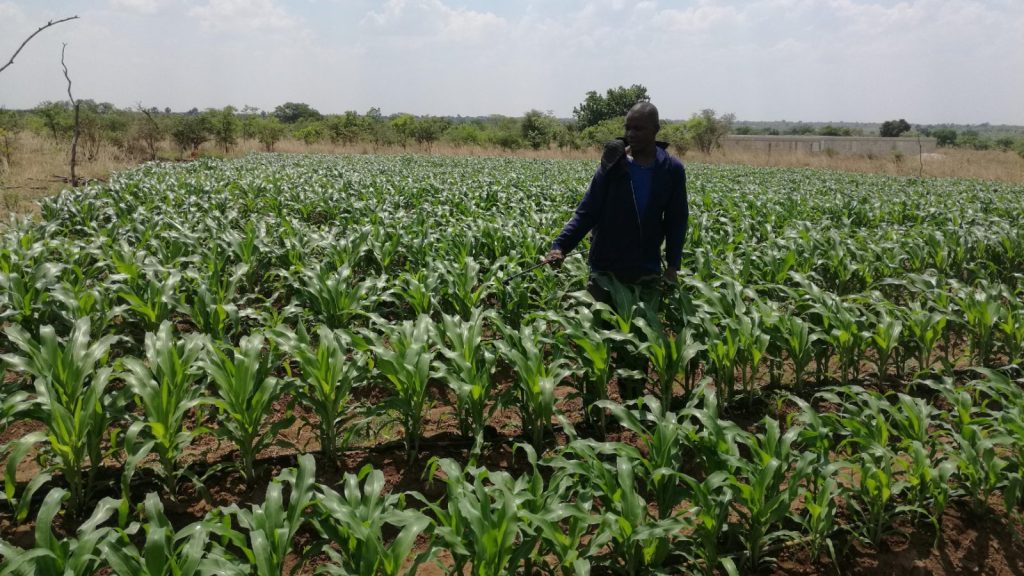
The government has earmarked about US$275 million in future debt-service savings for a 15-year Grid Resilience Programme. For a mill that loses production during outages or an irrigator that depends on electric pumps, the payoff would come through fewer interruptions and lower spending on backup power. Grid upgrades can improve distribution reliability, while the electricity available to customers will also depend on generation and imports. Ministry of Energy programme announcement
Has the IMF approved the new facility?
IMF staff and Zambia reached agreement on 9 October on a proposed 36-month Extended Credit Facility worth SDR 1.076 billion, about US$1.472 billion. The arrangement still depends on agreed prior actions and a decision by the IMF Executive Board. Musokotwane said the government expects Board consideration in December and envisages an equal split between budget financing and balance-of-payments support. IMF staff-level agreement
The IMF said weaker-than-expected revenue and higher-than-budgeted Food Reserve Agency spending had weakened the fiscal position in 2026. Under the proposed programme, the authorities aim to raise the primary surplus, the budget balance before interest payments, to 3% of GDP by 2029. The previous facility completed its final review in January 2026 after disbursing about US$1.7 billion in total. Zambia still carries outstanding IMF credit. IMF final review · IMF outstanding credit data
What businesses can track
The government wants the Grow Zambia Agenda to translate economic stability into investment and jobs. The grid programme offers a way to measure delivery. Project allocations and completion dates would show where savings are being spent, while outage frequency and duration would show whether customers see better service. A more dependable supply would give manufacturers and other electricity-intensive firms a firmer basis for adding shifts or expanding capacity.
Related coverage includes Zambia’s sovereign credit upgrade and our Macroeconomy & Policy section.
WARNING! All rights reserved. This material and all other digital content on this website may not be reproduced, published, broadcast, rewritten, or redistributed, in whole or in part, without the prior express permission of The Zambian Economist. Where permission is granted, the content must be clearly credited to “The Zambian Economist,” with “www.zambianeconomist.com” prominently displayed.
WhatsApp: +260775574228 | Email: info@zambianeconomist.com
© 2026 The Zambian Economist.