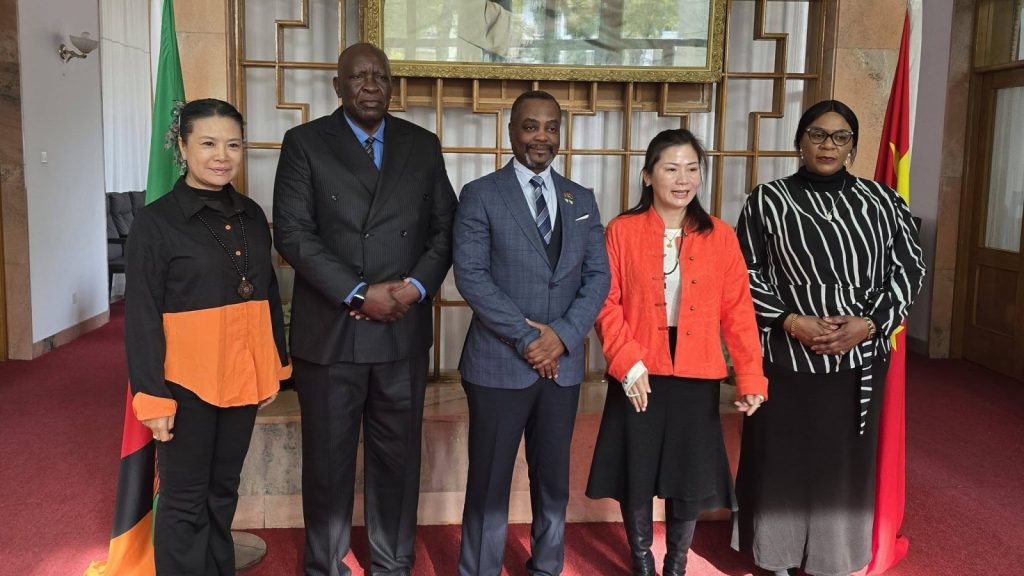

At the Global Child Nutrition Forum in Lusaka, economist and accountant Sonia M. Kagoli argues that what goes on a child’s plate today shapes the productivity, tax base and growth of Zambia tomorrow.
KEY TAKEAWAYS
- Child nutrition is a long-term economic investment in human capital, not only a welfare cost.
- A hungry child in class carries real potential that poor nutrition can hold back for life.
- Better nutrition feeds into productivity, poverty reduction and lower future health spending.
- Zambia needs to rely less on mineral wealth and more on the capabilities of its people.
- Budgets, school feeding, agriculture policy and the private sector should be coordinated around nutrition.
A lesson from the forum floor
Some rooms remind you that development is bigger than individual success. It is about people, communities, human dignity and the future a country is building together.
Standing at the Global Child Nutrition Forum in Lusaka brought one economic truth into focus for me. A nation’s greatest resource is not its minerals, its land or its financial capital. It is its people.
The child behind the statistic
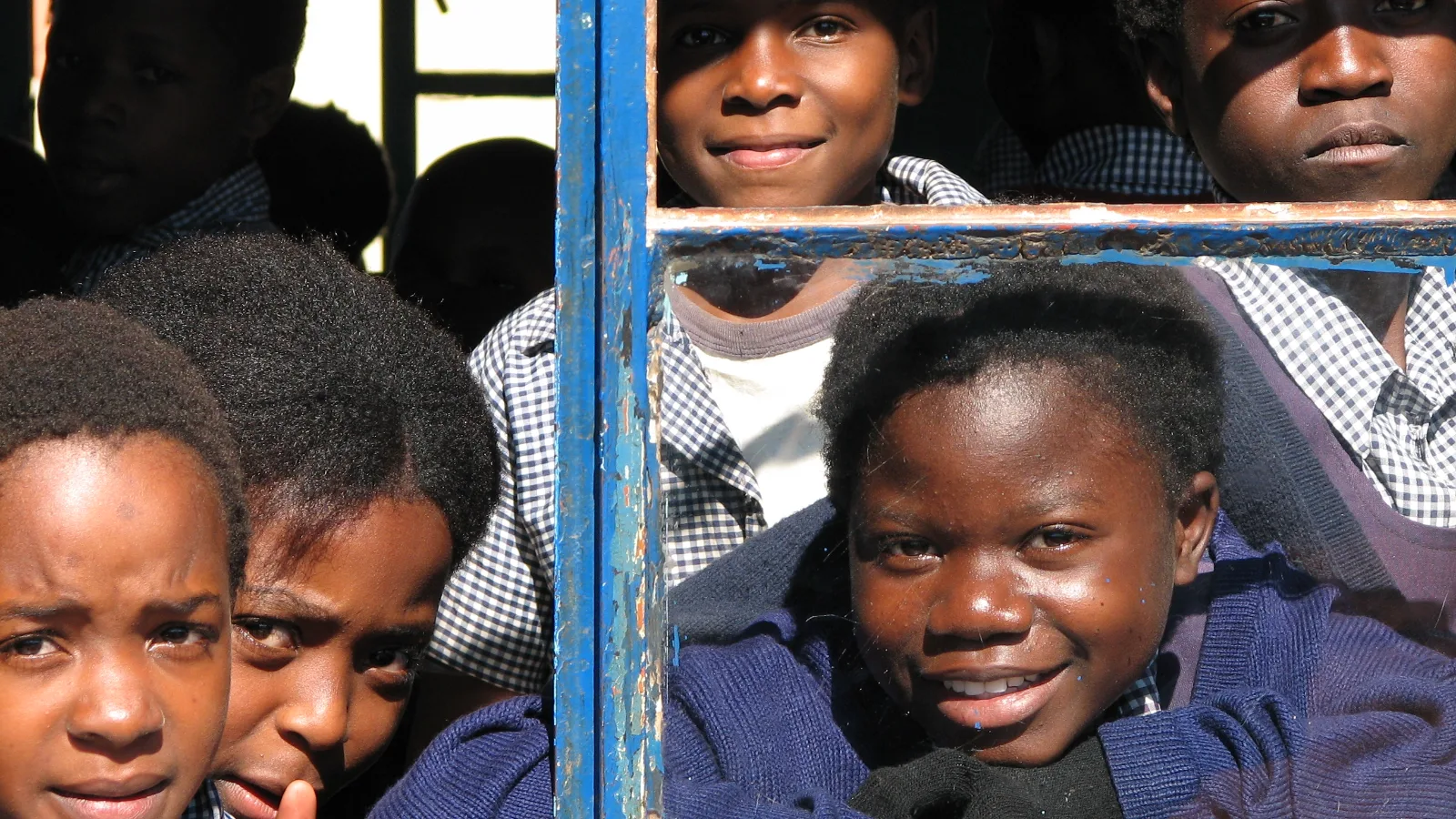
Picture a child who walks into a classroom hungry. That child may have the ability to become an economist, a doctor, a teacher, an entrepreneur or a national leader. Without proper nutrition, much of that potential may never fully develop.
Now picture the same child with adequate food, schooling, healthcare and a supportive home. We are no longer simply feeding a child. We are building human capital, raising future productivity and laying foundations for a stronger economy.
Where nutrition meets economics
My reflection as an economist is simple. We cannot sustainably develop an economy while neglecting the development of the people expected to drive it.
Child nutrition should not be treated only as a social welfare responsibility. It is an investment with long-term returns. When government, development partners, businesses and communities put money into it, the returns show up in five places:
- Human capital. Healthier children are better placed to learn, acquire skills and grow into productive adults.
- Productivity. Good nutrition in childhood supports a healthier and more capable future workforce.
- Poverty reduction. Investing in children helps break the cycle of poverty passed from one generation to the next.
- Public spending efficiency. Preventing nutrition-related problems early can reduce avoidable healthcare costs later.
- Growth. A healthy, educated population raises a country’s productive capacity.
Why this matters for Zambia now
For Zambia, this conversation carries particular weight. We have to move beyond depending on natural resources and invest deliberately in the intellectual, physical and economic potential of our people.
Our children are not just beneficiaries of today’s programmes. They are tomorrow’s workforce, entrepreneurs, innovators, taxpayers and decision-makers.
A strategic investment, not a residual expense
My advice is that we start treating child nutrition as a strategic national investment, not an expense to be accommodated when resources permit.
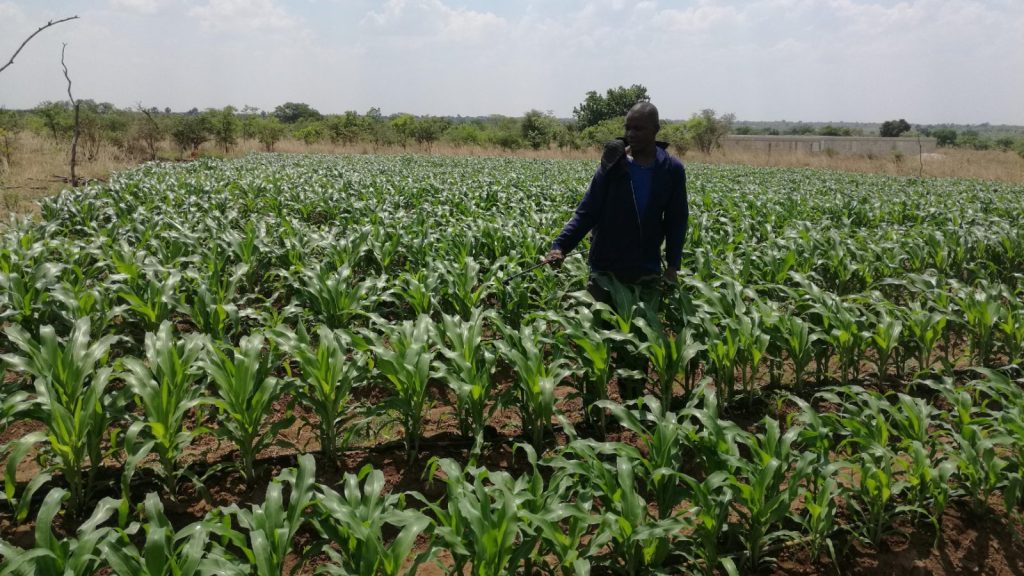
That requires government budgets, private sector partnerships, agricultural policy, school feeding programmes and community initiatives to work together. It also means strengthening local food production and value addition, and widening access to affordable, nutritious food.
Measuring development differently
Economic development cannot be measured only by how much money a country generates or how many roads and buildings it puts up. It must also be measured by how well its people live, learn, grow and contribute.
Some of the most significant economic decisions are not made in financial markets or boardrooms. They begin with what we put on a child’s plate and the opportunities we open for them.
When we nourish a child, we strengthen a family. Strong families build strong communities, and strong communities build nations. The future of Zambia is being nurtured in the children we invest in today.
Related coverage Nalumango calls for sustainable financing as Lusaka hosts the Global Child Nutrition Forum · Growing Zambians, not just Zambia · K806.1 million released for school grants · What should Zambia’s development deliver for ordinary citizens?
WARNING! All rights reserved. This material and all other digital content on this website may not be reproduced, published, broadcast, rewritten, or redistributed, in whole or in part, without the prior express permission of The Zambian Economist. Where permission is granted, the content must be clearly credited to “The Zambian Economist,” with “www.zambianeconomist.com” prominently displayed.
WhatsApp: +260775574228 | Email: info@zambianeconomist.com
© 2026 The Zambian Economist.