By The Zambian Economist Analyst
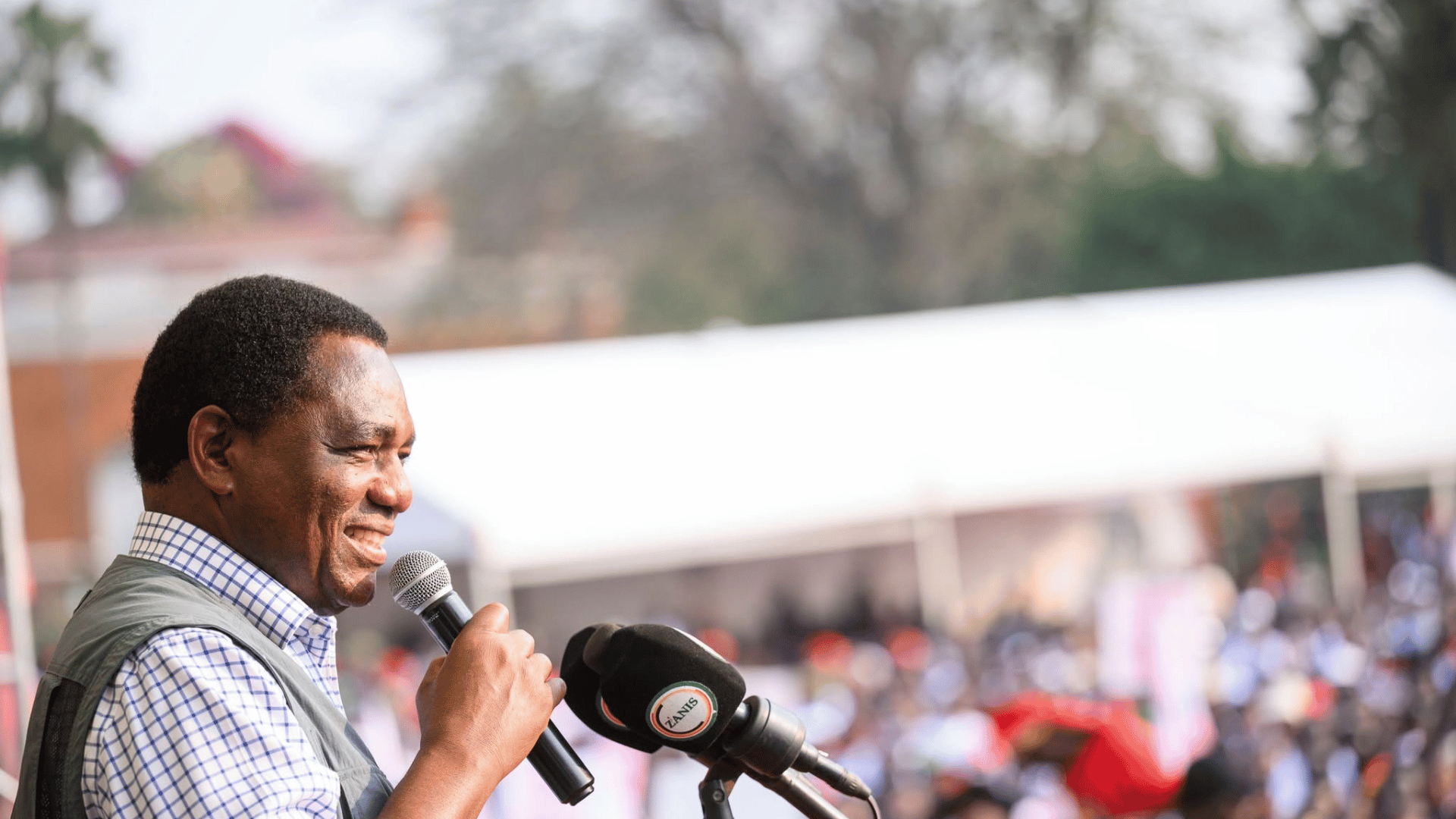
LUSAKA, 10 August 2026: President Hakainde Hichilema has thanked students from public and private higher learning institutions for gathering at State House, pledged to extend educational support to more institutions and asked them to vote for him in Thursday’s General Election.
In a statement published after the engagement, Hichilema described the attendance as running into thousands. The Zambian Economist has not independently verified the number, although images released from the event show a large crowd in the State House grounds.
What President Hichilema told the students
The President thanked the students for visiting State House and said the institution would remain open to citizens. “This State House is your State House,” he said, presenting the gathering as part of his administration’s engagement with the public.
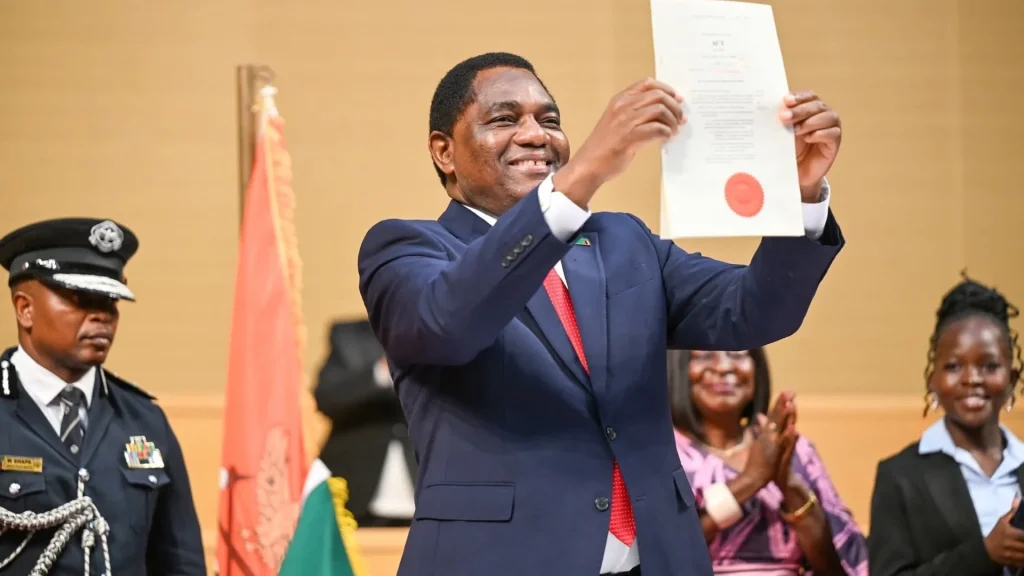
Hichilema described education as “the best equaliser” and linked that position to the Government’s free education policy. In June, he signed the Education (Amendment) Bill into law, placing the free-schooling policy on a statutory footing.
He said the Government intended to extend education support to more institutions, including private providers. The statement did not identify the institutions, the form of support, eligibility conditions, funding levels or implementation dates. Those details will determine whether the pledge changes costs or access for students.
The President also cited the restoration of student meal allowances and other amenities as evidence of investment in education. He argued that heavier spending on education would support Zambia’s development, but the statement did not provide current expenditure or beneficiary figures.
An explicit appeal for votes
The engagement also carried a direct campaign message. Hichilema asked students and other citizens to vote for him on Thursday, 13 August, saying continued support was needed to preserve his administration’s education measures.
The appeal confirms that official education messaging and electoral mobilisation were combined at the State House event. That makes disclosure important. The Presidency should publish the programme, participating institutions, organisers and any costs met from public resources so voters can distinguish official engagement from campaign activity.
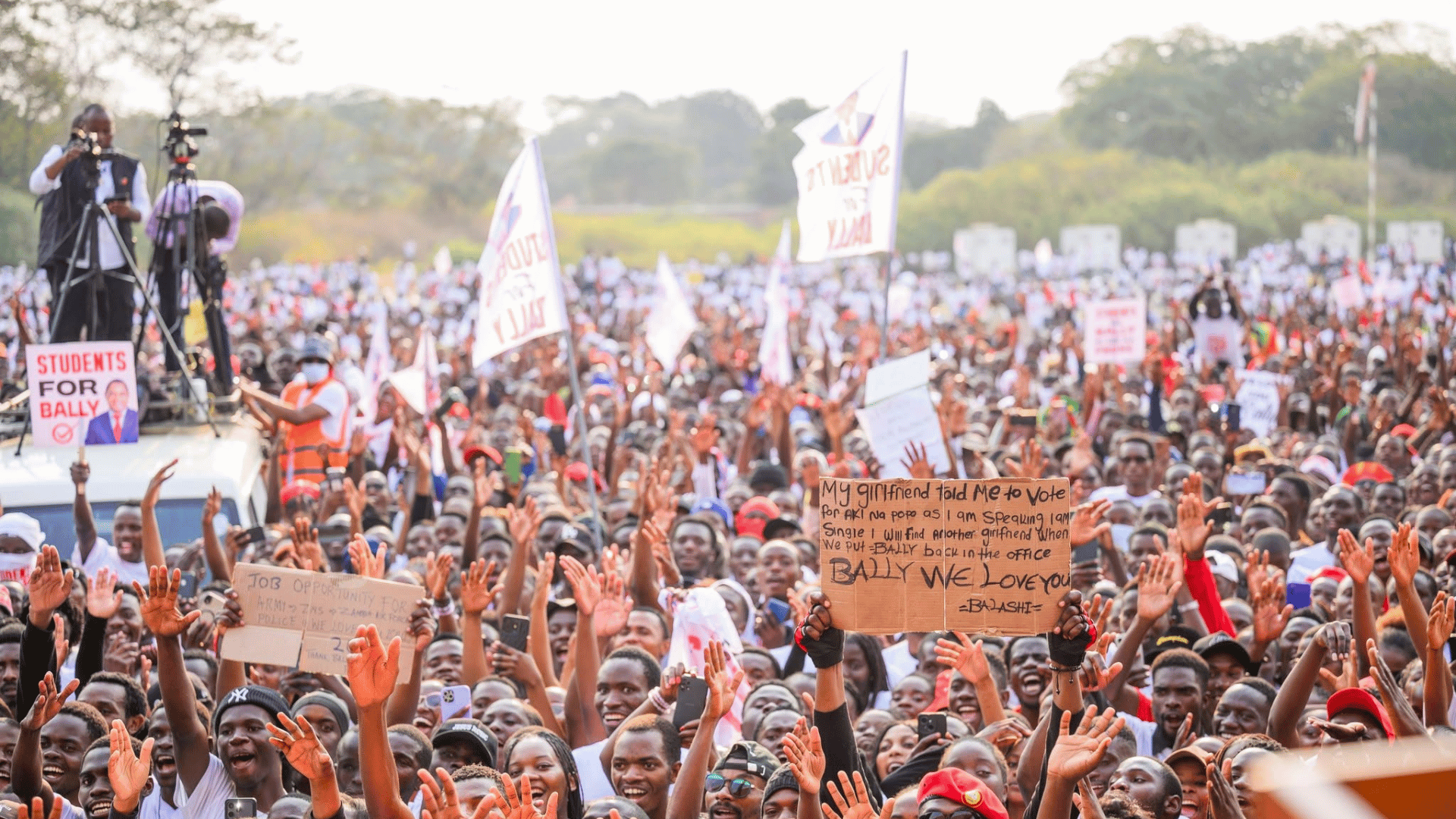
Student engagement has become part of the campaign
This was not the first student meeting involving the President in 2026. On 2 August, Hichilema met students from the University of Zambia’s Great East Road and Ridgeway campuses at State House. Our earlier report covered his statements on sanitation, accommodation, meal allowances and university staff, as well as his appeal for electoral support. Read: HH highlights education investments and addresses UNZA students.
In February, State House reported a meeting with Copperbelt tertiary students at which student union representatives endorsed Hichilema’s candidature. Repeated engagements show that tertiary students are an organised electoral constituency, not only beneficiaries of education policy.
The policy questions behind the promises
- Which public and private institutions would qualify for the promised extension of educational support?
- How much would the programme cost, and which budget line would fund it?
- How many students currently receive meal allowances, and what is the payment schedule?
- What measurable progress has been made on sanitation, accommodation, internships and graduate employment?
These questions matter because support for private institutions can take several forms, including bursaries, student loans, infrastructure partnerships or direct grants. Each option carries different costs and accountability requirements. A campaign statement is a starting point; students need a costed policy they can compare with competing proposals.
Why higher education matters to Zambia’s economy
Universities and colleges supply Zambia’s teachers, nurses, engineers, accountants and technicians. Public investment is most useful when courses lead to recognised qualifications, practical skills and credible routes into work. Funding also needs safeguards so that expansion does not reward poorly regulated programmes or leave graduates with qualifications employers do not trust.
The next administration will therefore be judged on delivery after the election: timely allowances, functioning sanitation, adequate accommodation, transparent bursaries and stronger links between study programmes and employment. Monday’s crowd demonstrated political interest. The harder test will be whether the promises can be measured in institutional budgets and student outcomes.
Key takeaways
- President Hichilema thanked students from public and private institutions for attending the State House gathering.
- He pledged wider educational support, including for private institutions, but supplied no cost, eligibility rules or timetable.
- He cited free education and restored meal allowances as achievements of his administration.
- The President explicitly asked students and other citizens to vote for him on 13 August.
Editor’s note: This article has been updated following publication of President Hakainde Hichilema’s statement about the State House engagement. Attendance figures and policy claims are attributed to the President unless supported by a separate public record.
Photo credit: President Hakainde Hichilema.
Related coverage
- HH Highlights Education Investments and Addresses UNZA Students
- The Economics of Zambia’s 2026 Election
- Kawana Urges Parties to Respect Campaign Timetable
Related: Hichilema Hosts Duchess of Edinburgh at Community House, Points to Wider Zambia-UK Cooperation.
WARNING! All rights reserved. This material and all other digital content on this website may not be reproduced, published, broadcast, rewritten, or redistributed, in whole or in part, without the prior express permission of The Zambian Economist. Where permission is granted, the content must be clearly credited to “The Zambian Economist,” with “www.zambianeconomist.com” prominently displayed.
WhatsApp: +260775574228 | Email: info@zambianeconomist.com
© 2026 The Zambian Economist.