Key takeaways
- The death toll from the ferry that capsized on Lake Kariba on 11 August has reached 93, according to Zimbabwe Republic Police, making it Zimbabweu2019s deadliest transport disaster on record.
- The vessel was licensed for 90 passengers but is believed to have been carrying at least 168 people, and some recovered bodies have drifted toward the Zambian side of the lake.
- Lake Kariba is not only a Zimbabwean waterway. Zambiau2019s Kariba North Bank Power Station, with 1,080 MW of installed capacity, draws on the same reservoir and supplies close to a third of the countryu2019s generation fleet.
- Zambia has its own record of fatal Kariba boat accidents, including a 2014 school ferry sinking that killed 26 people, which puts pressure on Zambian regulators to review vessel oversight rather than treat this as a Zimbabwean problem alone.
- Tour operators, fishing camps and lodges on the Zambian shoreline face a near-term dip in bookings while search and recovery operations continue, even though the accident occurred on the Zimbabwean side.
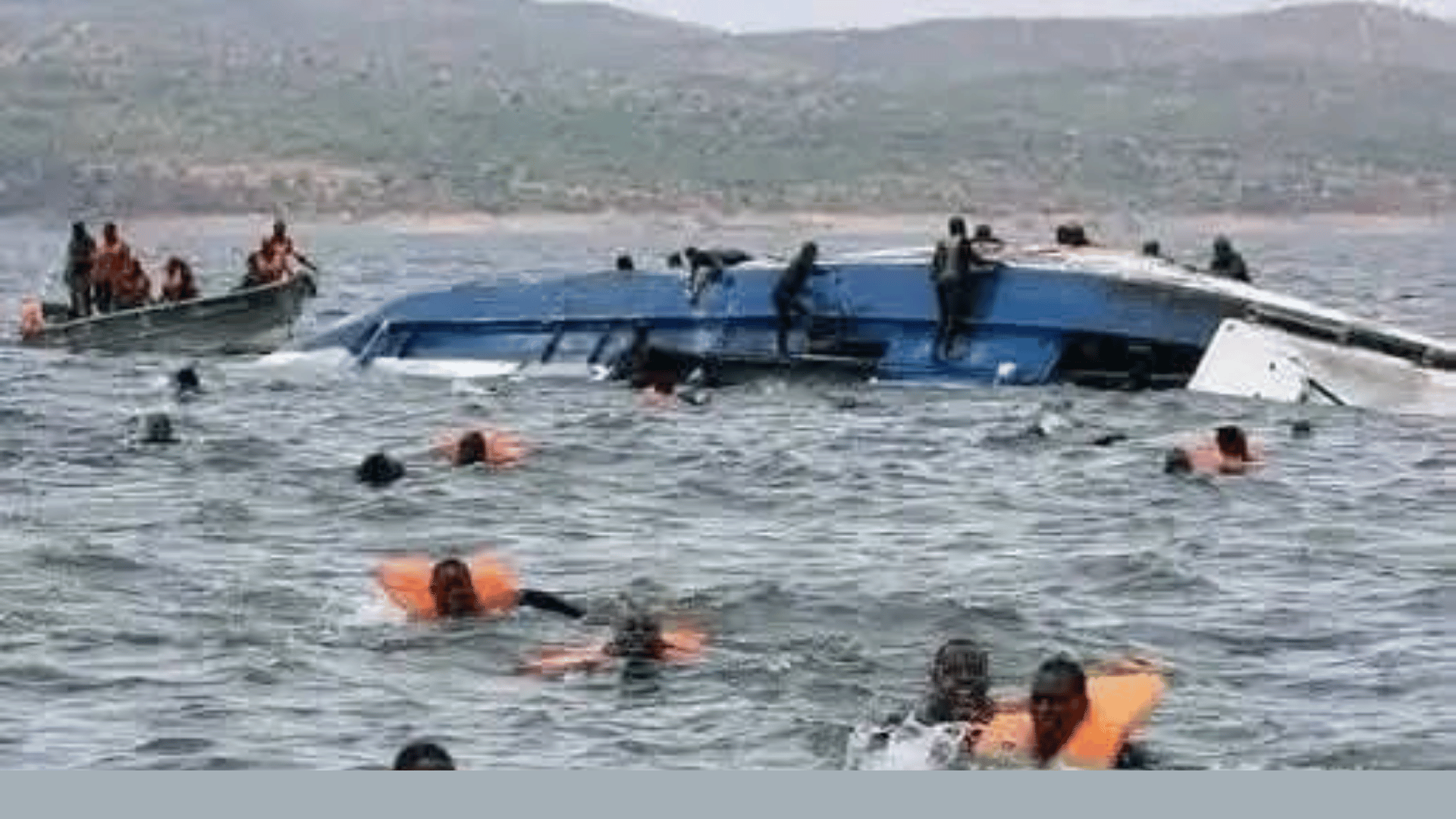
President Emmerson Mnangagwa has declared a state of disaster after a ferry capsize on Lake Kariba became Zimbabweu2019s deadliest transport accident. As of Tuesday, Zimbabwe Republic Police put the confirmed death toll at 93, with 83 victims formally identified. Officials had authorised the vessel to carry 90 passengers. Survivors and crew accounts suggest it left port with at least 168 people on board, and some estimates put the figure closer to 180.
The ferry overturned a week ago after being hit by a strong wave. Divers, the Zimbabwe National Army Boat Squadron and a helicopter donated by the Matusadona Conservation Trust have spent days recovering bodies from locations as far away as Long Island and Kingu2019s Camp. Police say some remains have drifted toward the Zambian border, a detail that turns a Zimbabwean tragedy into a shared search and recovery operation on shared water.
A lake that belongs to two economies
Lake Kariba is often described in passing as sitting on the border between Zambia and Zimbabwe. For Zambiau2019s economy, it is more than a boundary line. The Kariba Dam wall backs up water that feeds two separate power stations: Zimbabweu2019s Kariba South Bank plant and Zambiau2019s Kariba North Bank Power Station, ZESCOu2019s largest single hydro asset at 1,080 MW of installed capacity. Against Zambiau2019s total installed generation of roughly 3,450 MW, Kariba North Bank alone accounts for close to a third of the countryu2019s power fleet, and its output is already constrained in dry years by water sharing limits set by the Zambezi River Authority, the body both countries use to allocate the reservoiru2019s water. That dependence is one reason Zambiau2019s power deficit already carries a real cost to business in dry years.
None of that changes because of a ferry accident on the Zimbabwean shoreline. But it explains why a disaster on Lake Kariba is never purely a Zimbabwean news story for a Zambian audience. ZESCO, the Zambezi River Authority and Zambiau2019s own lakeside communities all depend on the same body of water, the same dam infrastructure, and increasingly the same tourism circuit.
Zambia has been here before
Zambiau2019s own Kariba safety record is not spotless. In 2014, a boat carrying schoolchildren to independence day celebrations capsized on the Zambian side of the lake, killing 26 people, most of them children between six and 15. Then vice president Guy Scott visited the site and government spokesman Joseph Katema described the loss as a national one. That accident, like the current Zimbabwean disaster, involved a vessel operating over its stated capacity.
The parallel matters for policy, not just for sentiment. Zambiau2019s lake transport on Kariba, much of it serving fishing camps, resettlement areas and tourism lodges with no road access, relies on the same mix of ageing vessels and informal capacity enforcement that investigators are now scrutinising in Zimbabwe. The Zimbabwean government has ordered its maritime safety agencies to review vessel licensing and enforcement. Zambian regulators have an interest in doing the same before the next storm on the lake, rather than after it.
Business and tourism implications
For operators on the Zambian shoreline, principally around Siavonga and Sinazongwe, the immediate effect is reputational rather than direct. Lodges, houseboats and fishing charters on the Zambian side were not involved in the accident, but Lake Kariba is marketed internationally as a single destination straddling both countries. A wave of coverage describing Africau2019s deadliest ferry disaster tends to dampen near term bookings across the whole lake, not just on the Zimbabwean bank.
There is also a freight and passenger angle. Ferries and pontoons on Kariba carry goods and people between communities that have no other realistic transport link. Any tightening of licensing or capacity rules that follows this disaster, on either side of the border, will raise operating costs for small operators who currently run informal or under-capitalised services. That is a genuine trade-off for authorities to manage: safer vessels cost more to run, and the communities that rely on them are often the ones least able to absorb higher fares.
What to watch next
Zimbabweu2019s inquiry into the RIDA ferry disaster, and any resulting changes to vessel licensing on Lake Kariba, is worth tracking on the Zambian side of the border as closely as on the Zimbabwean one. So is any statement from the Zambezi River Authority or ZESCO on whether the search and recovery operation has affected water intake or dam operations, though there is no indication so far that it has. For now, the clearest business takeaway is that Zambiau2019s stake in Lake Kariba runs well beyond sympathy for a neighbour: a third of the countryu2019s power fleet and a slice of its tourism revenue sit on the same stretch of water.
Business, investor and policy implications
- For ZESCO and power planners: No disruption to Kariba North Bank generation has been reported. The disaster is a reminder that Zambiau2019s power security still rests heavily on a single shared reservoir, reinforcing the case for continued diversification into solar capacity.
- For tourism operators: Expect a short-term softening in Kariba lake bookings on the Zambian side while international coverage of the disaster continues, even without any direct safety issue on Zambian waters.
- For regulators: Zambiau2019s own 2014 Kariba ferry tragedy gives Zambian maritime authorities a direct reason to review vessel licensing and capacity enforcement on the lake now, rather than wait for a domestic incident to force the issue.
- For investors: No direct market impact is expected on Zambian equities or the kwacha. The relevant watch point is any Zambezi River Authority statement on water allocation or dam operations.
WARNING! All rights reserved. This material and all other digital content on this website may not be reproduced, published, broadcast, rewritten, or redistributed, in whole or in part, without the prior express permission of The Zambian Economist. Where permission is granted, the content must be clearly credited to “The Zambian Economist,” with “www.zambianeconomist.com” prominently displayed.
WhatsApp: +260775574228 | Email: info@zambianeconomist.com
© 2026 The Zambian Economist.