
At lunchtime, Longacres Market becomes one of Lusaka’s busiest open-air kitchens. Behind the smoke, grilled fish and sizzling cuts of meat is a compact urban economy built on convenience, customer traffic and the daily spending power of workers.
By The Zambian Economist Analyst
By midday, the smoke rising from the braziers at Longacres Market has become an advertisement of its own.
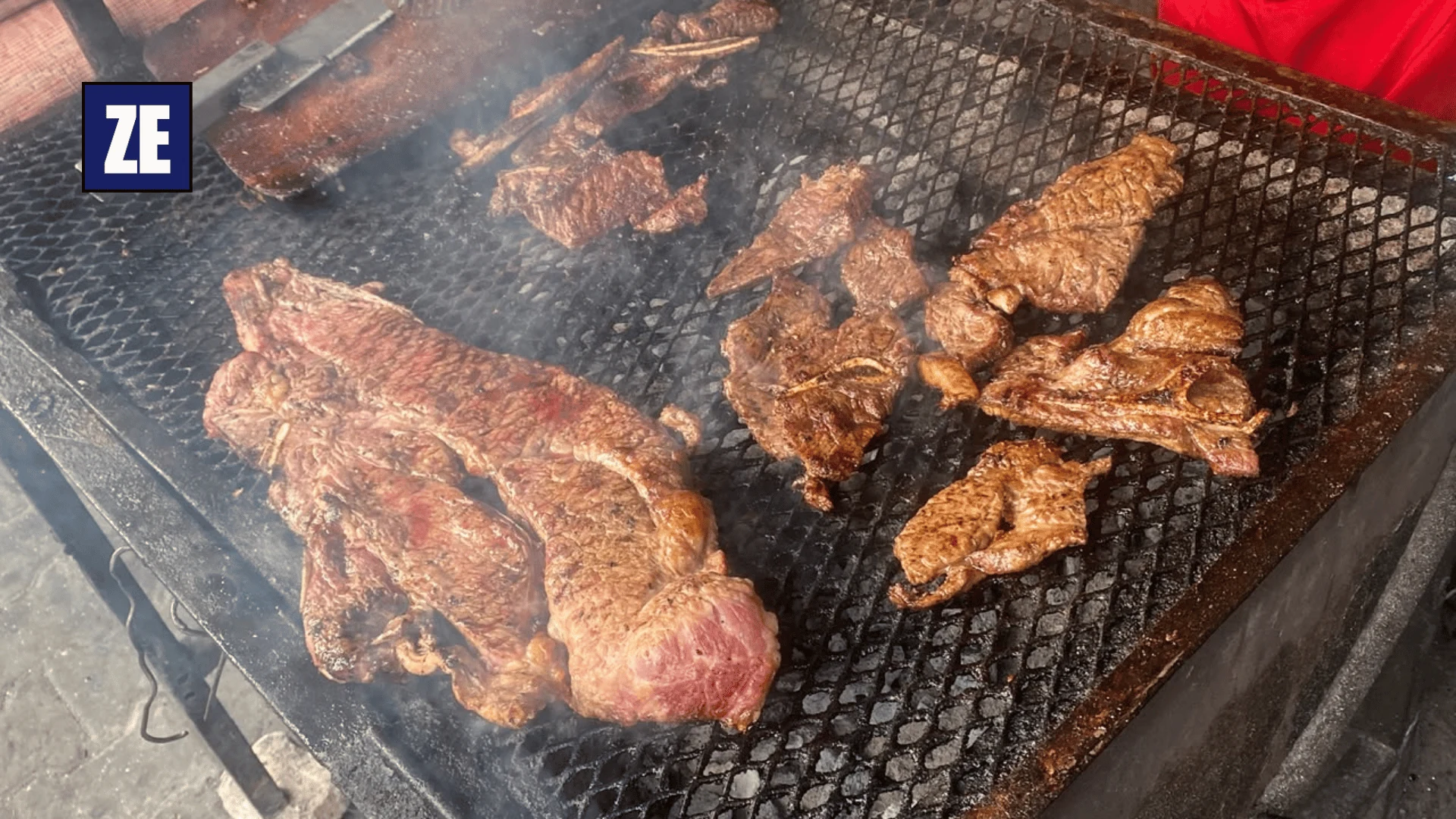
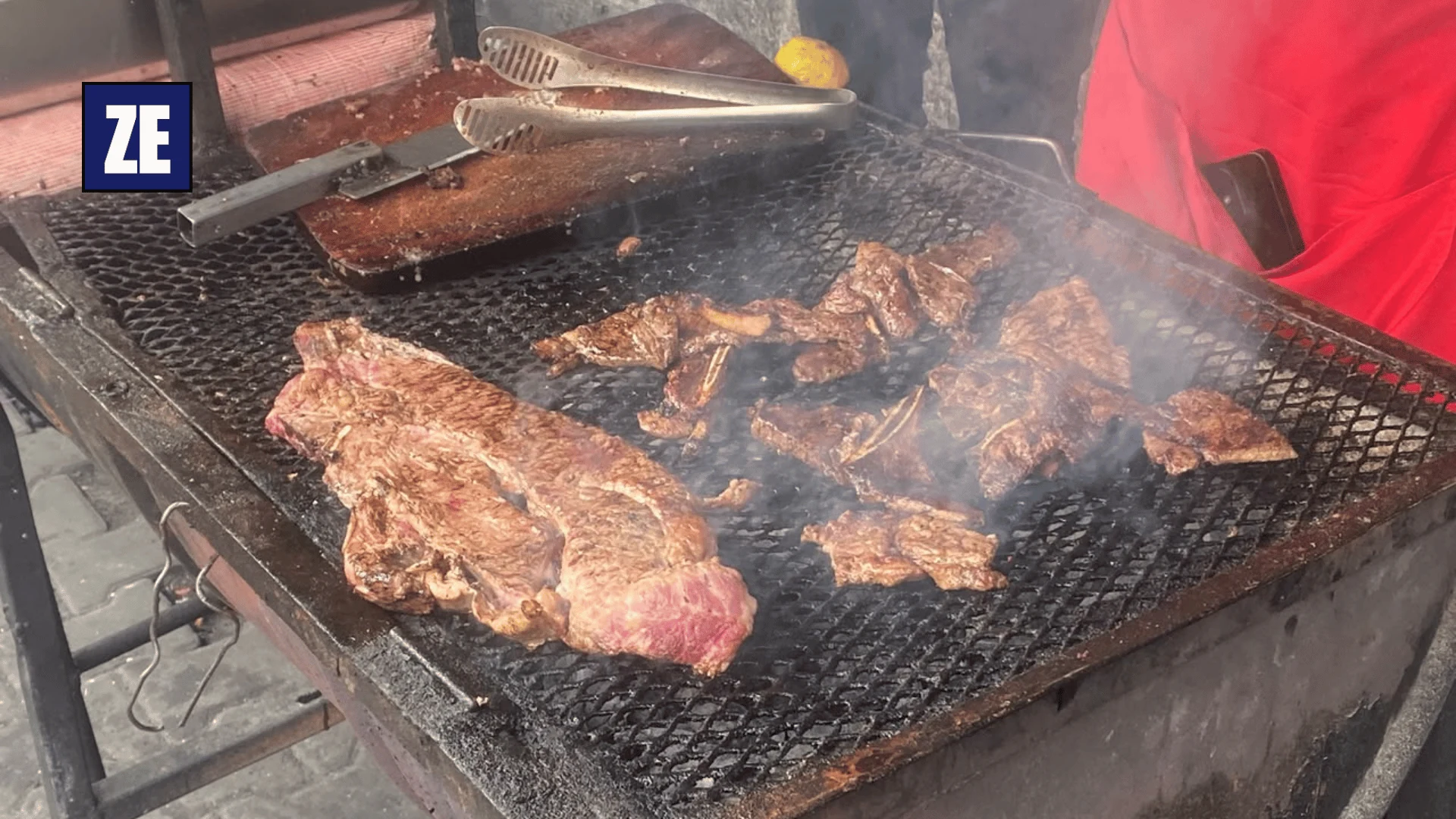
Whole fish, coated in seasoning, cook slowly over charcoal. Nearby, cuts of meat hiss on a wide grill as vendors turn them over the fire. Customers arrive from surrounding offices and businesses, drawn by the smell and the promise of a hot meal prepared within their lunch hour.
During a visit on Tuesday, 11 August 2026, The Zambian Economist Analyst found a market operating at full lunchtime speed. Orders moved quickly, grills remained busy and food preparation happened in full view of customers.
Longacres Market may be known primarily as a place to eat, but its lunchtime trade also offers a close look at how Lusaka’s small-business economy works.
A lunchtime economy powered by convenience
For workers with limited time between meetings, errands and afternoon assignments, convenience matters almost as much as taste.
Longacres Market responds to that demand with a direct model: customers select their food, vendors prepare it and meals are served without the formality or waiting time associated with many conventional restaurants.
This creates a short but commercially important trading period. A vendor’s daily performance can depend heavily on how many customers can be served between noon and the early afternoon.
The economics are straightforward. High customer turnover allows traders to spread the cost of charcoal, ingredients, transport and labour across more meals. Empty grills, by contrast, mean lost sales and food that may not retain the same value later in the day.
Speed is therefore part of the product.
From the grill to a wider supply chain
Every plate sold at Longacres supports economic activity beyond the market.
Fish must be sourced and transported. Meat passes through farmers, processors, butcheries or wholesalers before reaching the grill. Vegetables, mealie meal, cooking oil, spices, charcoal, packaging and beverages come from their own networks of producers and distributors.
There are also workers preparing food, carrying supplies, cleaning cooking areas and serving customers.
A busy lunch service compresses this supply chain into a single plate. The customer sees grilled fish or meat. The economist sees agriculture, transport, energy, retail and labour meeting at the point of sale.
This is one reason urban food markets deserve more attention in discussions about doing business in Zambia. They convert local demand into daily cash flow and create accessible entry points for people building businesses with limited capital.
The attraction is in the experience
Longacres Market offers something that is difficult to reproduce behind a restaurant kitchen door: customers can watch their lunch being cooked.
There is an immediacy to seeing seasoned fish placed over the coals or hearing meat sizzle as smoke rises from the grill. The aromas travel beyond the cooking area, pulling customers towards the stalls before they have inspected a menu.
That visibility also creates a direct relationship between buyer and seller. Customers can ask questions, choose what they want and observe the preparation process.
For vendors, the grill is both production equipment and shopfront.
What the market teaches Lusaka’s food businesses
The lunchtime success of Longacres Market rests on several practical advantages.
Location brings the market close to offices, shops and institutions. Product visibility stimulates demand. A wide selection allows customers with different budgets and preferences to eat in the same place. Fast service makes the market compatible with a working day.
Consistency, however, remains central to repeat business. Customers are more likely to return when portions, preparation times, cleanliness and service standards meet their expectations.
There is also room for operators to improve how they capture demand. Clearly displayed prices could help customers make faster decisions. Mobile-money payment options can reduce friction. Telephone or WhatsApp pre-orders could allow office workers to collect meals without spending much of their lunch break waiting.
These are modest changes, but in a high-turnover food business, a few additional orders each day can make a meaningful difference to monthly revenue. Operators seeking wider visibility can also explore The Zambian Economist’s business listing platform.
Why you should visit Longacres Market at lunchtime
Come hungry and give yourself enough time to walk through the food section before deciding.
The pleasure of Longacres lies partly in the choice and partly in the theatre of the grill. The smoke, heat and movement create an atmosphere that a packaged takeaway cannot provide.
For the curious visitor, lunch also becomes a chance to observe Lusaka’s economy at close range. Traders compete for attention, customers compare value and money moves through several small businesses within minutes.
Longacres Market is busiest at lunch because it understands its customer: someone who wants a filling meal, prepared over fire, without losing the entire afternoon.
That combination is worth experiencing.
Takeaways
- Longacres Market’s lunch trade is driven by location, convenience and rapid customer turnover.
- Food vendors support wider supply chains covering farming, fishing, transport, charcoal, retail and casual employment.
- Visible preparation gives the market an experiential advantage over ordinary takeaway services.
- Pricing displays, mobile payments and pre-orders could help traders serve more office customers.
- A lunchtime visit offers both a satisfying meal and a view of Lusaka’s everyday enterprise in action.
WARNING! All rights reserved. This material and all other digital content on this website may not be reproduced, published, broadcast, rewritten, or redistributed, in whole or in part, without the prior express permission of The Zambian Economist. Where permission is granted, the content must be clearly credited to “The Zambian Economist,” with “www.zambianeconomist.com” prominently displayed.
WhatsApp: +260775574228 | Email: info@zambianeconomist.com
© 2026 The Zambian Economist.
Work With The Zambian Economist
Related: Kamwala Fire Destroys 20 Trading Structures as Police Point to a Brazier