By Zambian Economist Analyst
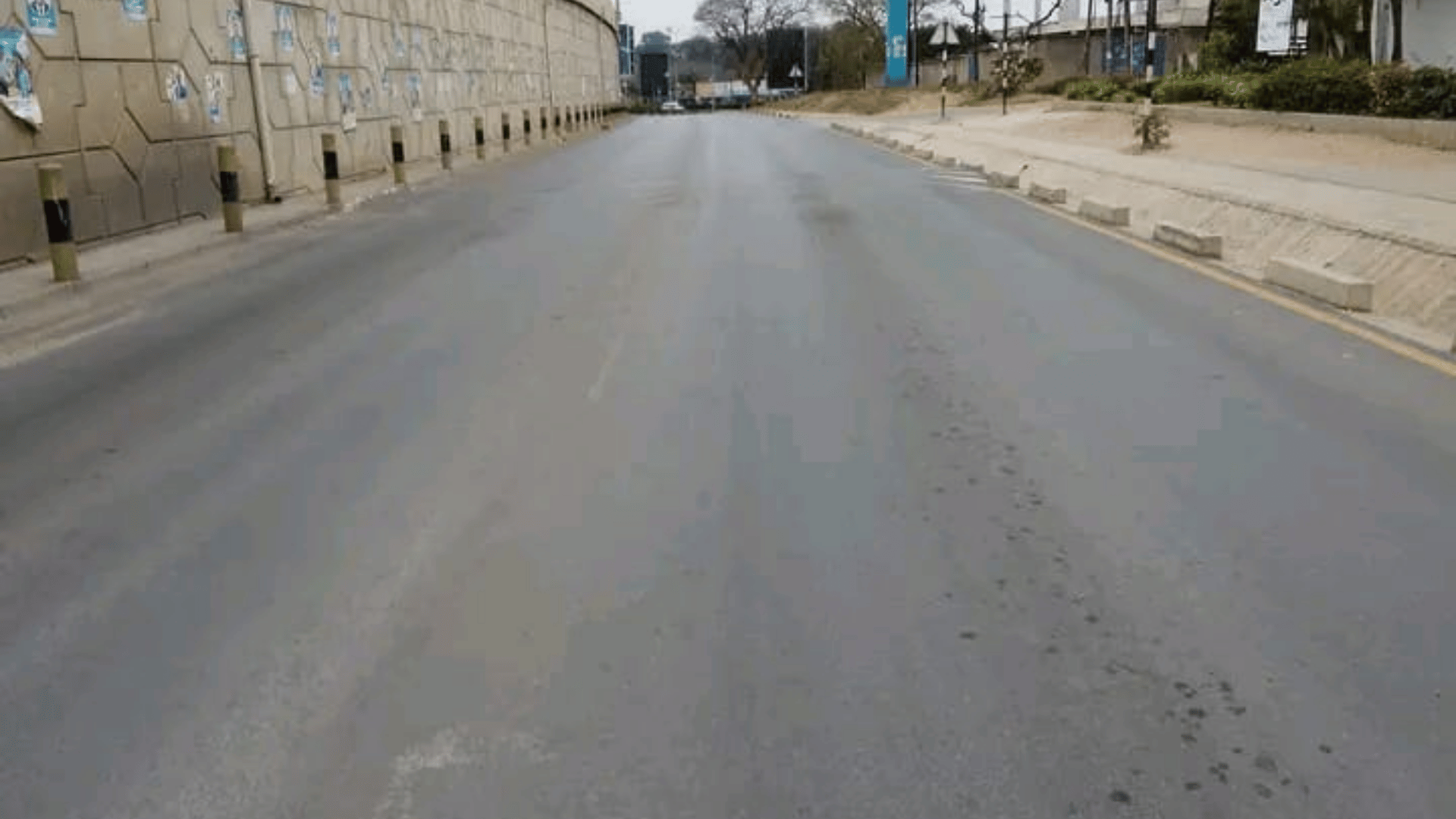
One of Lusaka’s busiest arteries stood empty on Thursday morning as Zambians queued at polling stations across the country instead of commuting to work.
Great East Road, the corridor that carries much of Lusaka’s morning traffic between the central business district and the eastern suburbs, was largely deserted on 13 August 2026 as polls opened for Zambia’s general election. Government declared election day a public holiday, and the usual congestion of minibuses, private cars and pedestrians gave way to open tarmac.
A City Pauses for the Ballot
The quiet is not unusual for a national election day, but it is a visible marker of how completely economic activity in the capital defers to the electoral process. Shops along the route that would normally open by 08:00 stayed shuttered through the morning, and the informal traders who typically line the roadside were largely absent, having joined the queues at polling stations instead.
The Electoral Commission of Zambia opened over 12,000 polling stations nationwide for the 8.7 million registered voters, with results expected within four days through the newly launched National Results Centre at the Mulungushi International Conference Centre.
The Cost of a Day Without Commerce
A single public holiday carries a measurable, if temporary, economic cost. Retailers, transport operators and informal traders lose a day of turnover, banks and government offices close, and formal-sector output is paused nationwide. For an economy the size of Zambia’s, a one-day nationwide shutdown of ordinary business activity is a real but recoverable loss, typically offset within days as businesses reopen and deferred spending resumes.
That short-term cost is set against a larger economic argument: a credible, peaceful vote reduces the political risk premium that has kept investors and lenders cautious through the campaign period. A calm election day, of the kind reflected in the empty streets of Lusaka, is itself a positive signal to markets watching for order and predictability.
What Happens Next
Traffic on Great East Road, and on commercial streets across the country, is expected to return to normal once polling stations close and results are announced. Businesses, transport operators and traders who paused for the vote will resume trading, and attention will shift to counting, verification and the National Results Centre process over the days ahead.
Related reading
- ECZ Launches National Election Results Centre at Mulungushi Ahead of Thursday’s Vote
- Civil Society Deploys Over 600 Election Monitors Nationwide Ahead of Thursday’s Polls
- Zambia’s Post-Election Rally Is Economically Sound
- Ba Lusaka: Great East Road Town-Bound Lane Closes Until 2 October
WARNING! All rights reserved. This material and all other digital content on this website may not be reproduced, published, broadcast, rewritten, or redistributed, in whole or in part, without the prior express permission of The Zambian Economist. Where permission is granted, the content must be clearly credited to “The Zambian Economist,” with “www.zambianeconomist.com” prominently displayed.
WhatsApp: +260775574228 | Email: info@zambianeconomist.com
© 2026 The Zambian Economist.