
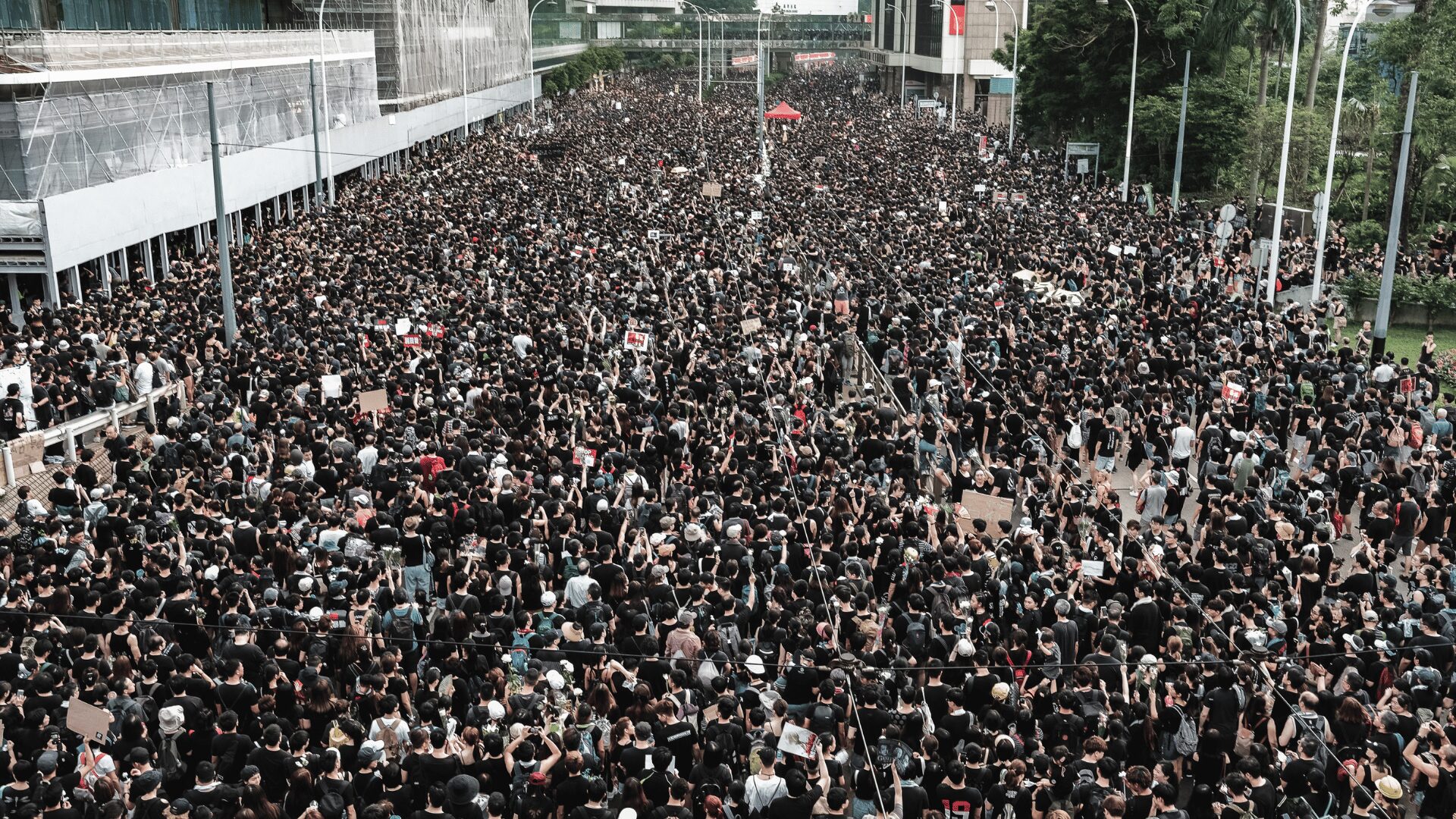
A packed rally makes for a good photograph, but it is a poor predictor of votes. Behind the noise and the branded chitenge sits a simpler economic story about transport allowances, food and a very large informal workforce with time on its hands.
By Zambian Economist Analyst
Every campaign season produces the same ritual. A candidate arrives in a convoy, a crowd gathers, drone footage circulates on social media within the hour, and supporters and critics alike argue over whether the turnout proves anything at all. It rarely does, and the reasons are more economic than political.
The arithmetic of a crowd
Start with the basic arithmetic. The Electoral Commission of Zambia has certified 8,786,300 registered voters for the August 13 election, of whom 4,066,423, or 46.3%, are youth aged 18 to 35. That is the pool that actually decides the outcome. A rally crowd, however large, is not drawn exclusively, or even mostly, from that register. Children too young to vote, non-residents of the constituency, vendors working the perimeter and onlookers who simply live nearby all swell the numbers without adding a single ballot. Nobody checks a voter’s card at the gate of a political rally, because rallies are not where votes are cast. They are where visibility is manufactured.
Who is actually free on a weekday afternoon
That distinction matters more in Zambia than in many countries, because of who tends to be available on a weekday afternoon to attend one. The 2022 Labour Force Survey found that 76.3% of employed Zambians work informally, without fixed hours, formal contracts or a wage that continues whether or not they show up to a job that day. The Living Conditions Monitoring Survey put 60% of the population below the poverty line. For a market trader, a casual labourer or someone between contracts, a few hours at a rally is not necessarily a political statement. It can be a rational use of time, particularly when transport, a meal and sometimes a small allowance are on offer.
Food, transport and the mobilisation floor
That last point is the open secret of Zambian campaign logistics, discussed constantly in private and rarely on the record. Branded T-shirts and chitenge cloth, hired buses, packed lunches or cash for transport are a standard part of mobilising a crowd, and every major party has been accused of it by its opponents at one time or another. None of this is unique to Zambia. Political scientists studying rallies across the region have long noted that food, transport reimbursement and merchandise function as a floor under attendance, guaranteeing a base crowd regardless of the candidate’s actual support. What varies is how much organic enthusiasm sits on top of that floor, and that is precisely what is impossible to measure from a photograph or a drone shot.
What rallies are actually good for
None of this means rallies are meaningless. They still serve real purposes: energising a party’s existing base, testing logistics and messaging, and generating the media coverage and social clips that reach far more people than the crowd itself. For a local economy, a big rally is also a short, sharp injection of demand. Caterers, transporters, sound engineers, T-shirt printers and street vendors all see a day’s income spike around a major event, a small but real multiplier that campaign spending creates whether or not it moves a single vote.
The weaker signal
What rallies do not do is substitute for a voter register, and they are a weak guide to an actual result. Zambia’s own recent history makes the point. Large, energetic rallies have preceded comfortable wins and narrow losses alike, because a crowd counts heads, not intentions, and the people most reliably free to attend one are not a representative sample of the electorate that decides on polling day.
Key takeaways
As the country heads into the final week of campaigning before August 13, the more useful numbers are the ones that rarely make it onto a banner: registered voters by constituency, turnout in previous elections, and the size of the informal workforce that both parties are competing to reach, not just to gather in a field for an afternoon.
Related: Hichilema Condemns Political Violence, Warns of “Full Consequences” for Offenders and Ballot Papers Arrive in Livingstone Ahead of August Polls.
Related: The Viral 57% Poll Is Fake: What Zambia’s Real Economic Numbers Say