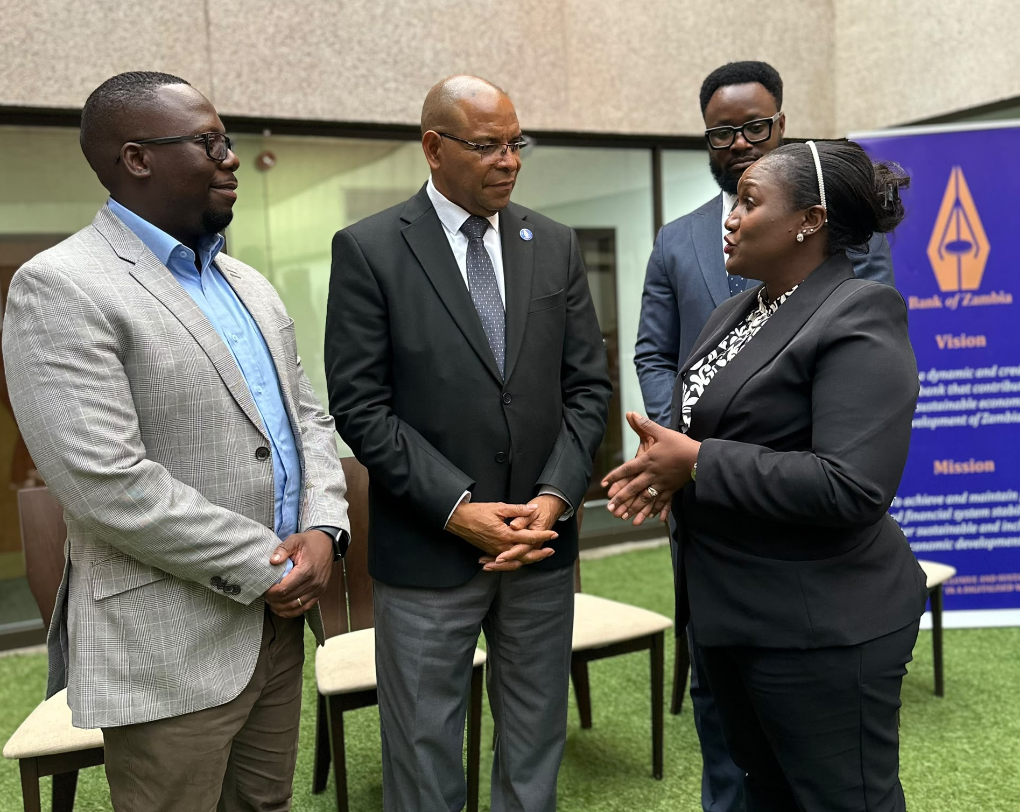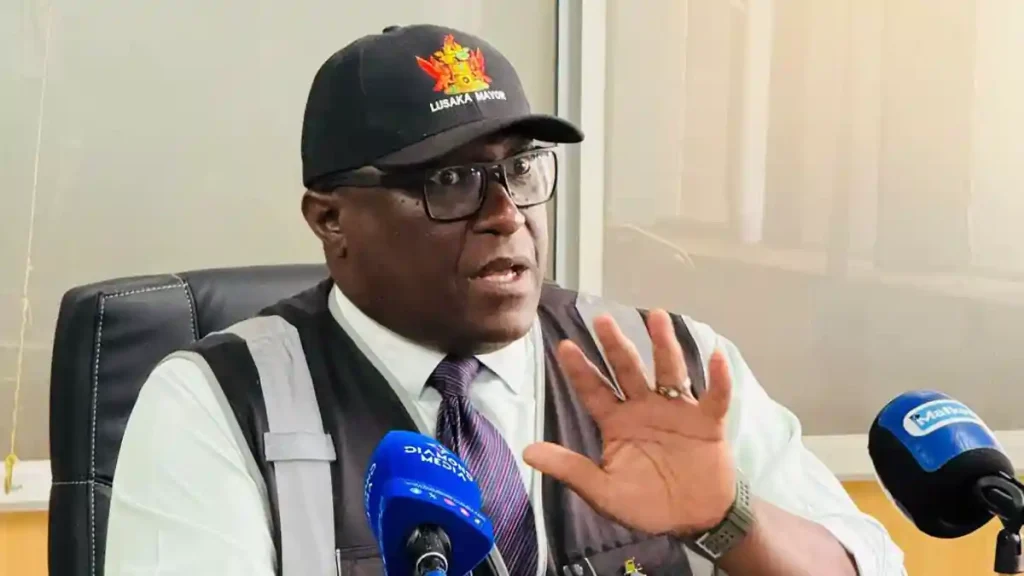
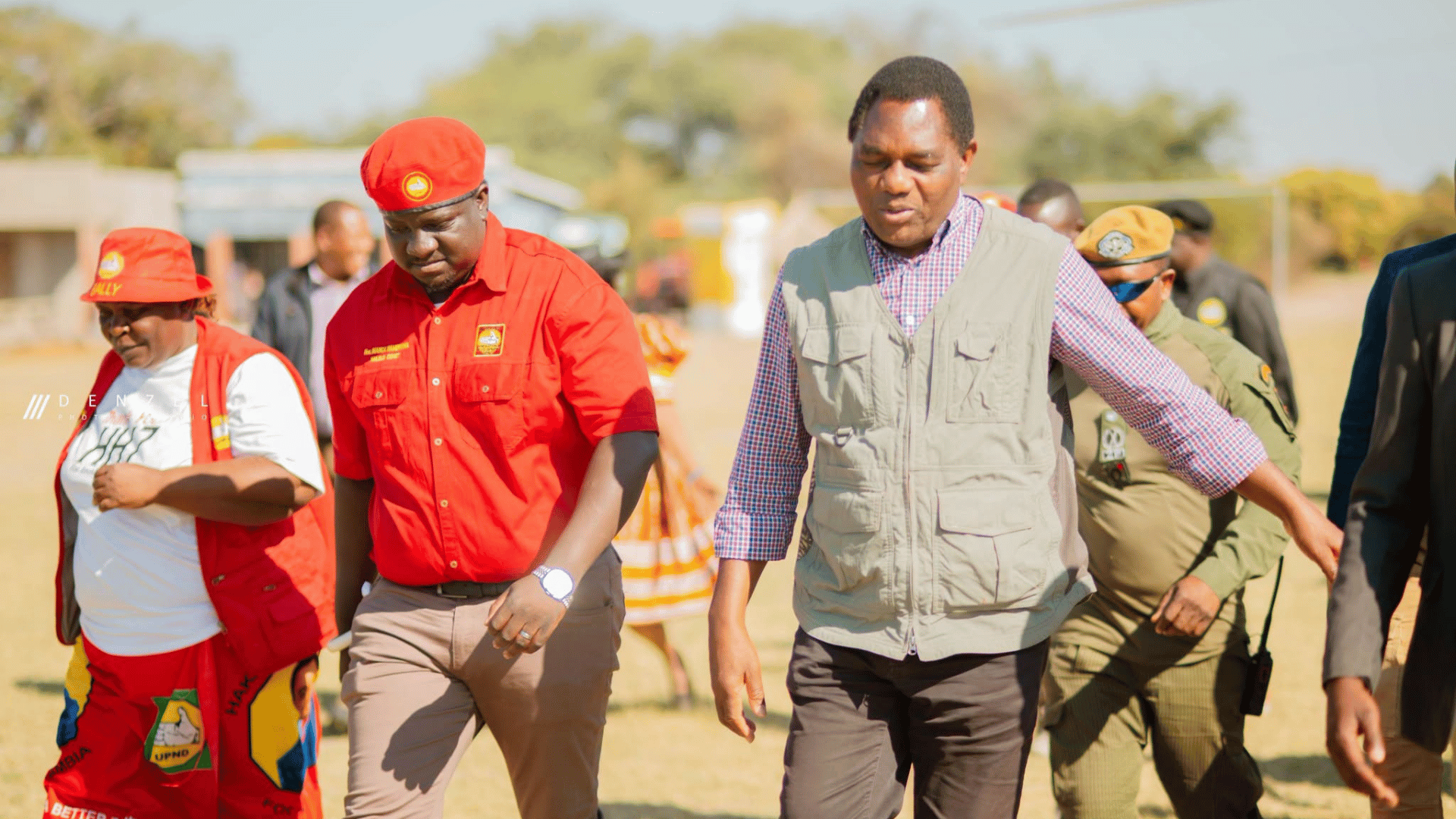
At 29, Imanga Wamunyima Jr became one of the youth MPs in Zambia’s National Assembly, the sole voice of the Party for National Unity and Progress in Parliament, and the face of Nalolo, one of Western Province’s most underserved constituencies. Ahead of the 2026 general elections, his time in the House is a useful test case for what youth representation actually delivers, and what it still has to prove.
Introduction
Zambia’s Parliament has never had many young faces in it. When Imanga Wamunyima Jr won Nalolo Constituency in the 2021 general election at 29, he became one of the National Assembly’s youth MPs and, for a period, the only MP from his party, the Party for National Unity and Progress (PNUP), led by economist Highvie Hamududu. Nalolo, a rural constituency in the Western Province floodplains, is routinely ranked among the country’s most underdeveloped seats, short on secondary schools, health posts and reliable water access.
Five years on, with the 2026 elections approaching, Wamunyima’s record offers a concrete answer to a question that comes up every election cycle: does putting young people in Parliament change what Parliament does for constituencies like Nalolo, or does it change only who sits in the chamber?
A Lawyer in the House
Wamunyima is a lawyer by training, and it shows in his committee assignments. He sits on the Public Accounts Committee, which scrutinises how ministries and public bodies spend money against the Auditor General’s findings, and served as Vice-Chairperson of the Committee on Privileges, Absences and Support Services. By late 2025 he was chairing a Select Committee gathering public submissions on a proposed constitutional amendment, Bill No. 7.
That chairmanship also produced the sharpest criticism of his tenure so far. Commentary published in December 2025 accused him of stepping outside the impartiality expected of a Select Committee chair after he publicly challenged the Law Association of Zambia’s president during committee proceedings and followed up with a social media post on the exchange. The episode is a reminder that youth in a leadership role does not exempt an MP from the same scrutiny any chairperson would face, and Wamunyima’s critics have held him to that standard directly.
What Nalolo Has Received
Away from Lusaka, Wamunyima’s public record centres on the basics his constituency has long lacked. He has pushed for completion of Nalolo District Hospital, additional health posts, ambulances, new secondary schools and boreholes across the constituency, framing healthcare, education, agriculture and market access, and water and sanitation as his four priorities. Constituency Development Fund records show tangible, if modest, delivery against that list: in April 2026, Nalolo Town Council confirmed the handover of a newly built classroom block at Muoyo Secondary School, alongside continuing works on a mother’s shelter in Makoka Ward.
These are small-scale, CDF-funded projects rather than transformative infrastructure, and that scale is itself the point. For a constituency with limited services, incremental delivery on health posts, classrooms and boreholes is the currency most voters will actually judge an MP by, not national headlines.
The Youth Argument, Made From Inside Parliament
Wamunyima has been vocal about what youth political participation should look like, and has been sharply critical of movements that aren’t youth-led in substance. In a widely shared message ahead of the 2026 elections, he argued that a youth movement funded and directed by older political figures stops being a movement and becomes something closer to a project controlled by others, and called on young Zambians to use their numbers rather than be used by them. He paired that with a direct appeal for higher youth turnout and participation in the 2026 polls.
It’s a pointed argument from someone positioned to make it: as the only PNUP MP for most of his term, Wamunyima has had to build a political profile without the machinery of a larger party behind him, which is closer to the position most young aspiring politicians are actually in than the well-resourced youth wings he has criticised.
A Second Term, and What It Would Say About Confidence in Youth
Wamunyima stood again for Nalolo in the 13 August 2026 general election, this time on the UPND ticket after PNUP’s alliance with the ruling party, rather than PNUP. As of this writing, the Electoral Commission of Zambia has not yet formally declared the Nalolo result, so his second term is not yet confirmed. But the fact that Nalolo’s voters had the chance to renew his mandate at all, five years after first trusting a 29-year-old first-time candidate, is itself notable. A constituency choosing to send the same young MP back to Parliament, rather than reverting to an older or more established figure, would be a direct measure of how much confidence the people of Nalolo place in young leadership, not just as an experiment in 2021, but as a considered choice repeated in 2026. Once the ECZ declaration is in, that verdict, one way or the other, deserves its own follow-up piece.
Business, Investor and Policy Implications
For Nalolo and similarly underserved constituencies: CDF-funded classroom blocks, health posts and boreholes are unglamorous, but they are the delivery mechanism that actually reaches rural Western Province. Tracking CDF disbursement against completed projects, constituency by constituency, remains one of the more useful public accountability exercises available to voters and civil society ahead of 2026.
For parties recruiting for 2026: Wamunyima’s PNUP ticket showed a young, independently profiled candidate can win a seat without a dominant party machine behind him. Parties courting the youth vote face a credibility test: financed and directed youth wings will draw exactly the “project, not movement” criticism Wamunyima has already put on the record.
For governance watchers: a young MP chairing a constitutionally significant Select Committee, and then facing public criticism over impartiality, is a normal part of parliamentary accountability. It is worth watching how the committee’s eventual report and recommendations on Bill No. 7 are received, rather than treating the criticism as the final word.
Conclusion
Imanga Wamunyima Jr’s five years in Parliament do not settle the debate about youth representation in Zambian politics, but they sharpen it. Age brought him the seat and the attention. What has followed, committee work, incremental CDF delivery in Nalolo, public criticism over impartiality, and a public argument about what youth political participation should mean, is the same mix of scrutiny and modest progress any MP faces. As Zambia heads into the 2026 elections with youth turnout again a live question, Nalolo’s experience suggests the suit fits. His bid for a second term, on a new party ticket, is the most direct test yet of whether that confidence holds: not just whether young people can win a first seat, but whether a constituency chooses to keep one in place.
Key Takeaways
- Imanga Wamunyima Jr became one of Zambia’s youth MPs at 29, representing Nalolo Constituency for the Party for National Unity and Progress.
- His committee work spans the Public Accounts Committee, the Privileges, Absences and Support Services Committee, and, more recently, chairing a Select Committee on Bill No. 7, which drew public criticism over impartiality in December 2025.
- Constituency delivery has focused on health posts, a district hospital, secondary schools, boreholes and CDF-funded projects such as the April 2026 classroom handover at Muoyo Secondary School.
- He has publicly argued that party-funded youth wings undermine genuine youth political participation, and has called for high youth turnout in the 2026 general elections.
- He contested Nalolo again in the 13 August 2026 general election under the UPND banner; the ECZ had not yet formally declared the result at the time of writing, but the constituency’s willingness to consider renewing his mandate is itself a marker of confidence in youth leadership.
Related Coverage
- Sunday Chanda Concedes Kanchibiya Seat, Defends His Bill 7 Vote in Farewell Statement
- Zambia’s Vote Count Enters a Tense Third Day, With ECZ Still the Only Verified Source
- Vincent Mwale Wins Chipangali West as an Independent, Returns to Parliament After Three-Way Contest
- Zambia Youth Unemployment: Why Every Number You Hear Is Wrong
The Zambian Economist Analyst
WARNING! All rights reserved. This material and all other digital content on this website may not be reproduced, published, broadcast, rewritten, or redistributed, in whole or in part, without the prior express permission of The Zambian Economist. Where permission is granted, the content must be clearly credited to “The Zambian Economist,” with “www.zambianeconomist.com” prominently displayed.
WhatsApp: +260775574228 | Email: info@zambianeconomist.com
© 2026 The Zambian Economist.