

The Zambian Economist Analyst continued an on-location check of Lusaka’s Sunday economy at Novare Pinnacle Mall in Woodlands, where a busy car park contrasted with lighter movement in parts of the internal shopping corridors.
Field report and photographs by The Zambian Economist Analyst.
The visit, conducted during the evening of Sunday, 2 August 2026, showed shoppers moving through the centre, vehicles occupying much of the photographed parking area and visible activity around the Shoprite Select entrance. The scene offers a useful illustration of how neighbourhood malls can concentrate consumer activity around one or two major destinations.
From a busy car park to calmer corridors
Outside the centre, rows of parked vehicles and continuing arrivals suggested that the mall was drawing a significant number of visitors at the time of the Analyst’s visit. The car park was active, with security personnel managing movement and motorists navigating between occupied bays.
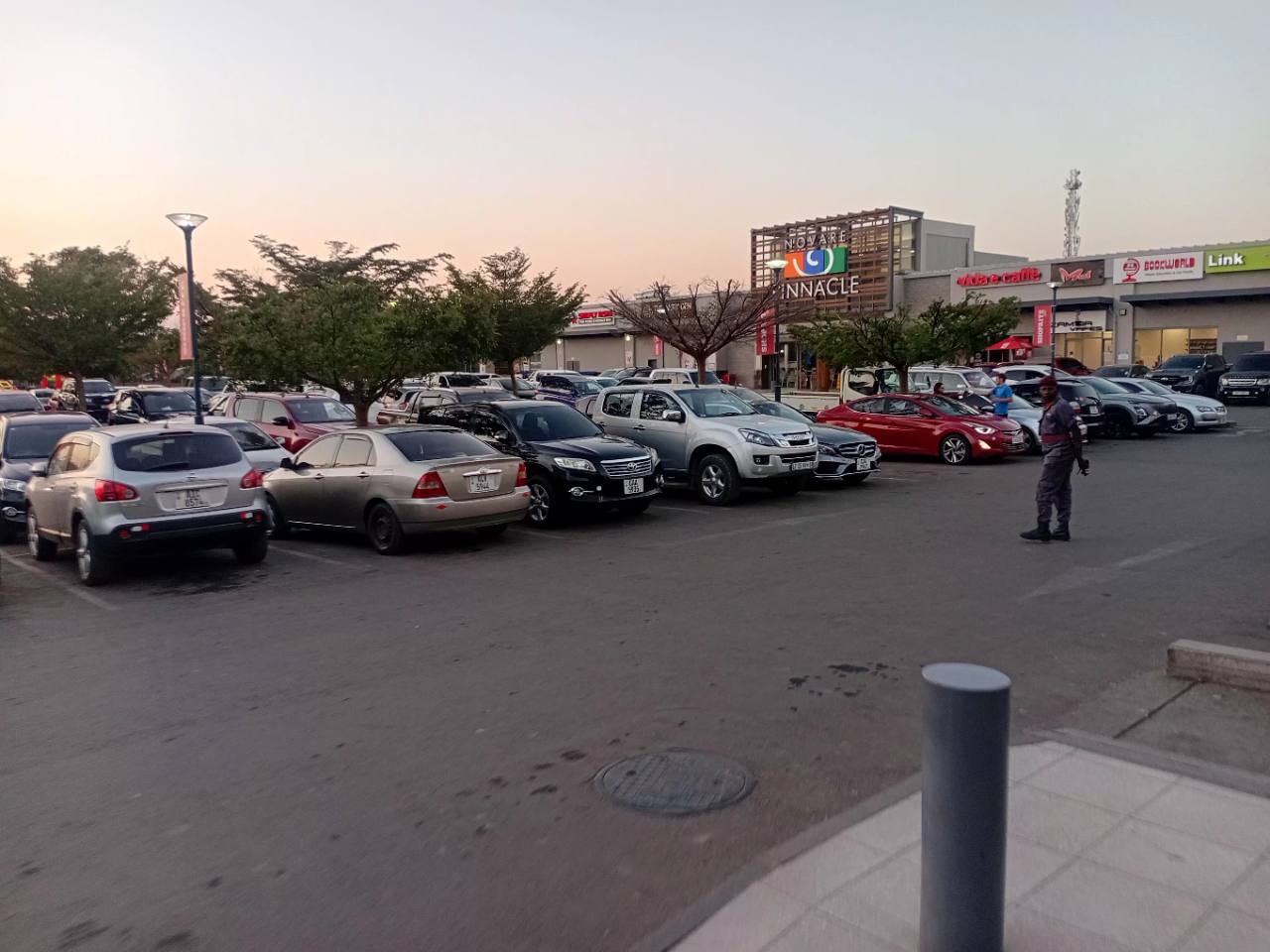
Novare Pinnacle’s official information describes the centre as a 9,500-square-metre mall with about 40 commercial outlets and 380 parking bays. It is located at the corner of Chindo and Mutende Roads, serving the Woodlands and Kabulonga area.
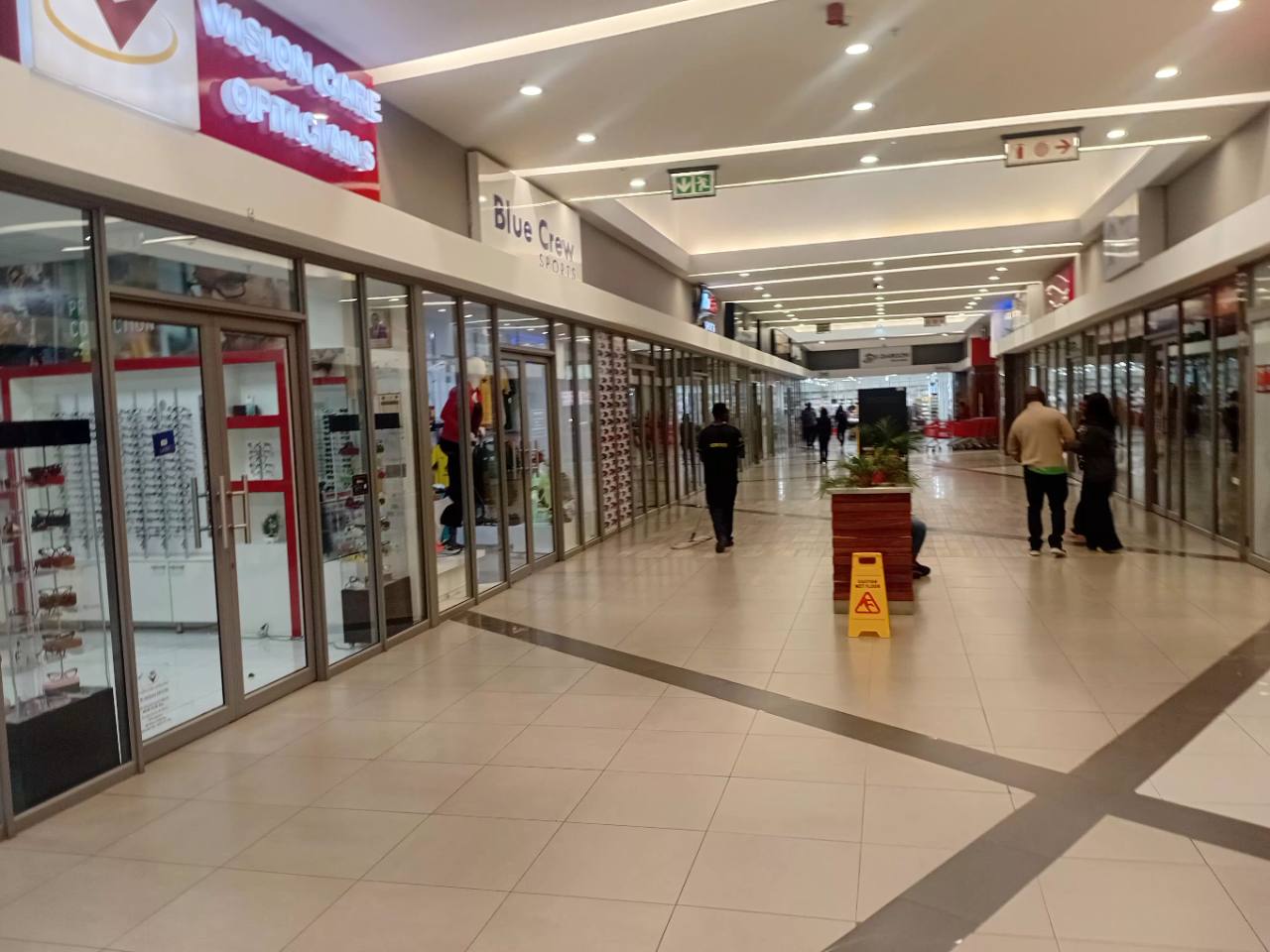
Inside, the pattern was more measured. Shoppers were visible in the corridors, but movement appeared less concentrated than in the parking area and at the supermarket entrance. This contrast matters because a busy property does not necessarily mean that foot traffic is distributed evenly among all tenants.
Shoprite Select anchors visible activity
The strongest concentration of visible activity was around Shoprite Select. Customers moved through the entrance while shopping trolleys were assembled nearby, reinforcing the supermarket’s role as the centre’s anchor tenant.
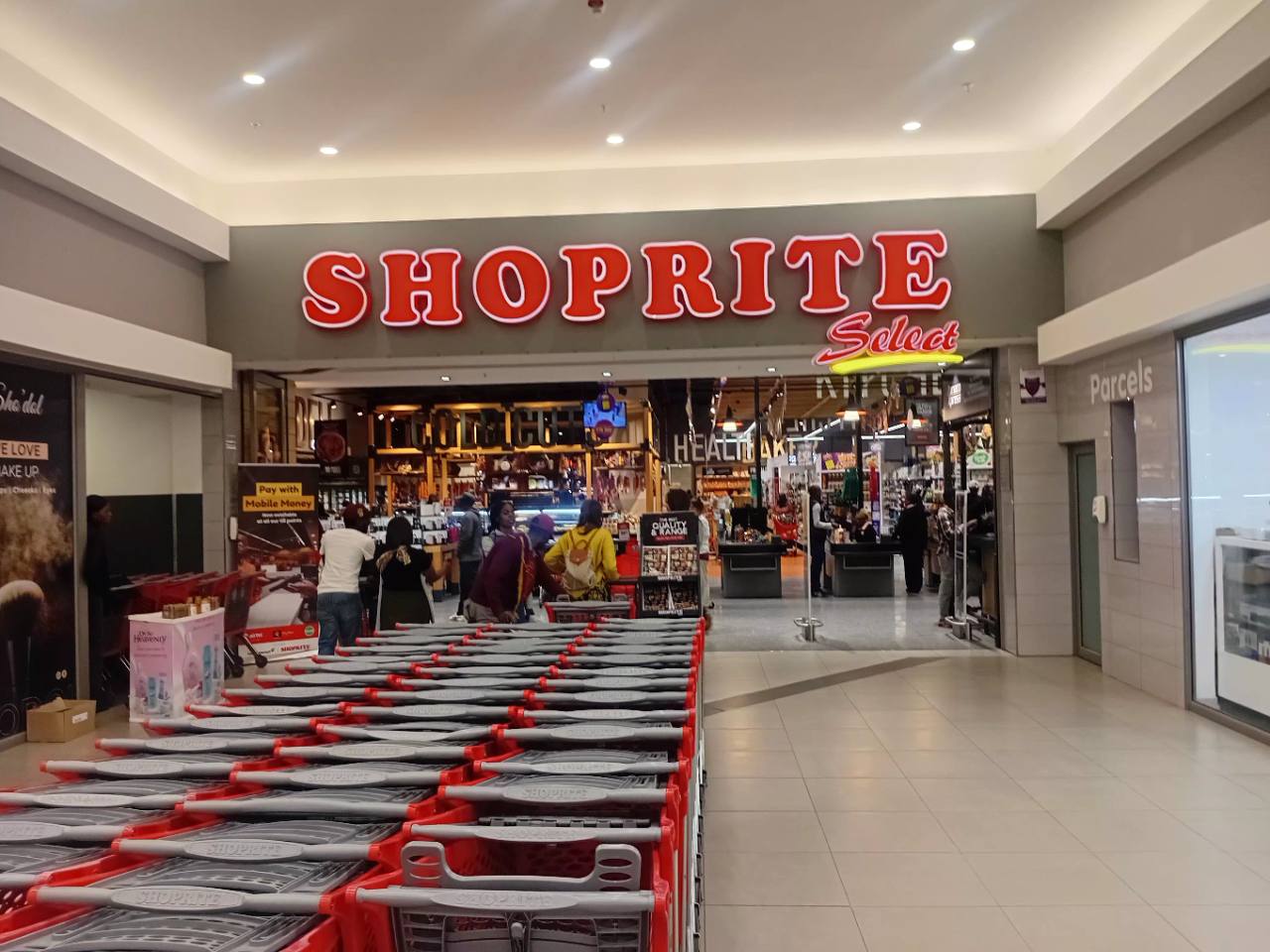
Anchor tenants are important because they give households a primary reason to visit a shopping centre. Smaller retailers, restaurants and service providers can benefit when supermarket customers also purchase other goods, eat at nearby outlets or use services during the same trip.
That spillover is possible, but it should be measured rather than assumed. Some shoppers may visit only the supermarket and leave, while others may combine groceries with dining, homeware, pharmacy, banking or personal services.
What a corridor camera can’t tell you
A quiet stretch of corridor doesn’t mean a quiet till u2014 it might just mean people had already made their one stop at Shoprite and gone home. The photographs show where people stood at one moment; they say nothing about how much they spent, whether the shop next door caught any of that traffic, or how the evening compared with an ordinary Sunday.
Why anchor-led foot traffic matters
Pinnacle Mall represents the neighbourhood-centre model of urban retail. It serves nearby residential areas and brings groceries, restaurants, homeware, clothing, optical services and other activities into one location.
For households, this reduces the number of separate journeys needed to purchase goods and services. For businesses, the value lies in access to a shared customer base, parking facilities, security and the visibility created by a recognised anchor tenant.
The commercial challenge is conversion. Retailers away from the busiest entrance must turn general mall visits into store visits and purchases. Storefront visibility, promotions, operating hours, customer service and coordination with neighbouring tenants can all influence whether anchor-generated traffic becomes wider centre activity.
An evening snapshot from Woodlands
The Pinnacle visit adds another location to The Zambian Economist’s field reporting on Lusaka’s retail economy. Earlier in the day, the Analyst documented heavy vehicle activity at East Park Mall after visiting the Agricultural and Commercial Show.
The contrast between the centres is useful. East Park presented a larger, highly active retail environment linked to nearby event traffic. Pinnacle offered a neighbourhood-focused picture in which the supermarket appeared to be the clearest activity centre.

Both scenes show that visible movement is only the beginning of economic analysis. The stronger question is how effectively visitor traffic converts into sales across large and small businesses.
All photographs were taken by The Zambian Economist Analyst at Novare Pinnacle Mall in Woodlands, Lusaka, on 2 August 2026.
Grow with The Zambian Economist
Put your organisation, opportunity or expertise in front of Zambia’s business and policy audience:
- List your company in our business directory.
- Advertise with us and reach decision-makers, investors and entrepreneurs.
- Discover business events or submit your event for listing.
- Become a contributor by submitting an original article.