
Morning breaks over the capital, and the city gets moving one street at a time.

The sky over Lusaka turns from deep grey to soft orange well before most households have switched on the kettle, and by then the capital is already at work. Minibuses queue at the ranks. Vendors lay out tomatoes, rape and onions along the roadside stalls. Security guards hand over to the day shift outside the office blocks on Cairo Road.

Lusaka does not wake up all at once. It wakes up in layers. First the market traders and the cleaners, then the taxi and minibus drivers, then the office workers filing past the banks on Cairo Road, and finally the shops rolling up their shutters closer to eight. By the time the sun is fully up, a large part of the informal economy that keeps many Lusaka households running has already been open for business for hours, much like the young vendors we met recently at Desire in Nyumba Yanga.
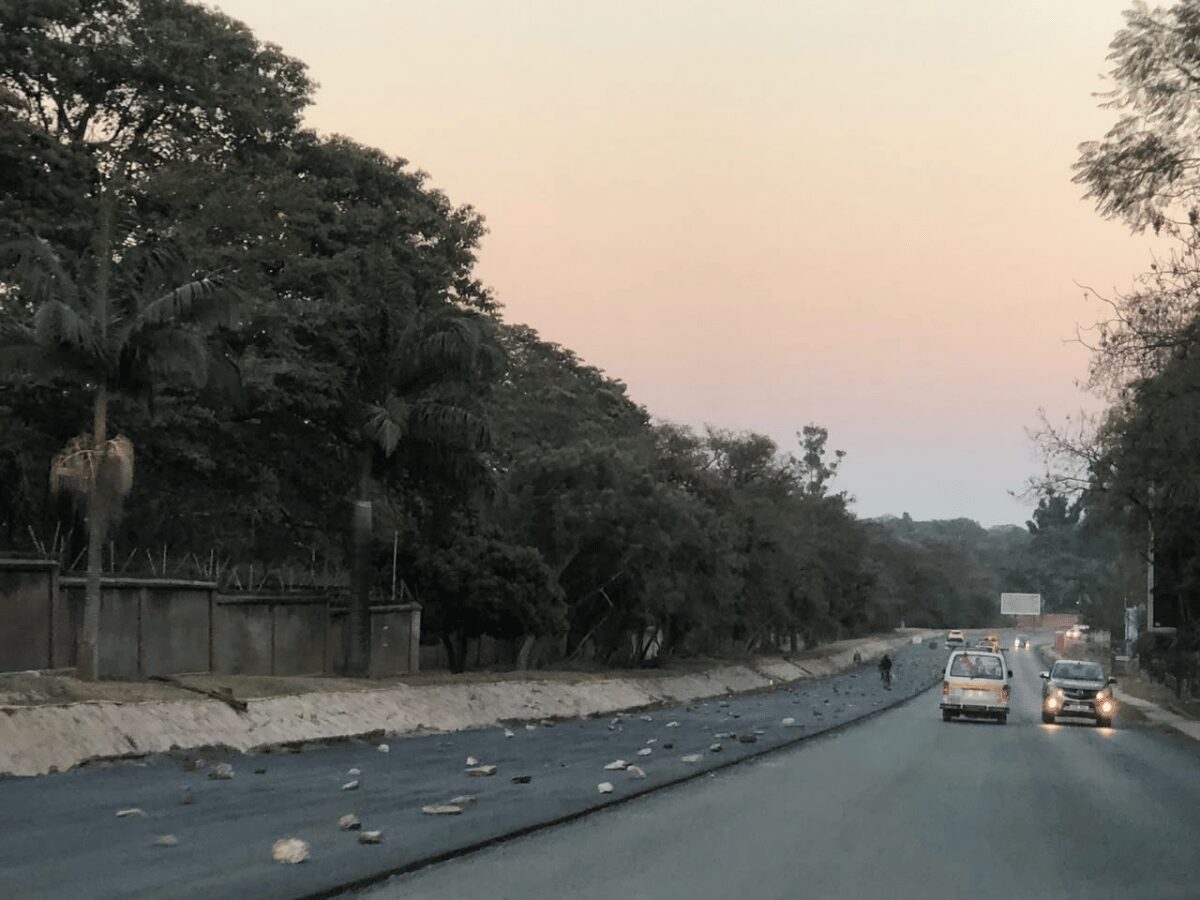
None of this shows up in a national accounts table by lunchtime, but it adds up all the same. A plate of chips sold to a commuter, a top-up card sold to a driver stuck at the roundabout, a seat sold on a minibus before it even leaves the rank. It is the quiet arithmetic of a city that starts working long before the rest of the day catches up with it.
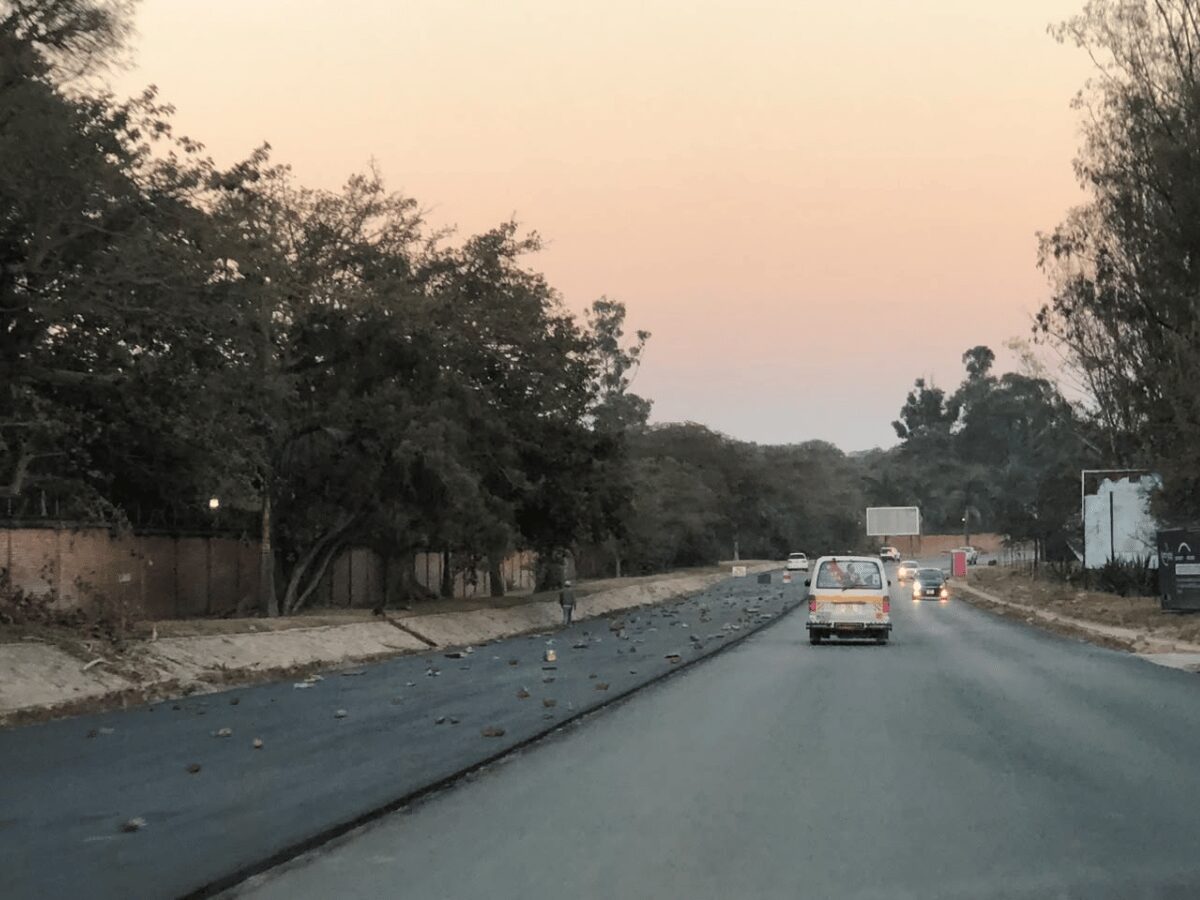
We wish our readers, our advertisers and our growing directory of businesses a productive day ahead. Rise and shine, Lusaka.
By Zambian Economist Analyst. Photos by The Zambian Economist Analyst.