Inflation has returned to the Bank of Zambia’s 6-8 per cent target range, offering a rare measure of macroeconomic relief. Yet for households and businesses, lower inflation is not the same thing as lower prices, and the next test will be whether a steadier kwacha, cheaper financing and a better harvest can outweigh fuel and growth risks.
Zambia’s annual inflation rate eased to 6.6 per cent in May 2026, according to the Bank of Zambia’s latest inflation indicators. Food inflation stood at 6.9 per cent and non-food inflation at 6.1 per cent. Days earlier, the central bank reduced its Monetary Policy Rate by 25 basis points to 13.25 per cent, citing a favourable maize harvest outlook and relative stability in the kwacha.
The figures matter because they mark a return to the central bank’s target range after a period in which drought, food costs and currency pressure made price stability feel remote. They do not, however, settle the more important public question: when will the improvement be felt at the till, in loan repayments and in the cost of running a small business?
What the latest numbers say
| Indicator | Latest reading | Why it matters |
|---|---|---|
| Annual inflation | 6.6% in May 2026 | Back within the Bank of Zambia’s 6-8% target range. |
| Food inflation | 6.9% in May 2026 | Food remains central to household purchasing power. |
| Policy rate | 13.25% | A cautious cut may gradually reduce financing costs. |
| 2026 growth outlook | 4.3% (IMF staff projection) | Lower inflation is arriving alongside a more subdued growth outlook. |
Lower inflation means that prices are rising more slowly than before; it does not mean that the prices of mealie meal, transport, rent or school supplies have returned to earlier levels. That distinction is crucial. After a long period of rapid increases, families are still budgeting from a much higher base. The first benefit of disinflation is therefore often predictability, not immediate affordability.
The kwacha and the harvest are doing much of the work
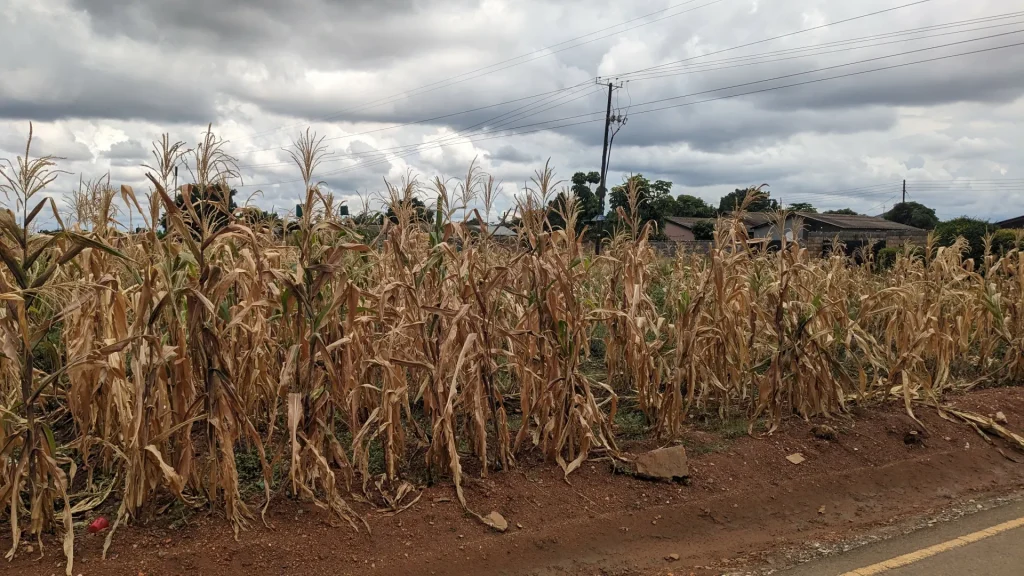
The Bank of Zambia has linked the improved outlook to the expected maize harvest and relative exchange-rate stability. A stronger currency can reduce the kwacha cost of imported fuel, fertiliser, medicines, machinery and other traded goods. Better agricultural output can also ease pressure on food prices, which carry significant weight in household budgets.
These gains are real, but they are not automatic. A business that imported stock when the kwacha was weaker may still be selling inventory priced at the old exchange rate. Landlords, transport operators and manufacturers also face costs that adjust at different speeds. Competition, stock cycles and contracts determine how quickly a macroeconomic improvement becomes a lower price or a better margin.
For a practical example of how exchange-rate gains can take time to reach consumers, see A Strong Kwacha and the Price of Medicine: Why It Is Not Reaching You.
Why the relief could still be fragile
The International Monetary Fund’s May staff statement offered a useful warning against complacency. It said inflation had fallen to 6.8 per cent in April, supported by kwacha appreciation and moderating food prices, but projected inflation at 8.5 per cent by the end of 2026 as higher fuel prices partly offset those gains.
The same statement revised Zambia’s 2026 growth projection down to 4.3 per cent, pointing to weaker mining output, the normalisation of agricultural production after an exceptional 2025 harvest, softer trade activity, energy constraints and spillovers from conflict in the Middle East. In other words, the economy may be becoming more stable at the same time as growth becomes harder to generate.
That combination matters. Slower inflation helps purchasing power, but weak output growth can limit hiring, wage growth and investment. Zambia’s policymakers must therefore protect the inflation gains without allowing high borrowing costs, energy shortages or policy uncertainty to choke productive activity.
What businesses should watch
For importers, retailers and manufacturers, a more stable kwacha improves planning. It can make it easier to price contracts, manage inventories and calculate the viability of new equipment. For small and medium-sized enterprises, however, the transmission from a policy-rate cut to a cheaper loan is usually slow. Banks must still price credit against risk, liquidity and their own funding costs.
Businesses should treat the current environment as an opportunity to strengthen cash-flow discipline rather than as proof that costs have permanently fallen. The sensible priorities are to review currency exposure, avoid overstocking at outdated exchange-rate assumptions, and secure reliable energy arrangements where possible.
What investors and policymakers should watch
For investors, the central question remains whether macroeconomic stabilisation can be translated into durable export earnings, reliable power and higher productivity. Mining remains pivotal because copper receipts influence foreign-exchange availability and the direction of the kwacha. Agriculture and energy investment are equally important because they determine whether Zambia can reduce the vulnerability that turns weather or fuel shocks into broad inflation.
For policymakers, the task is not simply to celebrate a lower inflation number. It is to preserve confidence in the currency, maintain fiscal discipline, expand energy supply and keep the recovery broad enough to create jobs. The World Bank has argued that the electricity crisis can become a catalyst for growth and employment if investment and private-sector participation are sustained. That is the larger prize behind today’s more encouraging price data.
Investors can also read Zambia’s Markets Before the Vote: What LuSE and the Eurobond Show for market signals ahead of the election, while our Doing Business in Zambia guide provides a broader view of the operating environment.
Zambia has regained room to breathe: inflation is back in target, the policy rate has fallen modestly and the kwacha has been more stable. But household relief will be gradual, not instantaneous. The most credible test of the recovery will be whether stable prices are followed by dependable electricity, stronger private investment and incomes that rise faster than the cost of living.
This is an analysis article based on the latest publicly available official and multilateral data cited below.
Related analysis
- Zambia’s 7.7% GDP Growth: Why It Doesn’t Feel Like It
- A Strong Kwacha and the Price of Medicine: Why It Is Not Reaching You
- Zambia’s Markets Before the Vote: What LuSE and the Eurobond Show
- Doing Business in Zambia
Sources
- Bank of Zambia: Inflation indicators
- Bank of Zambia: Monetary Policy Rate
- Bank of Zambia: May 2026 Monetary Policy Committee Statement
- IMF: Staff concludes visit to Zambia, May 2026
- World Bank: Zambia Economic Update
For a companion analysis of why a stronger headline economy may still feel distant from household budgets, read Zambia’s 7.7% GDP Growth: Why It Doesn’t Feel Like It.
For a full side-by-side of both campaigns, see our analysis comparing Hichilema’s record with Mundubile’s Tonse Alliance platform.