Zambia’s copper ambition should be judged by the businesses it builds and the livelihoods it supports. Kelvin Chisanga sets out six priorities for turning mining expansion into lasting domestic growth.
Key takeaways
- Zambia’s official strategy targets three million tonnes of annual copper production by 2031. That is an ambition, not an achieved output level.
- Local-content implementation must help Zambian suppliers win contracts and develop the capacity to deliver them.
- Viable downstream manufacturing needs dependable power, skills and buyers, alongside any investment incentives.
- Mining success should be measured through jobs, domestic value added and public accountability as well as production.
Zambia’s mining expansion will deliver broader prosperity only if it strengthens local businesses, creates productive jobs and supports industries beyond mineral extraction. Production targets and investment announcements matter, but they cannot establish on their own how much value stays in the country.
The Ministry of Mines and Mineral Development’s copper strategy sets a target of three million tonnes a year by 2031. Reaching it requires coordination between mines, electricity suppliers, manufacturers and training institutions. Turning that output into lasting economic transformation requires the same coordination to work for domestic enterprises.
The policy test is practical: can a Zambian engineering firm expand, can an apprentice secure useful technical skills, and can a mining town build businesses that survive the next downturn?
Make local content deliver business capacity
Zambia is not starting without a framework. The ministry’s Local Content Assessment System procurement guide describes phased local-content thresholds for core procurement, reserved non-core activities and quarterly procurement summaries. The challenge is to translate compliance into a stronger domestic supplier base.
Transparent procurement opportunities should be matched with supplier-development programmes and financing that capable Zambian-owned businesses can access. A contract is of limited use to a workshop that cannot finance materials or meet a mine’s technical standards.
Mining companies should communicate their requirements early enough for suppliers to prepare. Banks and development-finance institutions can assess financing against credible purchase orders and delivery capacity, while recognising that a contract does not remove repayment risk.
Public performance reports should distinguish purchases routed through a locally registered intermediary from work that develops production and skills inside Zambia. Both can involve legitimate businesses, but their contribution to domestic industrial capacity is different.
Choose value addition that can compete
Value addition needs a commercial case. Copper processing and downstream manufacturing should be assessed against electricity costs, technical capability, logistics and demand in Zambia and regional markets.
Targeted incentives can help viable projects overcome initial costs. They should have clear conditions, review dates and measurable outcomes. Support should reward investment delivered and productive capacity created, rather than remain available indefinitely after an announcement.
The objective is to build firms that can compete after an incentive ends. Expensive production sustained only by permanent concessions would transfer the cost elsewhere in the economy without necessarily creating a durable industry.
Plan mining expansion alongside reliable electricity
A new mine or processing plant needs electricity at the point of use, when it is needed. Generation capacity alone does not settle whether transmission infrastructure can deliver a dependable supply.
ZESCO’s published project programme identifies transmission reinforcement intended to increase power transfer to the Copperbelt and growing mining loads in North-Western Province. It illustrates why mining and power investment must be planned together. A project listing should not be mistaken for completed infrastructure.
Investment decisions should therefore consider generation, network capacity and a diversified supply mix together. The same infrastructure should, where feasible, improve conditions for surrounding businesses that supply mines or manufacture other products.
Measure skills and technology transfer
Training commitments should be judged by what people can do afterwards. Partnerships between mining companies, universities and technical colleges should specify apprenticeship places, completed qualifications and the technical responsibilities transferred to Zambian workers.
Attendance at a course is a starting point. The more useful measures are whether participants complete it, secure employment or progress into skilled roles. Supplier-development programmes should also build the ability to maintain equipment and meet quality standards locally.
Make mining performance easier to scrutinise
Accessible reporting on mining revenues, procurement, employment, environmental compliance and community commitments would allow citizens to assess whether expansion is delivering its promised benefits.
The information should be comparable across reporting periods. Employment figures should distinguish permanent jobs from temporary construction work, and procurement reports should explain what their local-spending totals include. Community commitments should have budgets and completion dates that residents can check.
Accountability should also apply to public support. Where the state offers an incentive or provides infrastructure, it should explain the expected benefit and report whether it materialised.
Build economies that can outlast the mine
Mining-dependent towns need infrastructure and enterprise development that also serve agriculture, manufacturing and services. A road, technical college or dependable power connection can support several industries if its design looks beyond one operation.
For local businesses, the opportunity is to develop capabilities that can serve more than one mine or sector. For investors, a deeper supplier base and skilled workforce can improve operating resilience. For policymakers, the task is to connect those gains without treating every proposed project as commercially viable.
Zambia should judge its mining revolution by jobs created, domestic industries developed, productivity increased and wealth retained locally. Three million tonnes is a production target. The lasting achievement would be a more capable and diversified economy built around it.
This is a contributed opinion article. The policy recommendations are Kelvin Chisanga’s; the linked official sources provide background on Zambia’s production strategy, procurement framework and electricity planning.
Explore our Agriculture & Mining coverage. Related reading: Zambia’s local-content rules for miners and the electricity expansion agenda.
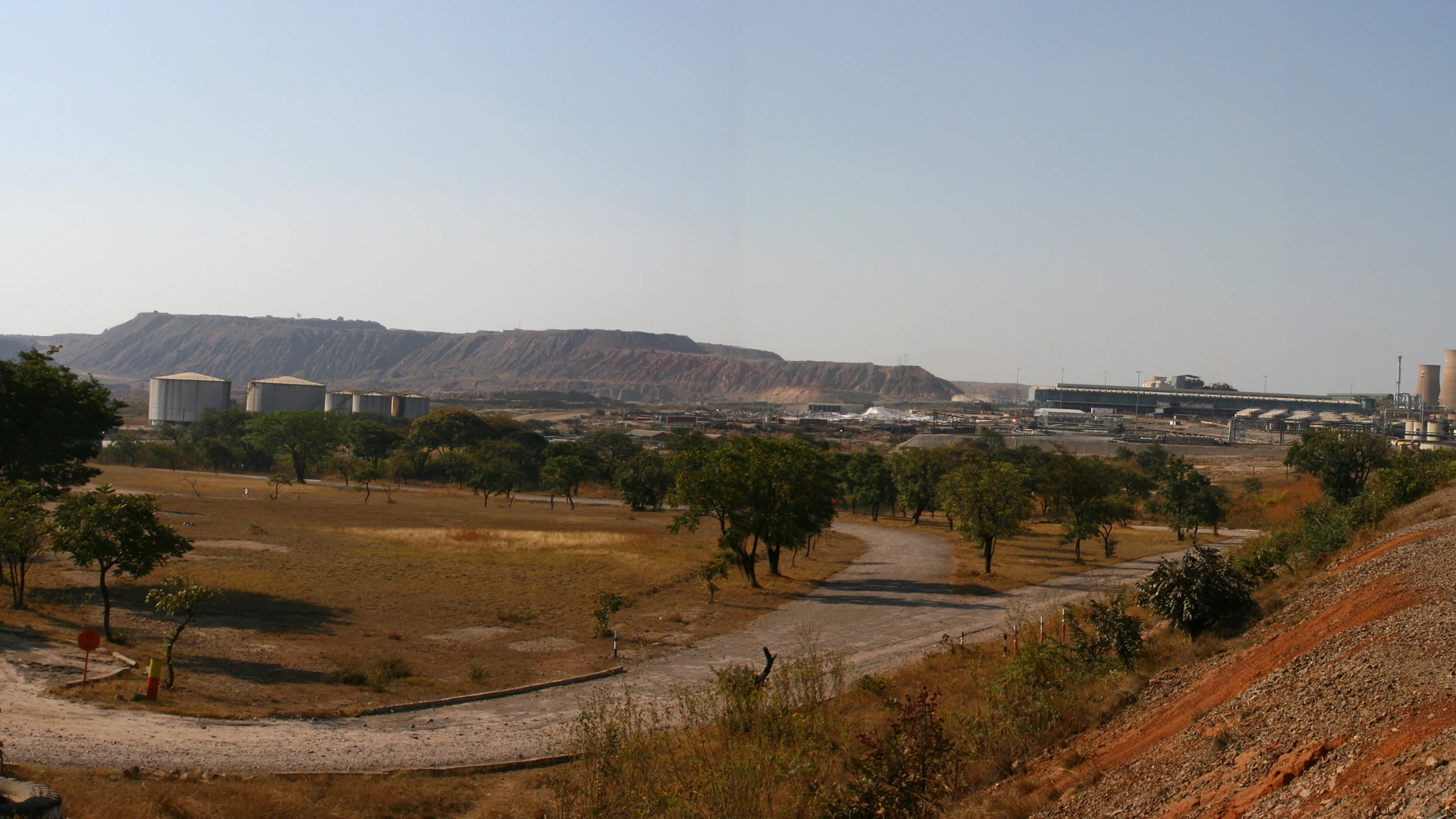
Featured photograph: Nchanga copper mine near Chingola, 1 June 2008. BlueSalo / Wikimedia Commons, cropped and resized. The photograph remains licensed under CC BY-SA 3.0; the notice below applies to the article text.
WARNING! All rights reserved. This material and all other digital content on this website may not be reproduced, published, broadcast, rewritten, or redistributed, in whole or in part, without the prior express permission of The Zambian Economist. Where permission is granted, the content must be clearly credited to “The Zambian Economist,” with “www.zambianeconomist.com” prominently displayed.
WhatsApp: +260775574228 | Email: info@zambianeconomist.com
© 2026 The Zambian Economist.