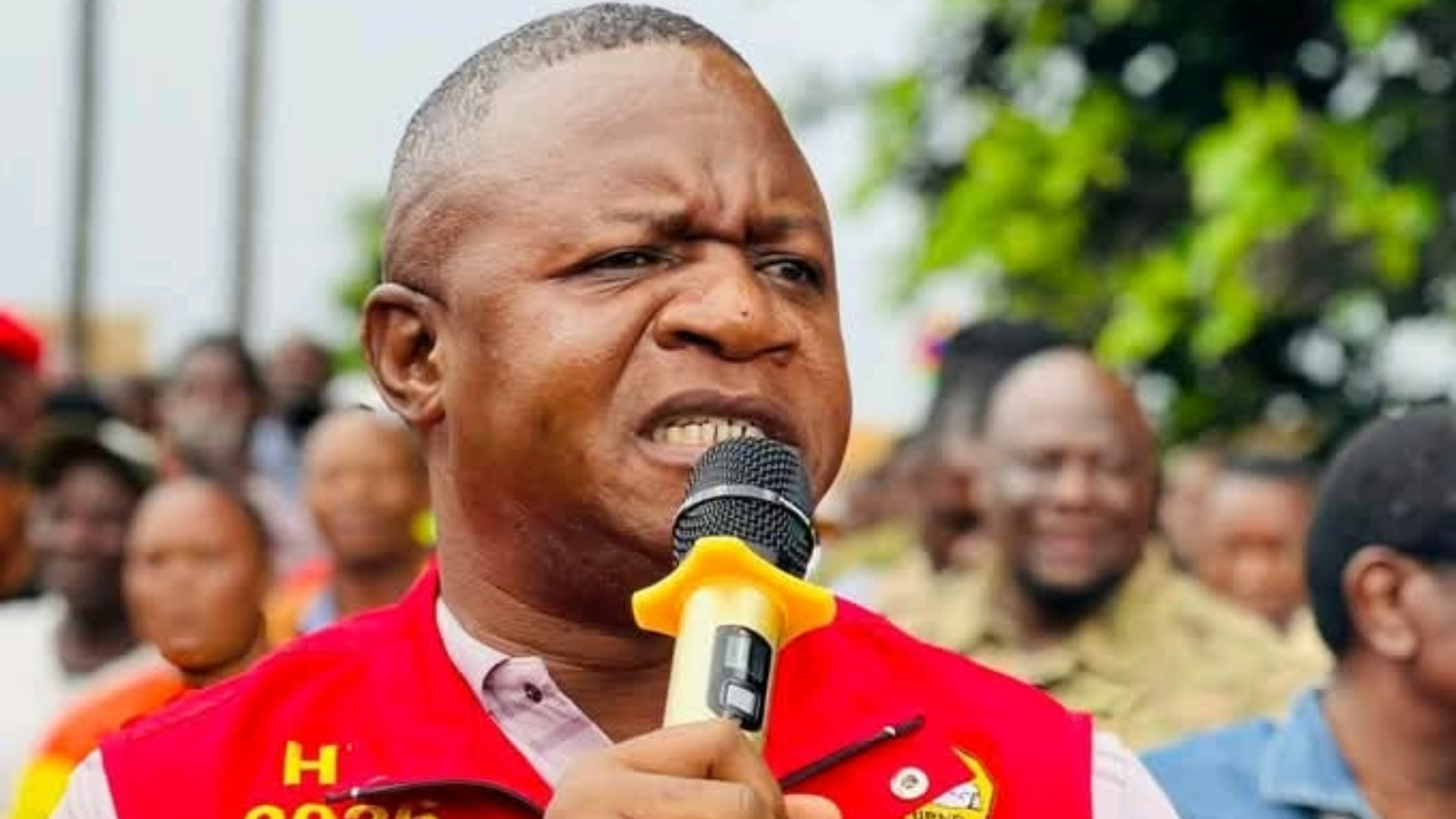
Deputy Spokesperson Elvis Nkandu says opposition parties have adopted UPND programmes rather than proposing new ones, and blames persistent high prices on business pricing behaviour rather than the state of the economy.
By Zambian Economist Analyst | August 7, 2026
UPND Deputy Spokesperson Elvis Nkandu has confirmed that opposition political parties exist in Zambia, while arguing that none of them has put forward policies distinct from those already being implemented by the UPND government.
Speaking on Phoenix FM’s Let the People Talk programme, Mr Nkandu pushed back on the increasingly common claim that ordinary Zambians, rather than registered political parties, form the country’s real opposition. He said that framing does not hold up because the public has no single leader speaking on its behalf, and that the electorate’s constitutional role is to choose a government, not to act as one.
The “biggest opposition” debate
The idea that Zambians themselves are the country’s most effective check on government has become a recurring line in political commentary, often invoked when formal opposition parties are seen as struggling to gain traction. Mr Nkandu’s rejection of that framing puts him at odds with that narrative, and shifts the argument back onto the performance of registered opposition parties rather than public sentiment.
Policy continuity, not policy alternatives
Mr Nkandu’s central claim is one of continuity rather than contest. He said opposition parties have largely adopted and promised to extend programmes the UPND administration introduced, citing free education and the social cash transfer scheme as examples. In his view, that pattern means the opposition’s role has effectively narrowed to offering commentary on government initiatives rather than presenting a distinct policy agenda, and he suggested opposition parties would serve the country better through advisory engagement with government than through electoral contest.
That is a notable position for a governing party spokesperson to take publicly less than a month from the polls, since it frames the opposition’s function in advisory rather than competitive terms. Opposition parties would likely dispute the characterisation, and voters will ultimately judge policy platforms for themselves at the ballot box. It also follows a wider pattern this campaign season, as explored in our analysis of the two-horse race between Hichilema and Mundubile.
On the cost of living
Mr Nkandu also addressed the persistence of high commodity prices, attributing it to businesses maintaining elevated prices despite improvements in headline economic indicators. That argument separates macroeconomic performance from what households actually pay at the till, a distinction The Zambian Economist has tracked through the year, including Zambia’s extreme poverty rate near 48% and unemployment holding at 10.3% even as other indicators have strengthened.
Business and investor implications
For businesses, the government’s framing signals continued political attention on pricing behaviour, which could translate into closer scrutiny or public pressure on sectors seen as slow to pass on macroeconomic gains to consumers. For investors, the exchange is a reminder that Zambia’s cost-of-living debate is likely to remain a live political issue through the election period, regardless of which party is in government afterward. See also our analysis of what a second Hichilema term would mean for the economy.
Public implications
For voters, the exchange sharpens a question likely to recur through the campaign: whether opposition parties are offering genuinely different economic direction, or refinements of an existing one. How opposition parties respond, and whether it shifts public perception of the “real opposition” debate, is likely to be tested repeatedly over the coming weeks. The tone of that contest matters too, as we noted when State House raised concerns over derogatory campaign language.
Related: Mundubile’s BBC interview puts his economic vision on the international stage.
Read more: Former MMD Chairman Stan Kristafor Endorses Hichilema Ahead of 2026 Polls.