
Key takeaways
- President Hichilema’s re-election hands Zambia a platform of policy continuity, and financial markets had already priced in confidence before the declaration.
- A stronger kwacha, rising bond valuations and firm copper prices reflect progress since the 2020 default: debt restructuring, fiscal stabilisation and restored credibility.
- The second term’s task differs from the first’s. The first restored stability; the second must convert it into inclusive growth.
- The September Budget is the first test, on fiscal discipline, debt sustainability, domestic borrowing and the credibility of spending plans.
- The binding constraint is inclusion: without better incomes, affordable food, reliable electricity and jobs, macroeconomic gains mean little to ordinary Zambians.
President Hichilema’s re-election provides Zambia with an important platform of policy continuity.
The post-election period is already reverberating with positive developments, with business activity returning to some sense of normalisation. Financial markets had signalled growing confidence even before the vote, through a stronger kwacha, rising bond valuations and robust copper prices.
That reflects the progress made since the 2020 default, particularly debt restructuring, fiscal stabilisation and improved macroeconomic credibility.
From stabilisation to growth
The second term, however, presents a different economic challenge. The first term was largely about stabilisation and restoring confidence. The second must be about converting stability into inclusive growth. What the new government inherits is stronger on paper than at any point since the default; the task is to make that strength felt beyond the paper.
The September Budget is the first test
The September Budget will therefore be critical. Investors will watch fiscal discipline, debt sustainability, domestic borrowing and the credibility of expenditure plans. The fiscal decisions waiting on the winner’s desk, which we set out here, do not wait long: the budget calendar is the first deadline of the new term.
Where the investment must go
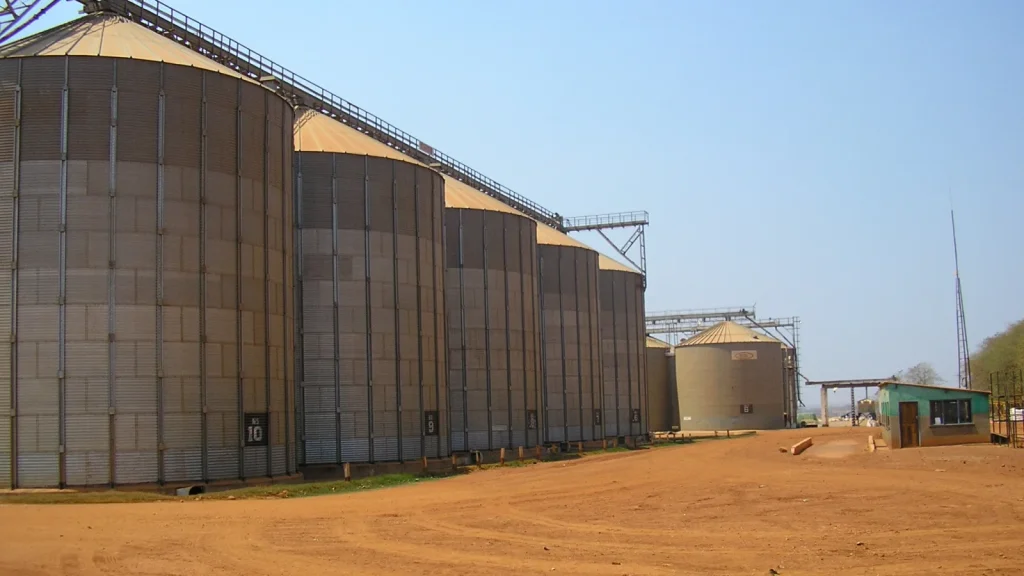
At the same time, Zambia must accelerate investment in mining, energy, agriculture and manufacturing. The 3-million-tonne copper ambition and the 10-million-tonne maize target can become transformational if they generate local processing, jobs, exports and stronger domestic value chains. Targets alone have never fed a household; the processing and the payrolls attached to them will.
The greatest test is inclusion
Ultimately, the greatest test is inclusion. A stronger kwacha, lower inflation and higher copper production mean little if ordinary Zambians do not experience better incomes, affordable food, reliable electricity and employment. The gap between headline growth and household experience, which we examined here, is the distance this term must close.
Zambia has moved from crisis management to economic credibility. The second term must now move from credibility to delivery.
Related coverage
- Hichilema’s Second Term Must Turn Economic Stability Into Shared Prosperity
- Zambia’s Post-Election Rally Is Economically Sound
- The First 100 Days: Five Fiscal Decisions Waiting for Whoever Wins
- What the Next Government Inherits: Zambia’s Economic Position on 14 August 2026
WARNING! All rights reserved. This material and all other digital content on this website may not be reproduced, published, broadcast, rewritten, or redistributed, in whole or in part, without the prior express permission of The Zambian Economist. Where permission is granted, the content must be clearly credited to “The Zambian Economist,” with “www.zambianeconomist.com” prominently displayed.
WhatsApp: +260775574228 | Email: info@zambianeconomist.com
© 2026 The Zambian Economist.